Innovative Drones Transform Battlefield Medical Evacuations
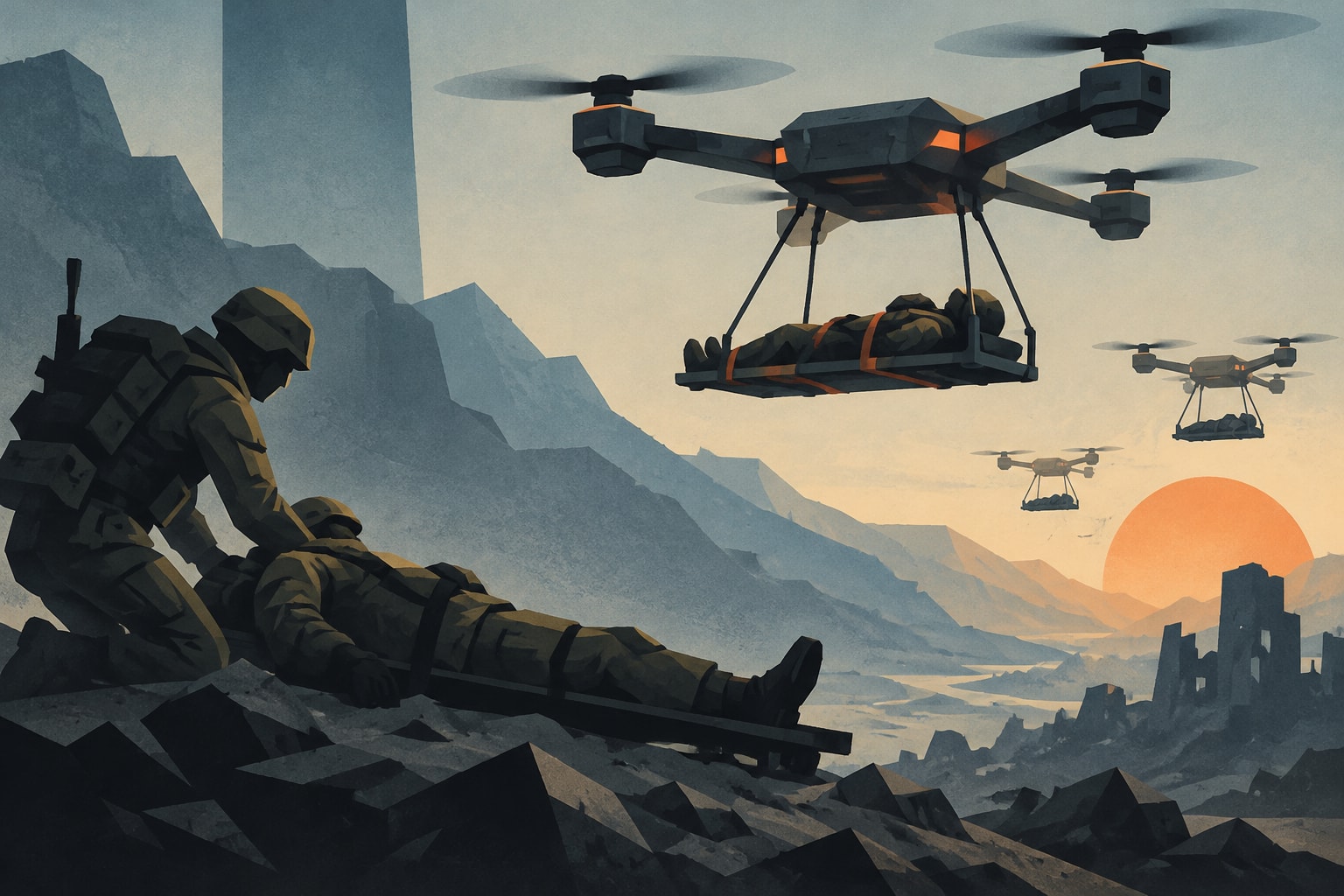
As Ukraine leads in drone evacuation technology, DARPA's AI robots aim to enhance battlefield medical response.
What's Happening
- •Ukrainian innovators are developing drones for frontline medical evacuations.
- •DARPA is working on AI-assisted robots designed to locate and assess injured personnel.
- •The competition to create lifesaving drone technology is intensifying.
Why It Matters
The integration of drone technology into battlefield medical evacuations represents a significant evolution in military operations. For service members, these advancements could mean quicker access to medical care, ultimately saving lives and improving recovery outcomes.
What Changes Now
- •Innovations in drone technology will lead to the adoption of new medical evacuation protocols. This will require training for medics on how to work alongside drones and AI-assisted robots effectively.
- •The development of AI-assisted robots may alter the roles of combat medics on the battlefield. Medics will need to adapt to using these technologies to enhance their capabilities in emergency situations.
- •Increased funding for drone technology will likely result in more resources allocated to military medical training programs. This will ensure that personnel are prepared to utilize these advancements in real-world scenarios.
What to Watch
- •The upcoming military exercises scheduled for 2027 will likely feature the latest drone technologies. Observing these exercises will provide insights into how effectively these innovations are integrated into operations.
- •Military leadership will make funding decisions for drone and AI technologies in the next fiscal year. The outcomes of these decisions will determine the pace of innovation and deployment in the field.
- •Future reports from DARPA will detail the progress of AI-assisted robots in medical scenarios. Keeping an eye on these developments will be crucial for understanding their impact on battlefield medicine.
Get the Daily Briefing
Military and veteran news that actually affects you, in your inbox each morning.
More Context
- •The Role of Drones in Modern Warfare: Drones have become a pivotal element in modern military operations, particularly in medical evacuations. The ability to rapidly transport injured soldiers from the battlefield can significantly increase survival rates. In Ukraine, innovators have been at the forefront of developing drones specifically for this purpose, demonstrating their effectiveness in real combat scenarios. This advancement not only aids in immediate medical response but also showcases the potential for drones to change traditional military logistics.
- •DARPA's AI-Assisted Robots: The Defense Advanced Research Projects Agency (DARPA) is investing in the future of battlefield medicine through the development of AI-assisted robots. These robots are designed to autonomously locate injured troops and assess their medical needs, potentially reducing the time it takes for medical personnel to reach them. By integrating artificial intelligence, DARPA aims to enhance the efficiency and effectiveness of battlefield medical responses, which is crucial in high-stakes environments.
- •Implications for Service Members: The advancements in drone technology and AI-assisted medical robots have significant implications for service members across various ranks and specialties. Active-duty personnel, particularly those in combat roles, could benefit from faster medical evacuations and improved survival rates. Additionally, this technology may influence training protocols for medics and combat lifesavers, as they adapt to new tools that could assist in their life-saving missions on the battlefield.
- •Future Developments to Monitor: As the race for lifesaving drone technology continues, several key developments are on the horizon. The upcoming military exercises in 2027 will likely showcase these new technologies in action, providing insights into their operational effectiveness. Furthermore, decisions regarding funding and deployment of these technologies will be made by military leadership in the next fiscal year, which could shape the future of battlefield medicine.
Frequently Asked Questions
How will drone technology affect my role as a medic?
Drone technology will enhance your role by providing faster evacuation options and potentially reducing the time you spend in high-risk areas.
Will I receive training on new drone technologies?
Yes, as these technologies are adopted, training programs will be developed to ensure you are proficient in using drones and AI-assisted tools.
What are the implications for my deployment if drones are used?
The use of drones may change the dynamics of your deployment, allowing for quicker medical responses and potentially altering mission planning.
The Daily Briefing
Military & veteran news that actually affects you — delivered every morning.
- Pay, benefits & policy changes
- Pentagon decisions that matter
- VA updates for veterans & families
- One email. No spam. Unsubscribe anytime.
Related Stories
- China’s Fourth Aircraft Carrier Nears Completion, Raising Security Concerns— Military Times
- Innovative Battlefield Drones Aim to Save Lives on the Frontlines— Military Times
- Marine Corps Doubles and Extends Contract for M27 Rifles— Military Times
- Innovations in Drone Technology: What Military Personnel Need to Know— Navy Times