A-10 Retirement Raises Questions About Combat Search and Rescue
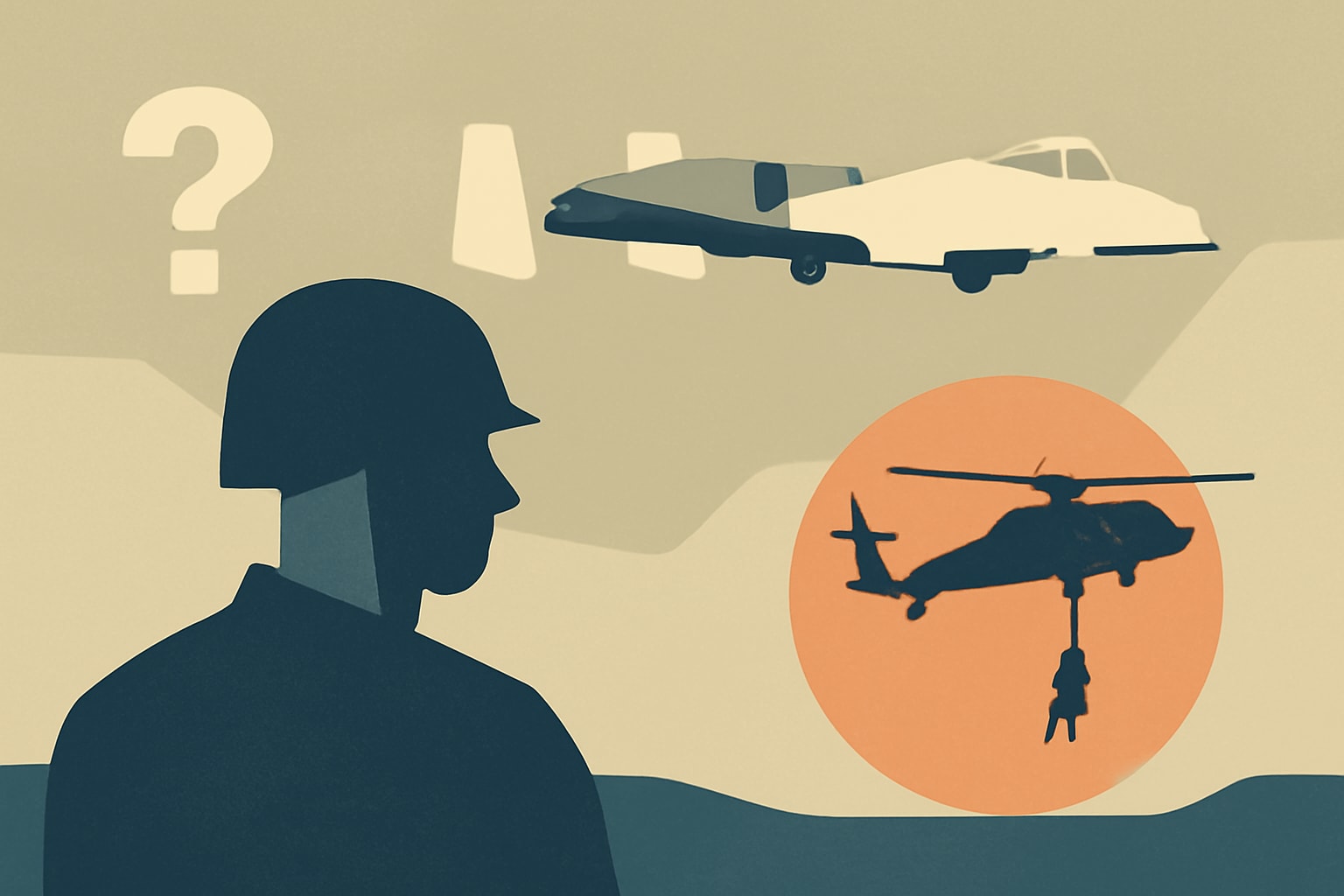
The Air Force's move to retire the A-10 Warthog raises concerns about the future of combat search and rescue operations.
What's Happening
- •The U.S. Air Force is planning to retire the A-10 Thunderbolt II.
- •The A-10 has been a critical asset for combat search and rescue operations for decades.
- •Transition to other aircraft for CSAR responsibilities is underway.
Why It Matters
The retirement of the A-10 Thunderbolt II poses significant implications for combat search and rescue operations in the U.S. Air Force. Service members who rely on these missions for safety and survival may face increased risks if adequate replacements are not effectively implemented.
What Changes Now
- •The Air Force is transitioning CSAR responsibilities to other aircraft platforms. This shift will require new training and tactics to ensure effective rescue operations.
- •Increased scrutiny will be placed on the effectiveness of new CSAR strategies. Evaluations will determine how well replacement aircraft can perform in high-threat environments.
- •The Air Force is investing in advanced technologies to support CSAR missions. These efforts aim to mitigate the loss of the A-10's unique capabilities.
What to Watch
- •Monitor the Air Force's progress in developing new CSAR tactics and technologies. This will be crucial in assessing the effectiveness of replacement aircraft in real-world scenarios.
- •Upcoming exercises and deployments will test the capabilities of new aircraft in CSAR roles. These events will provide insights into how well the Air Force can adapt to the loss of the A-10.
- •Watch for announcements regarding investments in UAVs for CSAR support. The integration of these technologies may redefine how rescue operations are conducted.
Get the Daily Briefing
Military and veteran news that actually affects you, in your inbox each morning.
More Context
- •The Role of the A-10 in Combat Search and Rescue: The A-10 Thunderbolt II, commonly known as the Warthog, has been a cornerstone of U.S. Air Force combat search and rescue (CSAR) operations. Its unique design allows it to loiter over target areas, providing close air support and effectively rescuing downed airmen in hostile environments. Equipped with a powerful 30mm GAU-8 Avenger cannon, the A-10 can deliver precise firepower against armored vehicles and enemy forces, making it an invaluable asset for rescue missions. Its ability to sustain damage and continue operating in contested airspace has been critical for the safety of personnel on the ground.
- •Transitioning to New Aircraft: As the Air Force phases out the A-10, it plans to transition CSAR responsibilities to a mix of other aircraft, including the F-35 and F-16. However, there are significant concerns regarding whether these newer platforms can match the A-10's capabilities. The F-35, while technologically advanced, is more costly to operate and may not provide the same level of survivability in high-threat scenarios. Meanwhile, the F-16 lacks the loiter time and firepower that made the A-10 so effective in CSAR operations. This transition raises questions about the Air Force's ability to maintain effective rescue operations in the future.
- •Challenges and Criticisms of the A-10 Retirement: Critics of the A-10 retirement argue that no other aircraft can fully replicate its role in CSAR missions. The A-10's slow speed and high maneuverability allowed pilots to visually identify and engage targets with precision, minimizing the risk of collateral damage. The debate surrounding the A-10's retirement underscores the challenges the Air Force faces in modernizing its fleet while ensuring critical capabilities are preserved. As the service moves forward, it must carefully evaluate the implications of losing such a specialized platform and develop effective strategies to replace its unique functions.
- •Future of Combat Search and Rescue Operations: To address the potential gaps in CSAR capabilities following the A-10's retirement, the Air Force is exploring various alternatives. This includes investing in advanced sensors and targeting systems for other aircraft, enhancing coordination between air and ground forces, and developing new tactics for CSAR missions. There is also interest in utilizing unmanned aerial vehicles (UAVs) for persistent surveillance and reconnaissance to support rescue operations. The effectiveness of these new strategies will be critical in ensuring that the Air Force can continue to protect its personnel in high-risk situations.
Veteran Take
For those who've served, the A-10 has always been more than just a plane; it's been a lifeline in dangerous situations. The decision to retire such a critical asset raises serious concerns about how we will protect our troops in the field. Veterans navigating this transition will undoubtedly worry about the effectiveness of whatever replaces the Warthog, especially when lives depend on reliable air support during rescue operations.
The Daily Briefing
Military & veteran news that actually affects you — delivered every morning.
- Pay, benefits & policy changes
- Pentagon decisions that matter
- VA updates for veterans & families
- One email. No spam. Unsubscribe anytime.
Related Stories
- Army to Launch Project Gatekeeper to Speed Up Software Approvals— Federal News Network
- Pentagon Seeks $50 Billion for Mass Drone Production— Military Times
- Agencies Must Integrate Smart Identity Cards for Post-Quantum Cryptography— Federal News Network
- US Army Corps of Engineers Faces Questions Over Decline in Environmental Mitigation Work— Military Times