Air Force to Deploy 1,000 Autonomous Drones by 2032
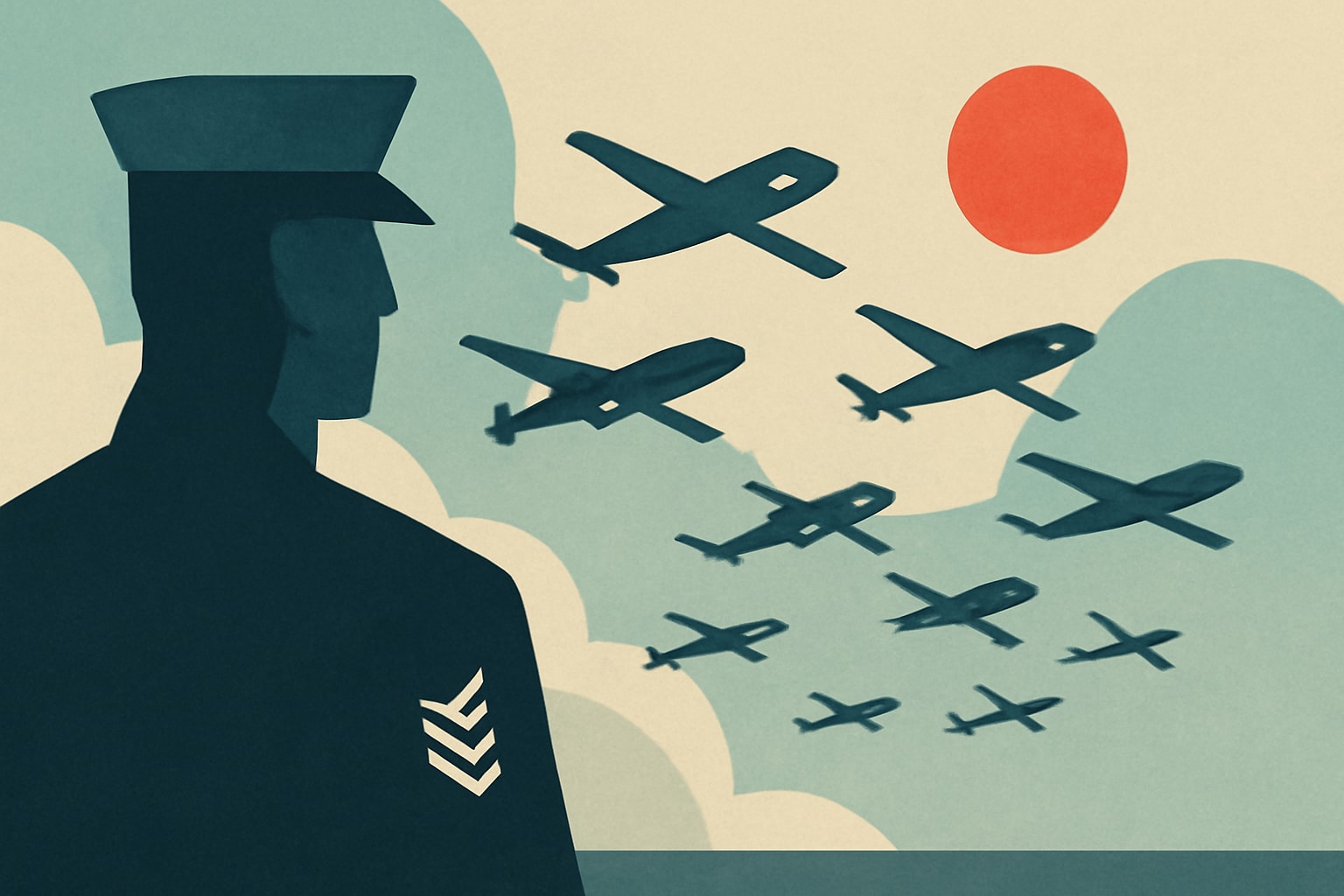
The Air Force is accelerating the development of Collaborative Combat Aircraft, aiming for a fleet of 1,000 by 2032.
What's Happening
- •The Air Force plans to deploy at least 1,000 Collaborative Combat Aircraft (CCAs) by 2032.
- •This initiative marks a significant shift towards autonomous drone warfare capabilities.
- •The focus on CCAs has gained momentum in recent discussions about the future of military operations.
Why It Matters
The Air Force's commitment to deploying 1,000 CCAs underscores a significant evolution in military strategy, emphasizing the importance of technology in modern warfare. For service members and veterans, understanding these changes is crucial as they may impact career paths, training requirements, and the overall landscape of military operations.
What Changes Now
- •The Air Force is accelerating the development and deployment of CCAs. This means pilots and support staff will need to adapt to new technologies and operational protocols in the coming years.
- •Training programs will evolve to incorporate the integration of CCAs into existing operations. Personnel will need to stay updated on the latest developments and training requirements as these systems become operational.
- •Budget allocations may shift to prioritize the development of autonomous systems. This could affect funding for other military programs and initiatives, impacting service members across various branches.
What to Watch
- •The timeline for the first operational deployment of CCAs is set for 2032. Monitoring announcements from the Air Force will provide insights into progress and potential adjustments to this timeline.
- •Upcoming training programs will be developed to prepare personnel for working with CCAs. It is essential to watch for announcements regarding new training requirements and opportunities.
- •Future budget proposals from the Department of Defense will likely reflect the prioritization of autonomous systems. Keeping an eye on these proposals will help service members understand potential impacts on their roles and responsibilities.
Get the Daily Briefing
Military and veteran news that actually affects you, in your inbox each morning.
More Context
- •The Rise of Collaborative Combat Aircraft: For years, the concept of Collaborative Combat Aircraft (CCAs) was viewed as a distant possibility rather than an immediate reality. However, recent announcements from the Air Force indicate a shift in this perception, with plans to integrate at least 1,000 of these autonomous drones into their operational framework by 2032. This development aligns with ongoing efforts to enhance operational efficiency and reduce the risk to human pilots in combat scenarios. The CCAs are expected to operate alongside manned aircraft, providing support and enhancing mission capabilities.
- •Implications for Service Members: The introduction of CCAs will have significant implications for various ranks and specialties within the Air Force. Active duty pilots, particularly those in the 11X career field (Pilot), may see changes in their operational roles as these drones take on more combat responsibilities. Additionally, support personnel in maintenance and logistics will need to adapt to new technologies and operational protocols associated with these unmanned systems. Training programs will likely evolve to incorporate the integration of CCAs, requiring all involved personnel to stay updated on the latest developments.
- •What This Means for Future Military Operations: The shift towards autonomous drones represents a broader trend in military strategy aimed at leveraging technology to enhance combat effectiveness. For military families and veterans, this change may lead to new job opportunities in defense contracting and technology sectors as the demand for expertise in drone operations and maintenance increases. Furthermore, as the Air Force invests in these technologies, it may influence budget allocations and priorities within the Department of Defense, affecting various military programs and initiatives.
Frequently Asked Questions
Will my job change if I work with drones?
Yes, if you are in a role that interacts with aircraft, you may need to adapt to new technologies and training related to CCAs.
What is the timeline for the rollout of these drones?
The Air Force plans to have at least 1,000 CCAs operational by 2032, with ongoing developments leading up to that date.
How will this affect military spending?
The introduction of CCAs may shift budget priorities within the Department of Defense, potentially impacting funding for other military programs.
The Daily Briefing
Military & veteran news that actually affects you — delivered every morning.
- Pay, benefits & policy changes
- Pentagon decisions that matter
- VA updates for veterans & families
- One email. No spam. Unsubscribe anytime.
Related Stories
- Boeing Awarded $20 Billion Contract for Navy's F/A-XX Fighter— Air & Space Forces Magazine
- Pentagon Awards $20.7B Contract for AMRAAM Missiles to RTX— Air & Space Forces Magazine
- Air Force's Collaborative Combat Aircraft to Debut in December Exercise— Air & Space Forces Magazine
- Air Force Establishes New Career Field to Counter Drone Threats— Task & Purpose