BAE Systems Delivers Two AMPV 30 Prototypes to the Army
The Army receives two AMPV 30 prototypes from BAE Systems, funded internally, despite no formal request from the service.
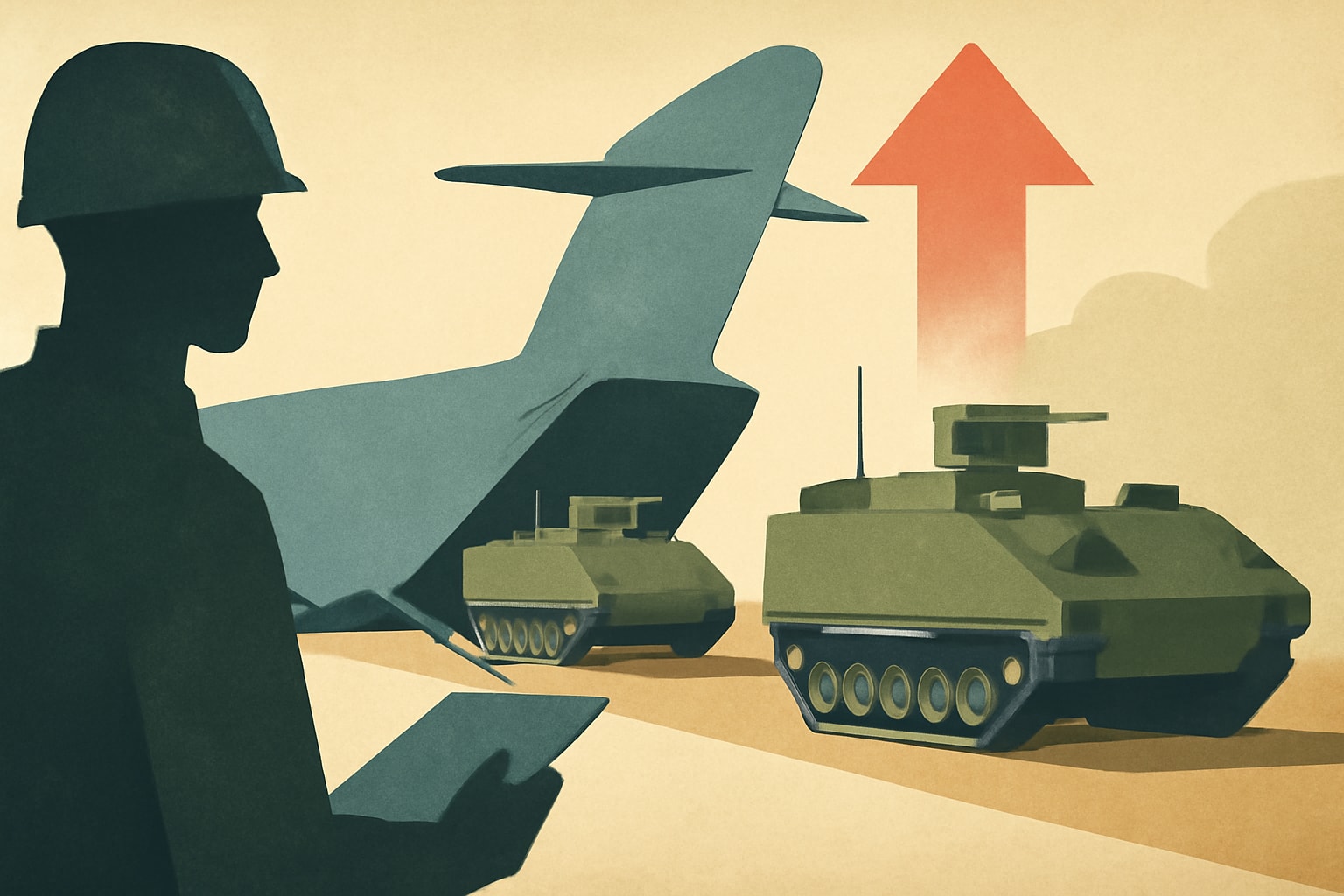
What's Happening
- •BAE Systems has delivered two AMPV 30 prototypes to the U.S. Army.
- •The prototypes were developed using internal funding by BAE Systems.
- •This project was not formally requested by the Army.
- •The AMPV 30 is designed to evolve with changing battlefield needs.
- •This delivery demonstrates BAE's commitment to advancing military vehicle technology.
Why It Matters
The delivery of the AMPV 30 prototypes by BAE Systems signifies a proactive approach to military vehicle development, which is essential for maintaining operational readiness. For service members, particularly those in combat roles, advancements in vehicle technology can directly impact mission success and personal safety on the battlefield.
What Changes Now
- •The Army will begin evaluating the AMPV 30 prototypes for potential integration into their fleet. This evaluation will involve feedback from active-duty soldiers and may influence future vehicle procurement strategies.
- •BAE Systems' internal funding approach allows for quicker development cycles. This means that other innovative technologies may also emerge without the lengthy formal request process.
- •The introduction of the AMPV 30 may lead to changes in training protocols for soldiers. As new capabilities are integrated, training programs will need to adapt to ensure soldiers are proficient in operating these advanced vehicles.
What to Watch
- •Upcoming evaluations of the AMPV 30 prototypes will be crucial for determining their future use. The Army is expected to release findings within the next six months, which will inform subsequent procurement decisions.
- •Monitoring BAE Systems' announcements regarding further developments in military vehicle technology will be important. As they continue to innovate, new prototypes may emerge that could affect operational capabilities.
- •The Army's budget discussions in the coming fiscal year will likely address funding for new vehicle technologies. Decisions made during these discussions could impact the timeline for deploying the AMPV 30 and similar vehicles.
Get the Daily Briefing
Military and veteran news that actually affects you, in your inbox each morning.
More Context
- •Overview of the AMPV 30 Prototypes: The AMPV 30 prototypes represent a significant advancement in military vehicle technology. Built on a proven combat vehicle platform, these prototypes are designed to adapt to evolving battlefield requirements without necessitating a complete redesign. This adaptability is crucial as the nature of warfare continues to change, influenced by new technologies and tactics. The development of these vehicles underscores BAE Systems' commitment to innovation and responsiveness to military needs.
- •Impact on Army Operations: The delivery of the AMPV 30 prototypes could enhance operational capabilities for various Army units. Specifically, combat arms soldiers, including those in the 11B Infantry and 19D Cavalry MOS, may benefit from improved vehicle technology that supports their missions. The prototypes are designed to integrate new capabilities, which means units can expect to operate with enhanced efficiency and effectiveness in future engagements. This evolution in vehicle technology could ultimately lead to better mission outcomes and increased safety for service members.
- •Funding and Development Context: BAE Systems funded the development of the AMPV 30 prototypes internally, indicating a strategic investment in military technology. This approach allows for greater flexibility in responding to military needs without waiting for formal requests or appropriations from the Army. The decision to proceed without a formal request suggests confidence in the potential impact of these prototypes on future Army operations. As military budgets continue to face scrutiny, such internal funding initiatives may become more common in the defense sector.
- •What to Expect Moving Forward: As the Army evaluates the AMPV 30 prototypes, service members should monitor any announcements regarding further testing and potential integration into operational units. The timeline for these evaluations will be crucial, as feedback from soldiers in the field will shape future iterations of the vehicle. Additionally, the Army's decision-making process regarding procurement and deployment of these prototypes will be closely watched by defense analysts and military personnel alike. Staying informed about these developments can provide insights into the future of military vehicle capabilities.
Frequently Asked Questions
Will the AMPV 30 be available for all Army units?
The availability of the AMPV 30 will depend on the evaluation results and the Army's procurement decisions following testing.
How does the AMPV 30 differ from existing vehicles?
The AMPV 30 is designed to evolve with battlefield needs, integrating new capabilities without requiring a complete redesign.
What should soldiers know about the AMPV 30 testing process?
Soldiers should stay informed about the evaluation timeline and provide feedback if they have the opportunity to test the vehicle.
The Daily Briefing
Military & veteran news that actually affects you — delivered every morning.
- Pay, benefits & policy changes
- Pentagon decisions that matter
- VA updates for veterans & families
- One email. No spam. Unsubscribe anytime.
Related Stories
- Navy Expands Online Marketplace for Sea Drones and Vendors— DefenseScoop
- U.S. Air Force Showcases Military Might During Xi Jinping's Visit to D.C.— Air & Space Forces Magazine
- Experts Advocate for Affordable Munitions to Bolster USAF in Taiwan Conflict— Air & Space Forces Magazine
- Space Force Seeks Service Members to Expand Its Ranks— Federal News Network