Air Force Plans to Introduce Autonomous Cargo Drones for Logistics
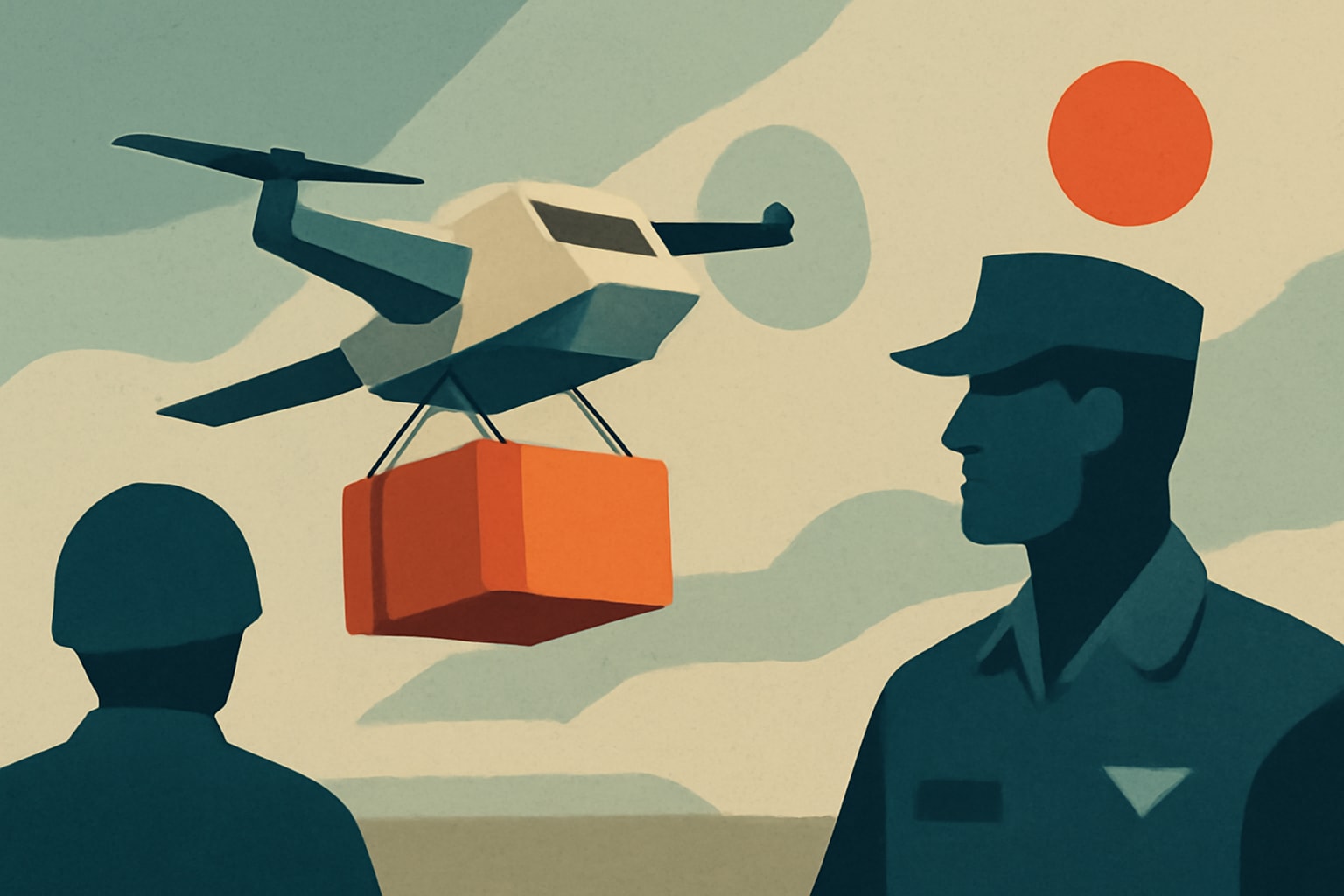
The Air Force is exploring the use of cargo drones to address logistical challenges as it expands its drone capabilities.
What's Happening
- •The Air Force is planning to field 1,000 semi-autonomous drones for various missions.
- •Several companies are proposing cargo drones to tackle logistical issues faced by the service.
- •The initiative was highlighted at the recent Air, Space & Cyber conference.
Why It Matters
The Air Force's exploration of cargo drones is significant for military logistics, potentially transforming how supplies are delivered. For service members, understanding these advancements is crucial, as they may affect deployment strategies and operational efficiency.
What Changes Now
- •The Air Force is initiating plans to integrate cargo drones into its logistics operations. This change will streamline supply deliveries and improve efficiency for logistics personnel.
- •Several companies are currently pitching their cargo drone solutions to the Air Force. These proposals will be evaluated for their potential to address existing logistical challenges.
- •The Air Force aims to deploy 1,000 semi-autonomous drones in the coming years. This rollout will require training and adaptation for service members involved in logistics.
What to Watch
- •Upcoming trials for cargo drones are expected to begin within the next year. These trials will determine the operational capabilities and effectiveness of the proposed systems.
- •The Air Force will release detailed timelines for the deployment of these drones. Stakeholders should monitor announcements from the Air Force regarding budget allocations and project milestones.
- •Partnerships between the Air Force and private companies will shape the development of cargo drones. Keeping an eye on these collaborations will provide insight into future capabilities.
Get the Daily Briefing
Military and veteran news that actually affects you, in your inbox each morning.
More Context
- •The Shift Towards Autonomy in Military Logistics: The U.S. Air Force is making significant strides towards integrating autonomous systems into its operations, particularly in logistics. The introduction of cargo drones is seen as a strategic move to enhance efficiency and reduce the burden on human resources. These drones could potentially transport supplies and equipment to remote locations, significantly improving response times and operational readiness. With the increasing complexity of modern warfare, the ability to deploy autonomous cargo systems could revolutionize how the Air Force manages its supply chain.
- •Potential Benefits of Cargo Drones: Cargo drones offer numerous advantages, including reduced operational costs and increased safety for personnel. By automating supply deliveries, the Air Force can minimize the risk of exposing service members to hostile environments during logistics operations. Furthermore, these drones can operate in conditions that may be challenging for traditional vehicles, such as rough terrains or adverse weather. As the technology matures, the Air Force will likely explore various configurations and capabilities to maximize the effectiveness of these drones.
- •Who Will Be Impacted by These Changes?: Active-duty personnel, particularly those in logistics and supply chain roles, will see the most immediate impact from the introduction of cargo drones. This includes Air Force logistics officers (AFSC 21R) and enlisted airmen in supply management (AFSC 2G0X1). Additionally, Reserve Component members involved in logistics support may also experience changes in their operational procedures as these drones become integrated into standard practices. Understanding these shifts will be crucial for service members as they adapt to new technologies in their roles.
- •What to Expect Moving Forward: As the Air Force continues to develop its plans for autonomous cargo drones, service members should stay informed about upcoming trials and implementation phases. The Air Force is expected to release more detailed timelines for testing and deployment in the next year. Additionally, industry partnerships will play a critical role in shaping the capabilities of these drones, so monitoring collaborations between the Air Force and private companies will be essential. Stakeholders should also watch for updates on budget allocations for these projects, as funding decisions will impact the pace of development.
Frequently Asked Questions
Will cargo drones be used in combat zones?
Cargo drones are primarily intended for logistics support, but their deployment in combat zones may be considered based on operational needs.
How will this affect my job in logistics?
If you work in logistics, expect changes in procedures and possibly new training requirements as cargo drones are integrated into operations.
Are there any plans for training on these new drones?
Yes, the Air Force will develop training programs for personnel who will operate and manage cargo drones.
The Daily Briefing
Military & veteran news that actually affects you — delivered every morning.
- Pay, benefits & policy changes
- Pentagon decisions that matter
- VA updates for veterans & families
- One email. No spam. Unsubscribe anytime.
Related Stories
- Embedded AI Agents Accelerate Defense Technology Adoption— DefenseScoop
- Northrop Grumman's Talon Blue Aircraft Completes First Flight— Air & Space Forces Magazine
- Space Development Agency to Launch 21 Data Transport Satellites Next Week— Air & Space Forces Magazine
- Space Force Report Urges Adoption of Laser Communications to Avoid Data Bottlenecks— Air & Space Forces Magazine