F-35C Completes First Launch and Recovery Trials on USS John F. Kennedy
The F-35C Lightning II has successfully completed its inaugural launch and recovery tests aboard the future USS John F. Kennedy.
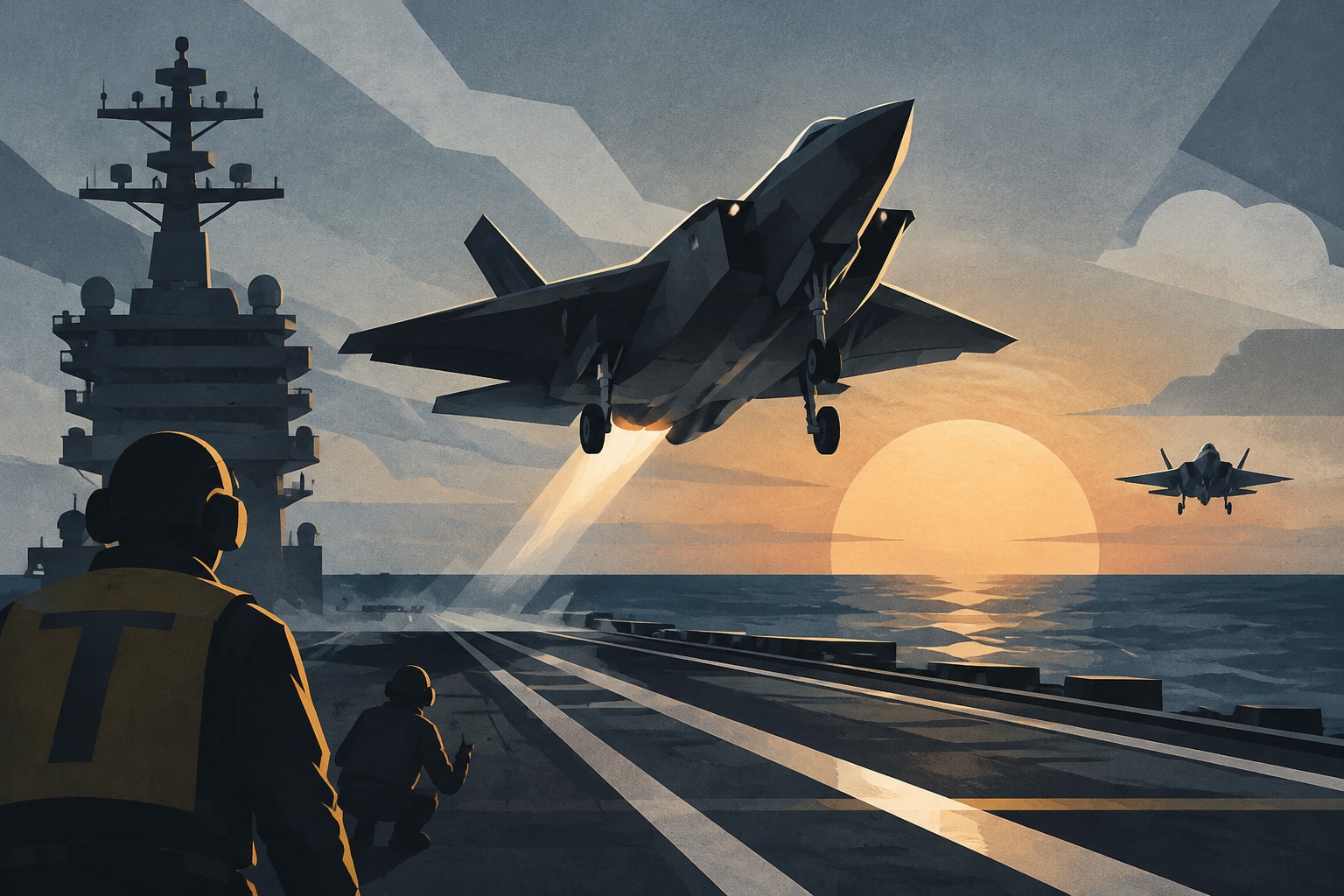
What's Happening
- •Two Navy F-35C Lightning II fighters have completed launch and recovery testing aboard the USS John F. Kennedy.
- •This marks the first time the F-35C has undergone such trials on a Ford-class carrier.
- •The tests are crucial for validating the aircraft's capabilities in naval operations.
Why It Matters
The successful testing of the F-35C on a Ford-class carrier is a pivotal moment for the Navy, enhancing its capabilities in modern warfare. For service members involved in naval aviation, this development signifies a transition to more advanced technologies that will shape future operations and training.
What Changes Now
- •The successful trials mean the F-35C will be integrated into future carrier operations. This integration will require updated training protocols for pilots and support crews to ensure they can operate the aircraft effectively.
- •With the F-35C's capabilities validated, the Navy will begin planning for its deployment aboard carriers. This planning includes logistics, maintenance, and operational readiness assessments to ensure seamless integration into fleet exercises.
- •The testing results will influence future procurement and upgrades for carrier-based aircraft. This could lead to increased funding and resources allocated to the F-35 program, impacting future naval aviation strategies.
What to Watch
- •Upcoming flight tests scheduled for early next year will further assess the F-35C's capabilities. These tests will focus on various operational scenarios to ensure readiness for deployment.
- •The Navy's evaluation of the F-35C's performance will be released in the coming months. This evaluation will provide insights into the aircraft's effectiveness and inform future operational decisions.
- •As the USS John F. Kennedy approaches its commissioning, watch for announcements regarding its operational deployment. The timeline for this deployment will be critical for the integration of the F-35C into active service.
Get the Daily Briefing
Military and veteran news that actually affects you, in your inbox each morning.
More Context
- •Significance of the F-35C Testing: The successful launch and recovery trials of the F-35C on the USS John F. Kennedy represent a significant milestone for the Navy's carrier aviation capabilities. This testing is critical as it validates the F-35C's performance and integration with the advanced systems of Ford-class carriers, which are designed to enhance operational flexibility and lethality. The F-35C, with its larger wings and tailhook, is specifically designed for carrier operations, making these trials essential for future deployments.
- •Impact on Naval Operations: The successful integration of the F-35C into carrier operations is expected to enhance the Navy's strike capabilities significantly. As the Navy transitions to more advanced aircraft, the F-35C will play a pivotal role in future combat scenarios, providing superior stealth and sensor capabilities. This shift not only affects tactical operations but also influences training programs for pilots and support personnel, ensuring they are equipped to handle the complexities of operating this advanced fighter.
- •Next Steps for the F-35C Program: Following these initial trials, the Navy plans to conduct further testing to refine operational procedures and enhance pilot training. These subsequent trials will focus on various flight profiles and recovery techniques to ensure the F-35C can operate effectively in diverse conditions. The timeline for these tests will be critical, as they will inform the Navy's readiness to deploy the F-35C in real-world scenarios, particularly as the USS John F. Kennedy is set to join the fleet in the coming years.
Frequently Asked Questions
Does this affect Guard members on Title 10 orders?
Yes, the F-35C's integration into carrier operations may involve Guard members who are activated for specific missions related to naval aviation.
Will my BAH change if I move duty stations mid-year?
Your Basic Allowance for Housing (BAH) may change based on the location of your new duty station, and you should check with your finance office for specific details.
The Daily Briefing
Military & veteran news that actually affects you — delivered every morning.
- Pay, benefits & policy changes
- Pentagon decisions that matter
- VA updates for veterans & families
- One email. No spam. Unsubscribe anytime.
Related Stories
- Man Accused of Stolen Valor in Scheme to Sell Counterfeit Military Optics— Task & Purpose
- ULA Launch Failure Raises Concerns for Space Force Operations— Air & Space Forces Magazine
- B-2 Pilots Share Insights on Operation Midnight Hammer— Air & Space Forces Magazine
- B-1B Lancer Pilots to Gain Extra Training Hours in Business Jets— Air & Space Forces Magazine