Army Implements AI Technology to Tackle Biological Threats
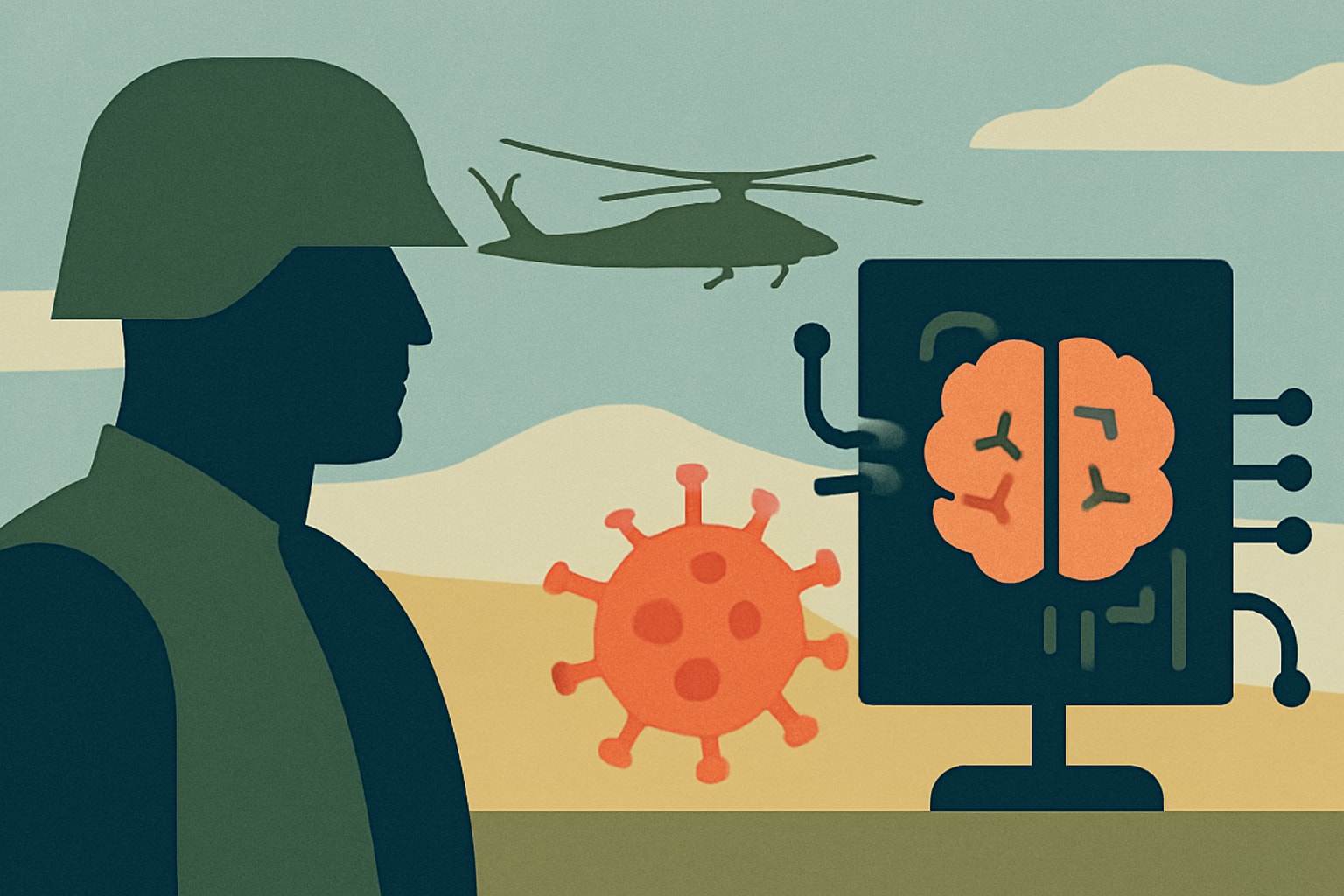
The Army is adopting artificial intelligence as part of its new strategy to combat biological threats.
What's Happening
- •The Army is integrating artificial intelligence into its biodefense strategy.
- •Senior military officials outlined the new approach in a recent briefing.
- •The initiative aims to enhance detection and response to biological threats.
Why It Matters
The integration of AI in biodefense represents a critical advancement in the Army's capabilities to address biological threats, which can have devastating consequences for both military and civilian populations. For veterans and military families, this development underscores the ongoing commitment to ensuring the safety and health of service members as well as the broader community.
What Changes Now
- •The Army will update training protocols for affected MOSs to include AI technologies. This change will ensure that service members are prepared to utilize AI tools in biodefense operations effectively.
- •New reporting procedures for biological threats will be established that incorporate AI analysis. This will enhance the speed and accuracy of threat detection, directly impacting operational readiness.
- •The Army will likely enhance its collaboration with civilian agencies on biodefense strategies. This partnership will help integrate military and civilian resources for a more comprehensive approach to biological threats.
What to Watch
- •The timeline for the rollout of AI training programs for relevant MOSs will be announced soon. This will provide clarity on when service members can expect to begin their training.
- •Updates from senior military officials regarding the effectiveness of AI in biodefense will be crucial. These updates will inform service members about the real-world applications of the technology.
- •The establishment of new protocols for reporting biological incidents will be forthcoming. This will be important for ensuring that all service members are aware of the new procedures.
Get the Daily Briefing
Military and veteran news that actually affects you, in your inbox each morning.
More Context
- •Overview of the New Biodefense Strategy: The Army's new biodefense strategy marks a significant shift towards utilizing artificial intelligence to enhance its capabilities in identifying and responding to biological threats. This strategy is part of a broader effort to modernize military operations and ensure that the Army remains prepared for a range of potential biological challenges, including pandemics and bioweapons. By leveraging AI, the Army aims to improve its situational awareness and response times, which are critical in mitigating the impact of biological incidents.
- •Implications for Service Members: The implementation of AI in biodefense will directly affect various ranks and roles within the Army, particularly those involved in medical and operational planning. Active duty soldiers, especially those in the 68W (Health Care Specialist) and 74D (Chemical, Biological, Radiological, and Nuclear Specialist) MOS, will need to adapt to new technologies and protocols as they become part of the Army's response framework. Training programs will likely evolve to incorporate AI tools, ensuring that service members are equipped to handle biological threats effectively.
- •Practical Changes and Next Steps: As the Army rolls out its AI biodefense strategy, service members can expect several immediate changes. First, there will be updates to training modules for relevant MOSs, ensuring personnel are familiar with new AI technologies. Second, the Army will likely establish new reporting protocols for biological incidents that integrate AI analysis, enhancing the accuracy and speed of threat detection. Service members should stay informed through official channels about these updates and participate in training sessions as they become available.
- •What to Watch Going Forward: Looking ahead, service members should monitor the timeline for the rollout of the AI biodefense strategy. Key milestones will include the completion of initial training programs and the integration of AI systems into existing biodefense frameworks. Additionally, updates from senior military officials will provide insights into the effectiveness of these technologies in real-world scenarios, which will be crucial for ongoing operational readiness.
Frequently Asked Questions
How will AI impact my training as a 68W?
AI will be integrated into training programs for 68Ws to enhance their skills in detecting and responding to biological threats.
Will this affect my deployment readiness?
Yes, the new AI biodefense strategy aims to improve overall deployment readiness by enhancing threat detection and response capabilities.
Are there new protocols for reporting biological threats?
Yes, new reporting procedures will be established that utilize AI analysis to improve the accuracy and speed of threat detection.
The Daily Briefing
Military & veteran news that actually affects you — delivered every morning.
- Pay, benefits & policy changes
- Pentagon decisions that matter
- VA updates for veterans & families
- One email. No spam. Unsubscribe anytime.
Related Stories
- 8th Army Adapts to Evolving Drone Threats in South Korea— DefenseScoop
- ARCYBER Expands Use of AI Agents for Network Operations— DefenseScoop
- OA-1K Skyraider II Goes Off Runway at Oklahoma Airport; Crew Safe— Air & Space Forces Magazine
- Air Force Plans to Introduce Autonomous Cargo Drones for Logistics— Air & Space Forces Magazine