Army Captain Sentenced to 12 Years for Administering Abortion Drug
An Army captain has been sentenced to 12 years in prison for secretly giving an abortion drug to a pregnant soldier, resulting in a miscarriage.
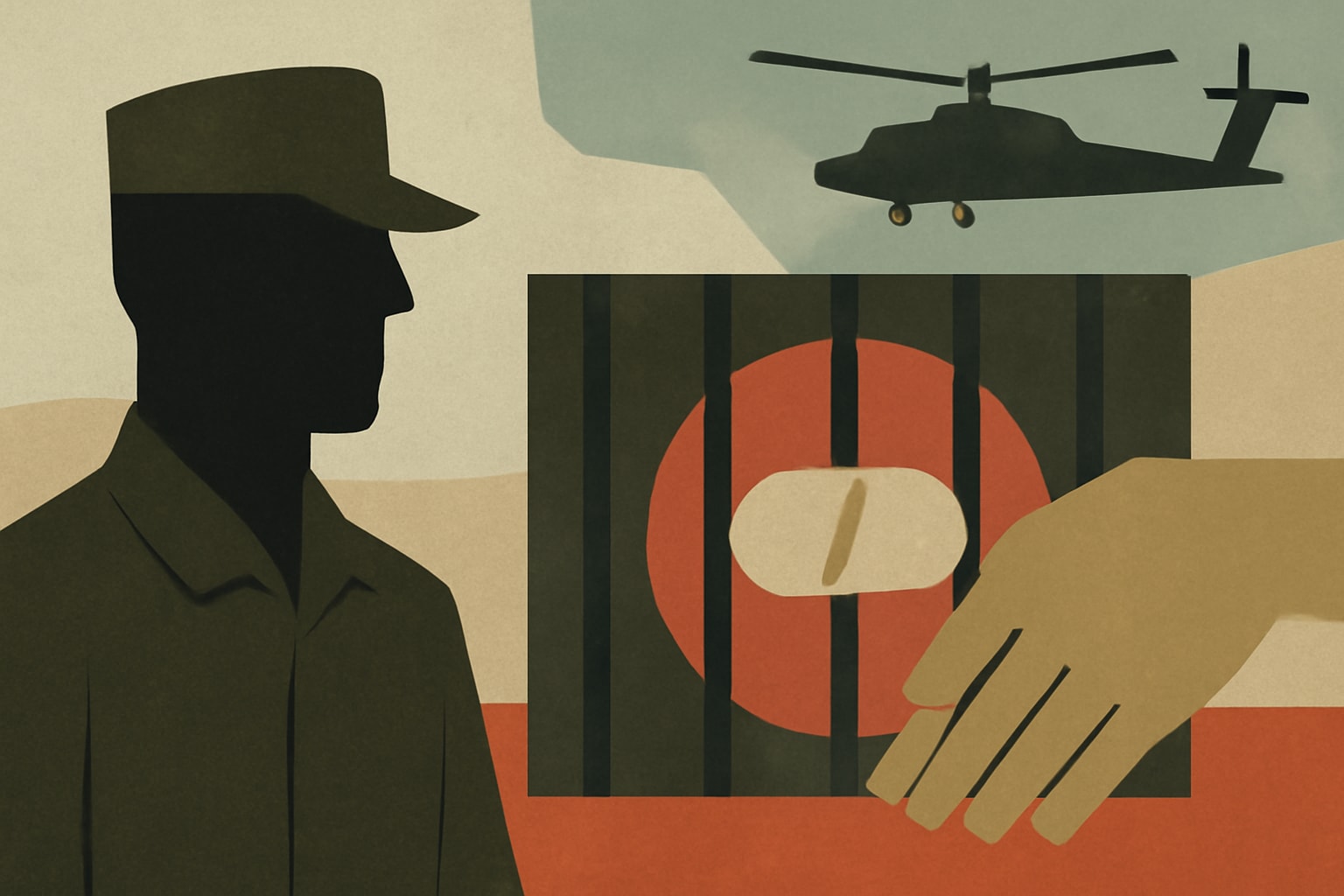
What's Happening
- •An Army captain was sentenced to 12 years in prison for giving a soldier an abortion drug without her knowledge.
- •The incident caused the soldier to suffer a miscarriage, leading to a court-martial.
- •This case raises significant ethical and legal questions regarding medical care in the military.
Why It Matters
This case is significant as it highlights the intersection of medical ethics and military law, particularly in how service members are treated within the healthcare system. For active-duty personnel and veterans, understanding the legal ramifications of medical decisions is crucial, as it impacts their trust in the military healthcare system.
What Changes Now
- •The conviction may lead to increased training on medical ethics and consent for military healthcare providers. This training will emphasize the importance of informed consent and the legal consequences of violations.
- •Service members may experience heightened scrutiny regarding medical practices following this case. This could result in more stringent oversight of medical procedures within military healthcare settings.
- •The military may review its policies on medical consent and ethical practices. This review aims to ensure that service members' rights are protected and that medical professionals adhere to established ethical standards.
What to Watch
- •Monitor for updates on military policy changes regarding medical ethics. These changes could be announced in response to the implications of this case.
- •Watch for potential training initiatives aimed at improving consent practices in military healthcare. These initiatives may be implemented within the next year as a direct response to this incident.
- •Keep an eye on future court-martial cases involving medical ethics. The outcomes of these cases may further shape military policy and legal standards.
Get the Daily Briefing
Military and veteran news that actually affects you, in your inbox each morning.
More Context
- •Details of the Case: The Army captain, whose identity has not been disclosed, was convicted after it was revealed that he administered an abortion drug to a soldier without her consent. This action not only violated military law but also breached medical ethics, as the soldier was unaware of the drug's nature and effects. The court-martial proceedings highlighted the serious implications of such actions within the military context, where trust and integrity in medical care are paramount.
- •Legal and Ethical Implications: The sentencing of the Army captain underscores the legal ramifications of unauthorized medical procedures in the military. This case serves as a stark reminder of the ethical responsibilities that service members, especially those in medical roles, hold towards their peers. The military justice system aims to uphold standards that protect service members, and this conviction reflects the seriousness with which it treats violations of medical ethics.
- •Impact on Military Personnel: Active duty service members, especially those in medical roles, may feel a heightened sense of scrutiny regarding their actions following this case. The incident could lead to increased training and awareness programs about consent and medical ethics within military healthcare. Furthermore, this case may influence how service members approach sensitive medical issues, knowing that breaches of trust can lead to severe consequences.
- •What This Means for Future Cases: The outcome of this court-martial may set a precedent for how similar cases are handled in the future. Military legal experts will likely analyze this case to determine its implications for medical practices within the armed forces. As the military continues to navigate complex issues surrounding medical ethics and consent, this case could prompt policy reviews to ensure the protection of service members' rights.
Frequently Asked Questions
Does this affect Guard members on Title 10 orders?
Yes, this case impacts all service members, including those in the National Guard on Title 10 orders, as they are subject to military law and ethical standards.
Will my medical records be affected by this case?
While this case specifically involves a criminal act, it underscores the importance of confidentiality and consent in medical records, which remain protected under military regulations.
Veteran Take
For those who've served, this case raises serious concerns about the intersection of medical care and military justice. Trust in the military healthcare system is vital, and incidents like this can undermine that trust, leaving active-duty personnel and veterans questioning the integrity of their medical decisions. We need to ensure that our fellow service members receive the care they deserve without fear of legal repercussions.
The Daily Briefing
Military & veteran news that actually affects you — delivered every morning.
- Pay, benefits & policy changes
- Pentagon decisions that matter
- VA updates for veterans & families
- One email. No spam. Unsubscribe anytime.
Related Stories
- Watchdog Report Reveals Security Flaws in Pentagon Wireless Services— Task & Purpose
- Marine Corps Invests $19.25 Million in Electric Seaglider Technology— Military.com
- National Guard Responds to Troops Near DC Ballot Drop Box Incident— Task & Purpose
- New House Bill Seeks to Ban Presidents from Livestreaming Executions— Military.com