Apache Helicopter Crash Near Oman Signals Shift in Air Combat Dynamics
The recent crash of an Apache helicopter near Oman raises concerns about the evolving nature of air combat against advanced drone threats.
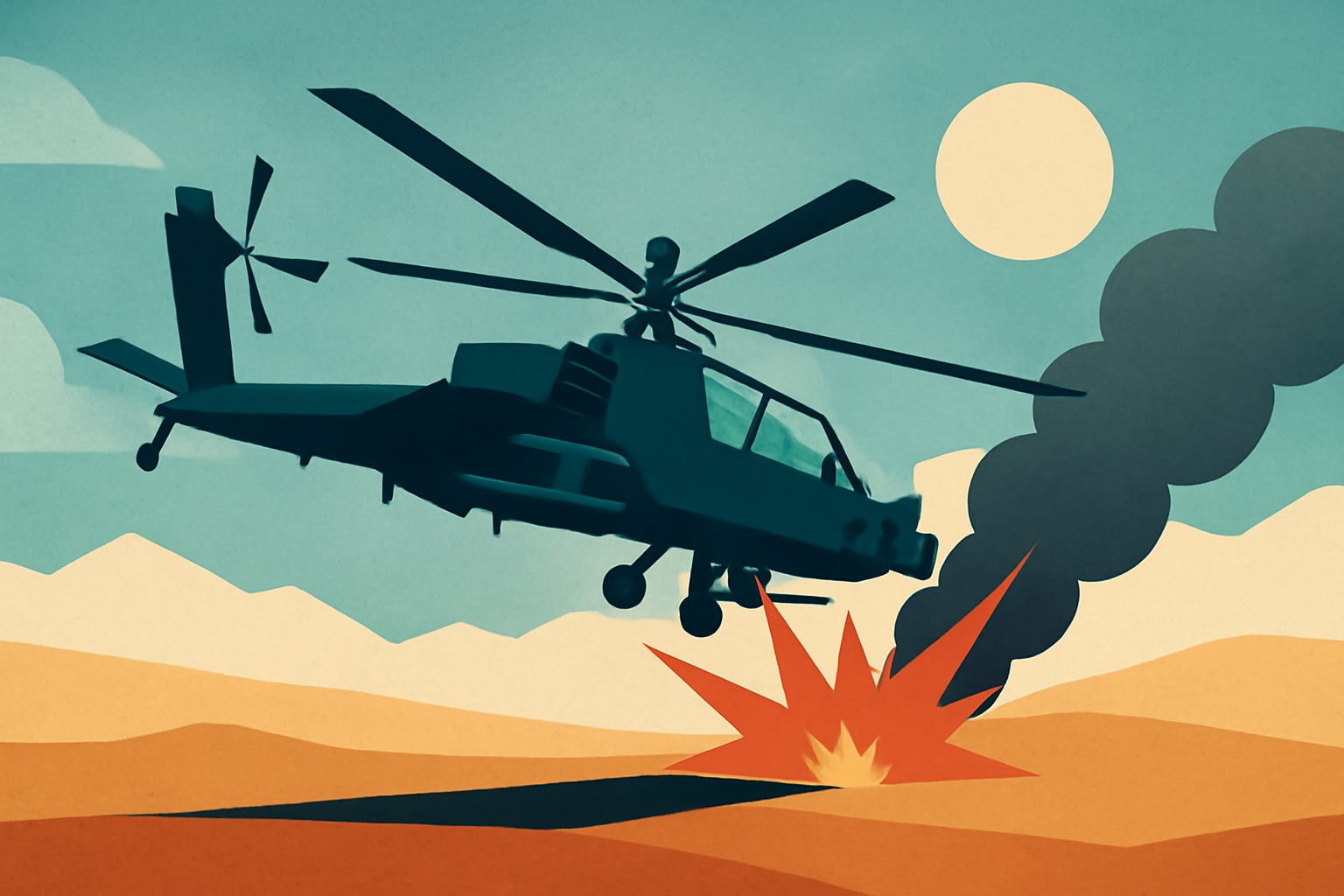
What's Happening
- •A U.S. Army Apache helicopter recently crashed near Oman.
- •Experts warn this incident reflects the evolving nature of air combat.
- •The crash highlights the growing threat posed by cheaper, rapidly evolving drones.
Why It Matters
The crash of the Apache helicopter near Oman is not just a tragic incident; it signifies a pivotal moment in air combat evolution. As military operations increasingly encounter advanced drone technology, understanding these dynamics is crucial for service members and defense stakeholders alike.
What Changes Now
- •The Army is expected to enhance training programs for Apache pilots. This will include tactics specifically designed to counter drone threats, ensuring pilots are prepared for modern combat scenarios.
- •Funding may be redirected towards developing advanced counter-drone systems. This shift will be crucial for maintaining air superiority against increasingly capable adversaries.
- •Logistical support for Apache operations may be restructured to accommodate new technologies. This will involve training support personnel on the integration of counter-drone measures.
What to Watch
- •Upcoming military exercises will likely showcase new tactics against drone threats. These exercises will provide insights into how the Army plans to adapt its air combat strategies.
- •Decisions regarding funding for drone countermeasures will be made in the next defense budget cycle. The outcome will significantly impact the Army's ability to counter emerging threats.
- •The integration of new technologies into the Apache fleet will be monitored closely. This will determine how effectively the Army can adapt to the changing landscape of air combat.
Get the Daily Briefing
Military and veteran news that actually affects you, in your inbox each morning.
More Context
- •The Incident and Its Implications: The recent crash of an Apache helicopter near Oman has raised alarms among military analysts regarding the future of air combat. As drones become increasingly sophisticated and affordable, traditional air assets like the Apache may face unprecedented challenges. This incident serves as a critical reminder of the need for the U.S. Army to adapt its strategies and technologies to counter these emerging threats effectively.
- •Adapting to New Threats: The evolution of drone technology necessitates a reevaluation of air combat tactics. Analysts suggest that the U.S. Army must invest in advanced counter-drone systems and enhance the capabilities of its existing air assets. This may involve integrating new technologies into the Apache fleet or developing entirely new platforms designed to operate in a drone-dominated environment.
- •Impact on Service Members: Active duty pilots and crew members of Apache helicopters, particularly those in the 15A Aviation Branch, will need to undergo additional training to address the new challenges posed by drone warfare. This training will focus on tactics for engaging with drone threats and utilizing advanced systems designed for detection and defense. Furthermore, the implications of this shift may extend to logistics and support personnel who must adapt to new operational requirements.
- •Looking Ahead: What to Monitor: Military leaders and defense analysts will be closely monitoring how the Army responds to this incident. Key decisions regarding funding for drone countermeasures and the development of new technologies will be critical in shaping future air combat strategies. Additionally, upcoming military exercises may provide insights into how the Army plans to integrate these changes into their operational framework.
Frequently Asked Questions
Does this affect Guard members on Title 10 orders?
Yes, Guard members on Title 10 orders may be impacted by changes in training and operational procedures as the Army adapts to new air combat challenges.
Will my BAH change if I move duty stations mid-year?
Your Basic Allowance for Housing (BAH) may change if you move to a new duty station with different housing costs. It's important to check the BAH rates for your new location.
Veteran Take
For those who've served, the crash of the Apache helicopter is a stark reminder of the ever-changing battlefield we face today. As we adapt to new technologies like drones, it's clear that our tactics and training must evolve to meet these threats head-on. Veterans navigating this landscape understand the importance of staying ahead of these advancements to ensure the safety of our troops and the effectiveness of our missions.
The Daily Briefing
Military & veteran news that actually affects you — delivered every morning.
- Pay, benefits & policy changes
- Pentagon decisions that matter
- VA updates for veterans & families
- One email. No spam. Unsubscribe anytime.
Related Stories
- Air Force Seeks Next-Gen Perimeter Air Defense Radars to Replace Aging Systems— Air & Space Forces Magazine
- AFRL Partners with Virgin Galactic to Collect Space Weather Data— Air & Space Forces Magazine
- Navy F/A-18F Returns from Iran with New ‘Sub Buster’ Markings— Task & Purpose
- North Korea Test-Fires Intermediate-Range Missile Amid Rising Tensions— Military.com