Air Force's AI-Driven X-62 Successfully Intercepts Crewed Jets
The Air Force's X-62 autonomous test fighter demonstrated AI capabilities by intercepting crewed jets in recent tests.
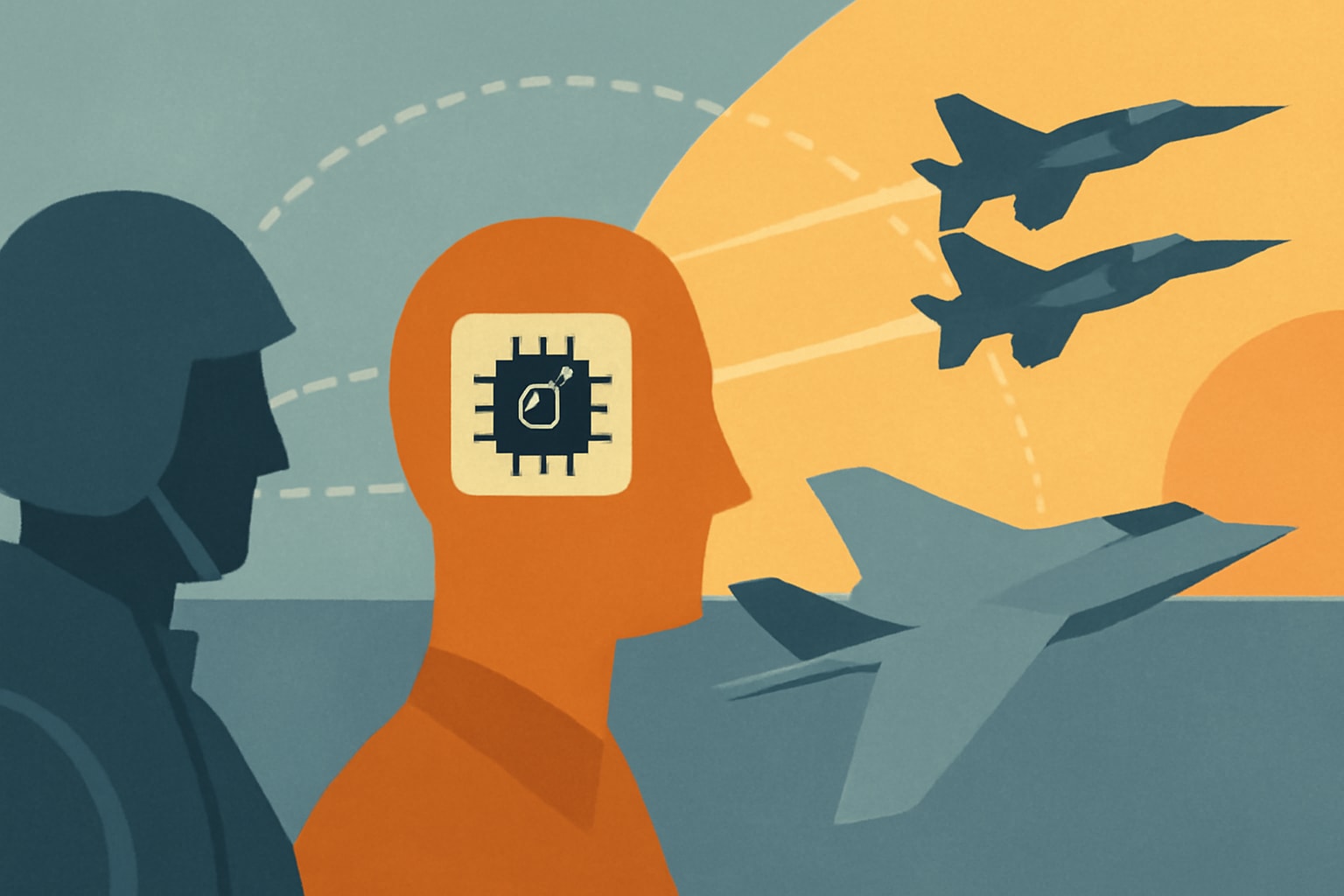
What's Happening
- •The Air Force's X-62 conducted AI-controlled intercepts of crewed jets earlier this year.
- •This series of tests showcases the potential of AI in future combat scenarios.
- •The X-62 is part of ongoing efforts to enhance autonomous capabilities in military aviation.
Why It Matters
The integration of AI in military aviation represents a transformative shift in how air combat may be conducted in the future. As the Air Force explores these technologies, service members must prepare for the implications on training, operations, and safety in the cockpit.
What Changes Now
- •The successful tests of the X-62 indicate a shift towards integrating AI in military operations. This means that pilots and support staff will need to familiarize themselves with autonomous systems and their functionalities.
- •As AI technology develops, training programs will evolve to include new protocols for interacting with autonomous aircraft. This will be essential for ensuring that personnel are prepared for future missions involving AI-driven platforms.
- •The Air Force's commitment to advancing AI capabilities may lead to increased funding and resources allocated to related programs. This could enhance research and development efforts, impacting future military aviation technology.
What to Watch
- •Upcoming tests of the X-62 are scheduled for the next year, focusing on further AI capabilities. These tests will be critical in determining how AI can be integrated into existing operational frameworks.
- •The Air Force is expected to release a report on the outcomes of the X-62 tests by the end of the year. This report will provide insights into the effectiveness of AI in combat scenarios and influence future funding decisions.
- •Watch for changes in training protocols for pilots and maintenance crews as AI integration progresses. These updates will be essential for preparing personnel to work alongside autonomous systems.
Get the Daily Briefing
Military and veteran news that actually affects you, in your inbox each morning.
More Context
- •Overview of the X-62 and Its Capabilities: The X-62 is an experimental aircraft developed by the U.S. Air Force to explore the integration of artificial intelligence in combat operations. This autonomous fighter is designed to perform complex maneuvers and make real-time decisions, potentially changing the dynamics of aerial warfare. The recent tests involved the X-62 successfully intercepting crewed jets, demonstrating its ability to operate in a mixed environment with both manned and unmanned aircraft.
- •Implications for Future Military Operations: The successful interception tests of the X-62 signal a significant step forward in military aviation technology. As AI capabilities continue to evolve, the potential for autonomous systems to assist or even replace human pilots in certain scenarios becomes more realistic. This advancement could lead to improved mission effectiveness, reduced risk to human life, and the ability to execute complex operations in contested environments.
- •Who Benefits from AI Integration in Aviation?: Active duty pilots, especially those in fighter and reconnaissance roles, will be directly affected by the integration of AI technologies like the X-62. As these systems become operational, training programs will need to adapt to include interactions with autonomous platforms. Additionally, maintenance personnel will require new skills to service and understand AI-driven aircraft, ensuring that all ranks within the Air Force are prepared for this technological shift.
- •Next Steps and Future Developments: The Air Force plans to continue testing the X-62 and similar technologies over the coming years. Key milestones will include further evaluation of AI decision-making in combat scenarios and the development of protocols for human-AI collaboration in the cockpit. Stakeholders will be watching closely as these tests progress, with implications for funding and strategic direction in military aviation.
Frequently Asked Questions
Does this affect Guard members on Title 10 orders?
Yes, Guard members on Title 10 orders may be involved in training and operations that utilize AI-driven technologies like the X-62.
Will my training change with AI integration?
Yes, training programs will adapt to include new protocols for interacting with AI systems, ensuring all personnel are prepared for future missions.
What are the implications for future air combat?
The integration of AI in air combat could lead to more effective missions and reduced risk to human pilots, changing the dynamics of aerial warfare.
Veteran Take
For those who've served, the rise of AI in military aviation brings both excitement and concern. While we recognize the potential for improved efficiency and safety, we also understand that relying on machines for critical decisions in combat could change the dynamics of air warfare significantly. Veterans navigating this new landscape will need to advocate for robust training and ethical considerations to ensure that technology enhances, rather than replaces, the human element in our operations.
The Daily Briefing
Military & veteran news that actually affects you — delivered every morning.
- Pay, benefits & policy changes
- Pentagon decisions that matter
- VA updates for veterans & families
- One email. No spam. Unsubscribe anytime.
Related Stories
- Space Force Seeks Service Members to Expand Its Ranks— Federal News Network
- Air Force Establishes Depot in the UK for Faster Battle Repairs— Air & Space Forces Magazine
- Air Force on Track to Graduate 1,500 New Pilots by 2026— Air & Space Forces Magazine
- Iranian Actors Use AI to Target U.S. Navy Personnel— Military Times