Apache Helicopter Crash Near Oman Signals Shift in Air Combat Dynamics
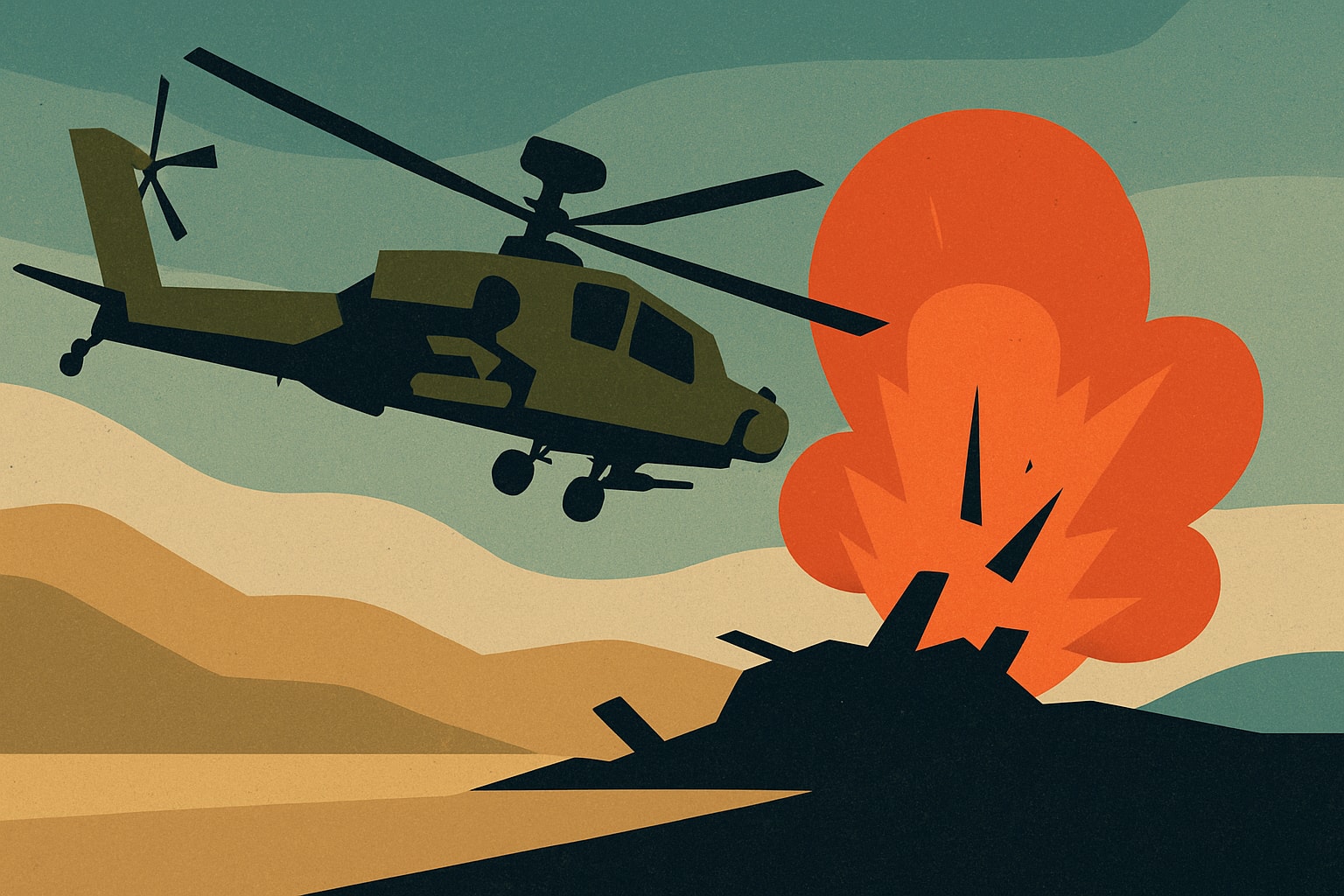
The downing of a U.S. Army Apache near Oman raises concerns about evolving air combat strategies against drones.
What's Happening
- •A U.S. Army Apache helicopter recently crashed near Oman.
- •Experts indicate this incident reflects the changing landscape of air combat.
- •The crash raises questions about the effectiveness of traditional air assets against drones.
Why It Matters
The Apache helicopter incident underscores a critical shift in military aviation strategy, particularly for those serving in combat roles. As drone technology continues to advance, service members must prepare for a new era of air combat that prioritizes adaptability and innovation in tactics and equipment.
What Changes Now
- •Air combat training programs will likely incorporate counter-drone strategies. This means pilots and support personnel will need to learn new tactics and technologies to effectively engage in modern warfare.
- •Operational protocols for Army aviation units may be revised to enhance aircraft survivability. This could involve changes in mission planning and execution to mitigate drone threats.
- •Future deployments may prioritize reconnaissance missions to identify drone threats early. This proactive approach will help protect air assets and ensure mission success.
What to Watch
- •Watch for updates on revised training programs for Army aviation units. These changes will be crucial in ensuring pilots are equipped to handle the evolving threat landscape.
- •Monitor developments in drone technology and its impact on military operations. The effectiveness of drones in combat will shape future air combat strategies.
- •Keep an eye on policy changes from military leadership regarding air combat tactics. Decisions made in response to incidents like the Apache crash will influence future operational readiness.
Get the Daily Briefing
Military and veteran news that actually affects you, in your inbox each morning.
More Context
- •The Incident and Its Implications: The recent crash of a U.S. Army Apache helicopter near Oman has sparked discussions among military analysts regarding the future of air combat. As drones become cheaper and more accessible, traditional air assets like the Apache may face increased risks on the battlefield. Analysts argue that this incident is not isolated but rather indicative of a broader trend where advanced air combat strategies must adapt to counter the growing prevalence of unmanned aerial vehicles (UAVs).
- •Challenges for Air Combat Units: For active-duty pilots, particularly those in the 15A Aviation Officer and 15B Aviation Maintenance MOSs, this incident serves as a wake-up call. The evolving nature of warfare means that air combat units must now integrate counter-drone strategies into their training. This shift requires not only technical upgrades to existing aircraft but also a reevaluation of tactics used in air engagements. The Army may need to invest in new technologies that enhance the survivability of its aircraft in drone-dominated environments.
- •What This Means for Future Operations: The implications of this incident extend beyond immediate tactical considerations. For Army aviation units, particularly those stationed in the Middle East, there may be changes in operational protocols to address the increased threat posed by drones. Future missions could involve more comprehensive reconnaissance and intelligence-gathering efforts to identify and neutralize drone threats before they can engage. This evolution in air combat strategy will likely affect how units are deployed and the types of missions they undertake.
Frequently Asked Questions
Does this incident affect Army aviation training?
Yes, the Apache crash is likely to lead to changes in training programs to include counter-drone tactics.
Will there be new policies for air combat operations?
Yes, military leadership may revise policies to enhance the effectiveness and safety of air operations in drone-rich environments.
Veteran Take
For those who've served in combat aviation, the crash of the Apache near Oman is a stark reminder of how quickly the battlefield can change. Veterans navigating this new landscape must grapple with the reality that traditional air combat tactics may no longer suffice against the rise of drone warfare. It’s crucial for us to adapt and innovate, ensuring that our strategies keep pace with these technological advancements.
The Daily Briefing
Military & veteran news that actually affects you — delivered every morning.
- Pay, benefits & policy changes
- Pentagon decisions that matter
- VA updates for veterans & families
- One email. No spam. Unsubscribe anytime.
Related Stories
- Air Force Seeks Next-Gen Perimeter Air Defense Radars to Replace Aging Systems— Air & Space Forces Magazine
- AFRL Partners with Virgin Galactic to Collect Space Weather Data— Air & Space Forces Magazine
- Lockheed Martin Unveils PAC-3 Edge Interceptor to Combat Hypersonic Threats— Marine Corps Times
- Air Force Leaders Elevate Point Defense as a Key Air Warfare Mission— Air & Space Forces Magazine