FBI Investigates Cyberattacks on Michigan Water Systems
Michigan joins Minnesota in reporting cyberattacks on its water systems, raising alarms about national security and infrastructure vulnerabilities.
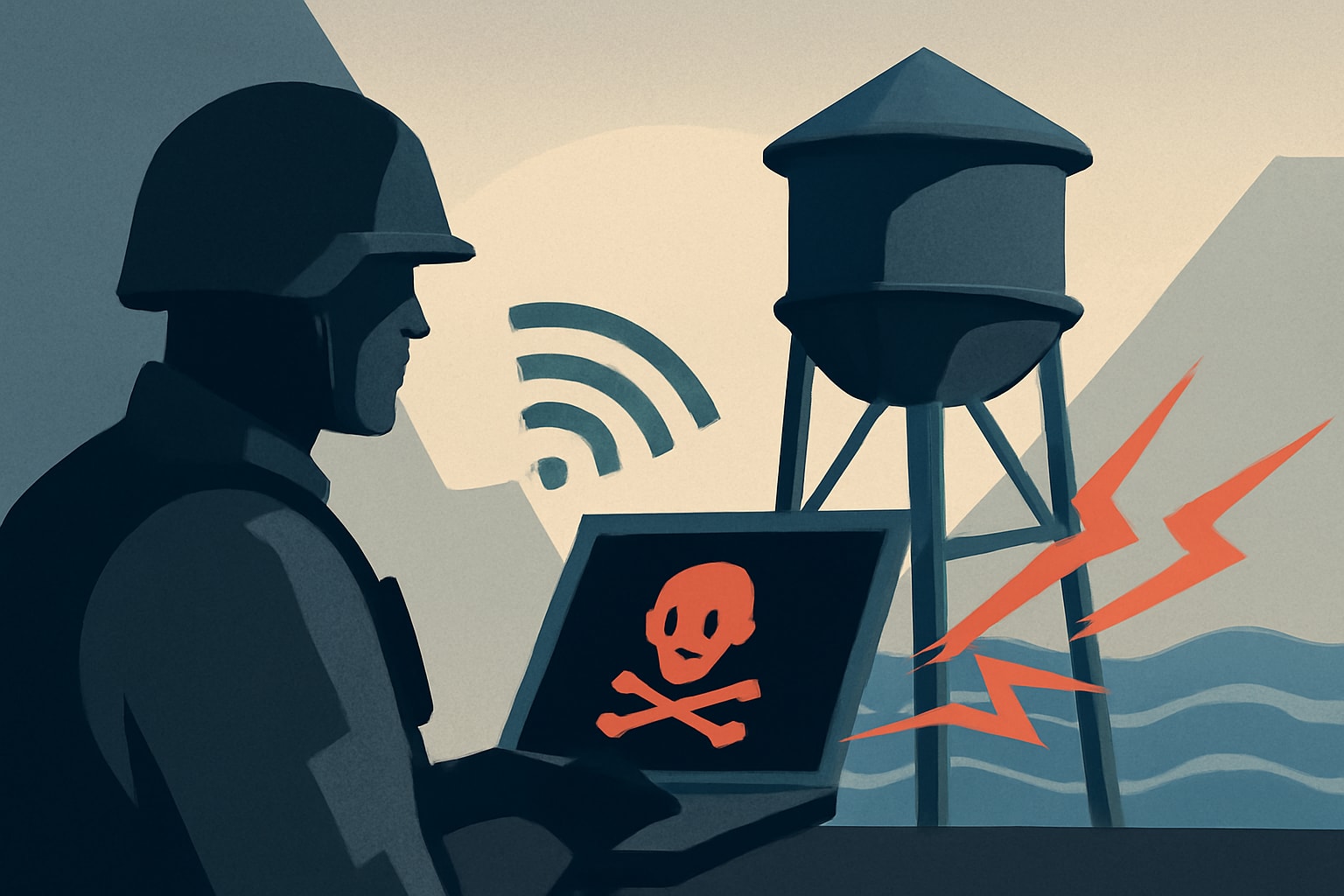
What's Happening
- •Michigan has reported cyberattacks targeting its water systems, similar to incidents in Minnesota.
- •The FBI is actively investigating these cyber incidents to assess the threat level.
- •These attacks highlight vulnerabilities in critical infrastructure across the United States.
Why It Matters
These cyberattacks on water systems illustrate vulnerabilities in critical infrastructure that can affect military operations and civilian safety. As military personnel and veterans often work in or rely on these systems, understanding the implications of such threats is essential for readiness and resilience.
What Changes Now
- •Increased scrutiny of cybersecurity measures will be implemented across local and state governments. This may lead to new funding initiatives aimed at enhancing defenses against cyber threats.
- •Service members in cybersecurity roles may receive additional training and resources to address vulnerabilities in critical infrastructure. This training will help them better protect military and civilian systems from future attacks.
- •Local law enforcement and military installations are likely to collaborate more closely on cybersecurity initiatives. This partnership will enhance information sharing and response strategies to potential threats.
What to Watch
- •Upcoming legislative sessions will likely address funding for cybersecurity improvements. Decisions made in these sessions could significantly impact local infrastructure security measures.
- •The FBI's ongoing investigation will provide insights into the nature of the attacks and potential perpetrators. Monitoring their findings will be crucial for understanding future risks.
- •The Department of Defense may announce new cybersecurity protocols for military installations. These changes could affect how service members interact with critical infrastructure.
Get the Daily Briefing
Military and veteran news that actually affects you, in your inbox each morning.
More Context
- •Understanding the Cyberattacks: The recent cyberattacks on Michigan's water systems have raised significant concerns about the security of critical infrastructure. These incidents mirror similar attacks reported in Minnesota, indicating a potential trend that could threaten public safety. Cybersecurity experts emphasize the need for robust defenses against such threats, which can disrupt essential services and compromise public health. The FBI's involvement underscores the seriousness of these attacks, as they investigate the origins and motivations behind the cyber intrusions.
- •Implications for Military and National Security: The implications of these cyberattacks extend beyond local infrastructure, posing risks to national security. Military installations and operations rely heavily on secure and reliable water supplies. If adversaries can successfully target civilian infrastructure, they may also attempt to infiltrate military systems, potentially disrupting operations. This situation necessitates a reevaluation of cybersecurity measures within military and defense sectors to ensure the protection of critical resources.
- •Practical Steps for Service Members and Veterans: Service members, particularly those in cybersecurity roles such as 17D (Cyber Operations Specialist) or 25D (Cyber Network Defender), should stay informed about these developments. It's crucial to engage with local cybersecurity initiatives and training programs that focus on protecting critical infrastructure. Additionally, veterans working in related fields should consider sharing their expertise with community organizations to bolster local defenses against cyber threats. Staying connected with agencies like the Department of Homeland Security can provide valuable resources and updates.
- •What to Monitor Moving Forward: As investigations continue, service members and veterans should monitor updates from the FBI and local law enforcement regarding the outcomes of these investigations. Key decisions about funding for cybersecurity improvements in critical infrastructure may arise in upcoming legislative sessions. Additionally, watch for announcements from the Department of Defense regarding new protocols aimed at enhancing cybersecurity measures across military installations.
Frequently Asked Questions
Does this affect Guard members on Title 10 orders?
Yes, Guard members on Title 10 orders could be impacted by disruptions in critical infrastructure, including water supply systems.
Will my BAH change if I move duty stations mid-year?
Your Basic Allowance for Housing (BAH) may change if you move to a different area with a different BAH rate, which could be influenced by local infrastructure stability.
Veteran Take
For those who've served, the security of our critical infrastructure is not just a concern; it's a matter of national safety. Cyberattacks on water systems highlight vulnerabilities that could impact both military operations and civilian life, reminding us of the interconnectedness of our roles. Veterans navigating this landscape must stay informed and advocate for stronger protections, as the implications of these threats extend far beyond just one state.
The Daily Briefing
Military & veteran news that actually affects you — delivered every morning.
- Pay, benefits & policy changes
- Pentagon decisions that matter
- VA updates for veterans & families
- One email. No spam. Unsubscribe anytime.
Related Stories
- Critics Warn AI Military Targeting Could Outpace Human Oversight— Military Times
- Space Force Enhances Capabilities for Tracking Moving Targets— Air & Space Forces Magazine
- Gen. Dan Caine: US Military Must Prepare for Real-Time Tracking in Future Conflicts— Air & Space Forces Magazine
- U.S. Space Force to Add 10,000 Guardians in Next Five Years— Military Times