Airmen Criticize Air Force’s Use of AI in Suicide Prevention Training
Some airmen find AI-generated presenters in suicide training to be cold and unnatural, raising concerns about effectiveness.
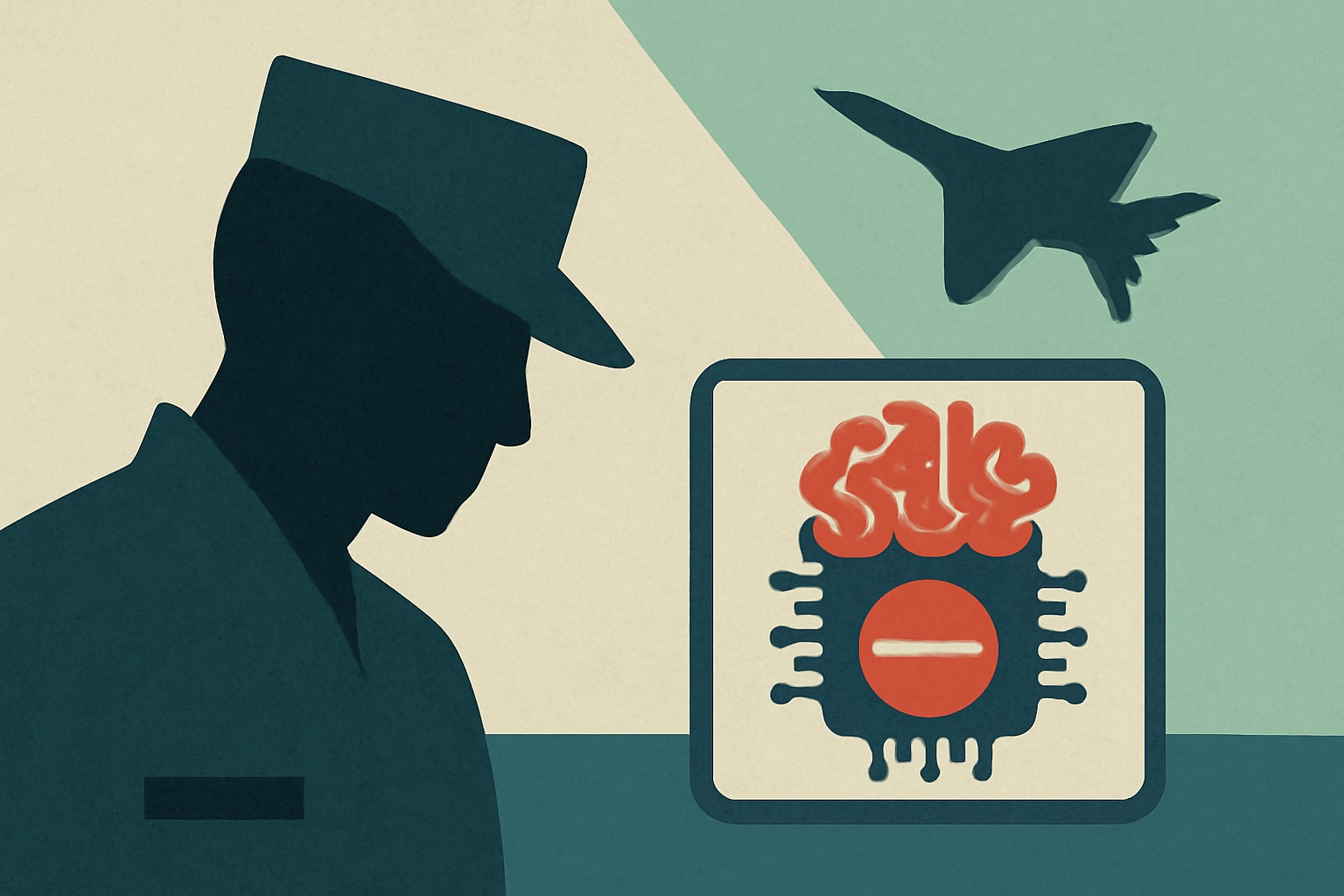
What's Happening
- •The Air Force is implementing AI-generated presenters for suicide prevention training.
- •Airmen have expressed discomfort, describing the AI approach as 'cold and unnatural.'
- •Critics argue that using AI for such a sensitive topic may undermine the training's effectiveness.
Why It Matters
The use of AI in sensitive training areas like suicide prevention raises critical questions about the effectiveness and emotional impact of such methods. For service members and veterans, understanding these changes is vital as they navigate mental health resources and support systems within the military.
What Changes Now
- •The Air Force may revise its use of AI in suicide prevention training. This could lead to a return to more human-centered training methods that resonate better with airmen.
- •Airmen are encouraged to provide feedback about their training experiences. This feedback will be crucial for leadership as they consider adjustments to the training format.
- •Increased emphasis on mental health resources may follow the feedback from airmen. This could result in more accessible support services for those in need.
What to Watch
- •The Air Force's upcoming review of AI training effectiveness. This review will determine if AI will continue to play a role in future training sessions.
- •Potential announcements from leadership regarding changes to training formats. Airmen should keep an eye on communications from their chain of command for updates.
- •The development of new mental health initiatives based on airmen feedback. These initiatives could reshape how the Air Force approaches suicide prevention and mental health support.
Get the Daily Briefing
Military and veteran news that actually affects you, in your inbox each morning.
More Context
- •AI in Training: A Double-Edged Sword: The Air Force has introduced AI-generated presenters to standardize suicide prevention training across the service. While the intent is to ensure consistency and accessibility, many airmen feel that the lack of human interaction diminishes the gravity of the subject matter. Suicide prevention is a deeply personal issue, and the emotional connection that a human presenter can provide is often seen as crucial for effective training. Airmen have reported feeling uncomfortable during these sessions, suggesting that the AI's delivery lacks the empathy and understanding that human trainers typically offer.
- •Concerns from the Ranks: Feedback from airmen has been overwhelmingly critical of the AI training format. Many have described the experience as 'odd' and 'uncomfortable,' highlighting a disconnect between the material and the method of delivery. The Air Force's reliance on technology for such a sensitive topic raises questions about the effectiveness of the training. Critics argue that suicide prevention requires a nuanced understanding of human emotions, which AI cannot replicate. This sentiment is particularly strong among junior enlisted airmen, who often rely on relatable figures for guidance during challenging times.
- •What Changes Now for Airmen?: In response to feedback, the Air Force may need to reassess its approach to suicide prevention training. This could involve integrating more human elements into the training process, such as live discussions or mentorship programs. Airmen should stay informed about potential changes to training formats and provide feedback through their chain of command. Additionally, airmen can advocate for more interactive training sessions that foster open dialogue about mental health issues.
- •Looking Ahead: The Future of Training: As the Air Force evaluates the effectiveness of AI in training, several key decisions are on the horizon. Leadership will need to consider whether to continue using AI-generated content or pivot back to more traditional methods. The timeline for these evaluations is uncertain, but airmen should monitor updates from their leadership about any changes to training protocols. The outcome of this review could significantly impact how suicide prevention is approached within the service.
Frequently Asked Questions
Will my training change if I’m in the Air National Guard?
Yes, the National Guard may adopt similar AI training methods, but feedback from airmen will influence any changes.
Can I opt out of AI training sessions?
Currently, participation in training is mandatory, but you can voice concerns through your chain of command.
What resources are available for mental health support?
Airmen can access mental health resources through their base clinic or the Air Force's mental health services.
The Daily Briefing
Military & veteran news that actually affects you — delivered every morning.
- Pay, benefits & policy changes
- Pentagon decisions that matter
- VA updates for veterans & families
- One email. No spam. Unsubscribe anytime.
Related Stories
- Space Force Report Urges Adoption of Laser Communications to Avoid Data Bottlenecks— Air & Space Forces Magazine
- Air Force Selects Seven Companies for New MMA Drone Program— Air & Space Forces Magazine
- Germany Deploys Fighter Jets to Latvia Amid Election Security Concerns— Defense News
- French Artillery Regiment Reorganizes to Counter Drone Threats— Defense News