Air Force Links T-7A Red Hawk Trainers with Ground Simulators
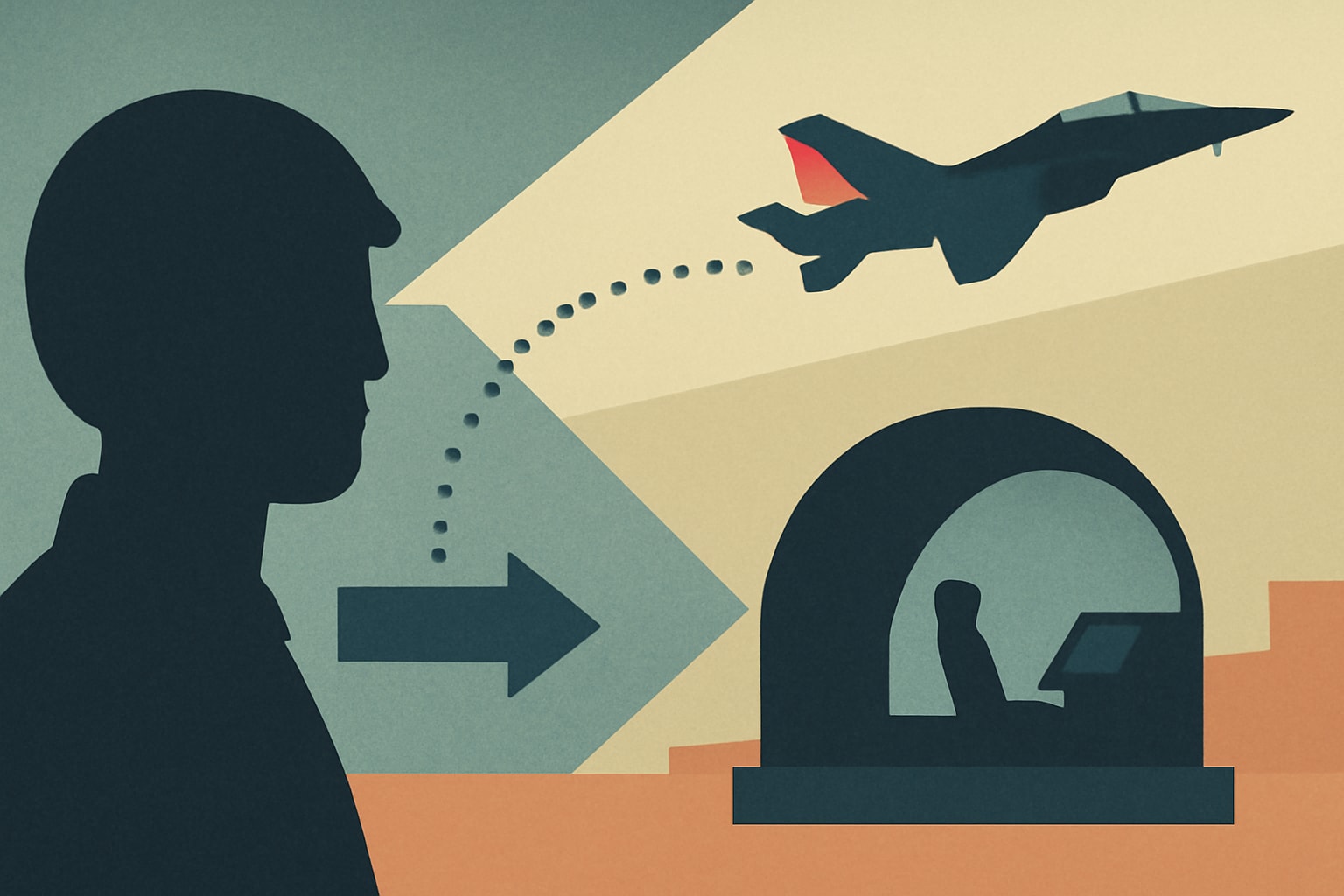
The Air Force has successfully connected airborne T-7A Red Hawk jets with ground simulators, marking a significant training advancement.
What's Happening
- •Three T-7A Red Hawk trainer jets conducted a joint flight on September 16.
- •One jet was airborne while two were simulated from the ground.
- •All aircraft shared a common operating picture during the flight.
Why It Matters
The integration of the T-7A Red Hawk with simulators marks a pivotal moment for Air Force training, enhancing the effectiveness of pilot preparation. For active-duty service members, particularly those in flight training, this advancement could lead to improved operational readiness and safety in real-world missions.
What Changes Now
- •The T-7A Red Hawk's integration with simulators allows for real-time training enhancements. This change means pilots can practice in scenarios that closely mimic actual flight conditions, improving their readiness.
- •Training programs will begin incorporating this technology immediately, with a focus on developing new curricula. This ensures that pilots are trained using the latest advancements in simulator technology.
- •The Air Force plans to conduct evaluations of this integration within the next year. These evaluations will help determine the effectiveness of the new training methods and inform future training strategies.
What to Watch
- •Upcoming training evaluations in late 2026 will assess the integration's impact. These evaluations are crucial for understanding how this technology enhances pilot performance.
- •In early 2027, the Air Force may announce further developments in simulator technology. This could lead to expanded training capabilities and additional resources for pilots.
- •Watch for updates on the T-7A Red Hawk's role in joint exercises with other branches. This could provide insights into how well the integration translates to multi-service operations.
Get the Daily Briefing
Military and veteran news that actually affects you, in your inbox each morning.
More Context
- •Significance of the T-7A Red Hawk Integration: The integration of the T-7A Red Hawk trainer jets with simulators represents a significant step forward in pilot training for the U.S. Air Force. This innovative approach allows for real-time data sharing and enhanced training scenarios, which can better prepare pilots for actual flight conditions. By linking physical aircraft with virtual counterparts, the Air Force aims to create a more immersive training environment that can adapt to various combat situations.
- •Operational Impact on Training: This new capability is particularly relevant for training pilots in the 11F (Fighter Pilot) and 12F (Fighter Weapons Instructor) Air Force Specialty Codes (AFSC). The ability to simulate complex scenarios while flying provides a more comprehensive training experience, allowing pilots to hone their skills in a controlled yet dynamic environment. As the Air Force continues to modernize its training programs, this integration could set a new standard for how future pilots are prepared for their roles.
- •Future Developments to Monitor: As the Air Force evaluates the effectiveness of this integration, service members should keep an eye on upcoming training evaluations scheduled for late 2026. These evaluations will assess the impact of the T-7A Red Hawk's simulator integration on pilot performance and readiness. Additionally, updates on further technological advancements and potential expansions of this training model could be announced in early 2027, influencing how future training programs are structured.
Frequently Asked Questions
Does this affect Guard members on Title 10 orders?
Yes, the integration of the T-7A Red Hawk with simulators will also benefit National Guard pilots on Title 10 orders, as they will have access to the same training advancements.
Will my training change if I am currently in flight school?
Yes, if you are in flight school, your training will begin to incorporate the new simulator integration, enhancing your training experience.
How will this affect pilot readiness?
The integration is expected to improve pilot readiness by providing more realistic training scenarios, allowing pilots to better prepare for actual flight missions.
The Daily Briefing
Military & veteran news that actually affects you — delivered every morning.
- Pay, benefits & policy changes
- Pentagon decisions that matter
- VA updates for veterans & families
- One email. No spam. Unsubscribe anytime.
Related Stories
- Air Force Expands Maintenance Career Field from 7 to 14 AFSCs— Air & Space Forces Magazine
- Ukraine Deploys FP-7 Tactical Ballistic Missile in Combat for First Time— Military Times
- Japanese Global Hawk Drone Crash Cuts Fleet by One-Third— Defense News
- Space Force Explores Leasing Commercial Antennas for Satellite Management— Air & Space Forces Magazine