Critics Warn AI Military Targeting Could Outpace Human Oversight
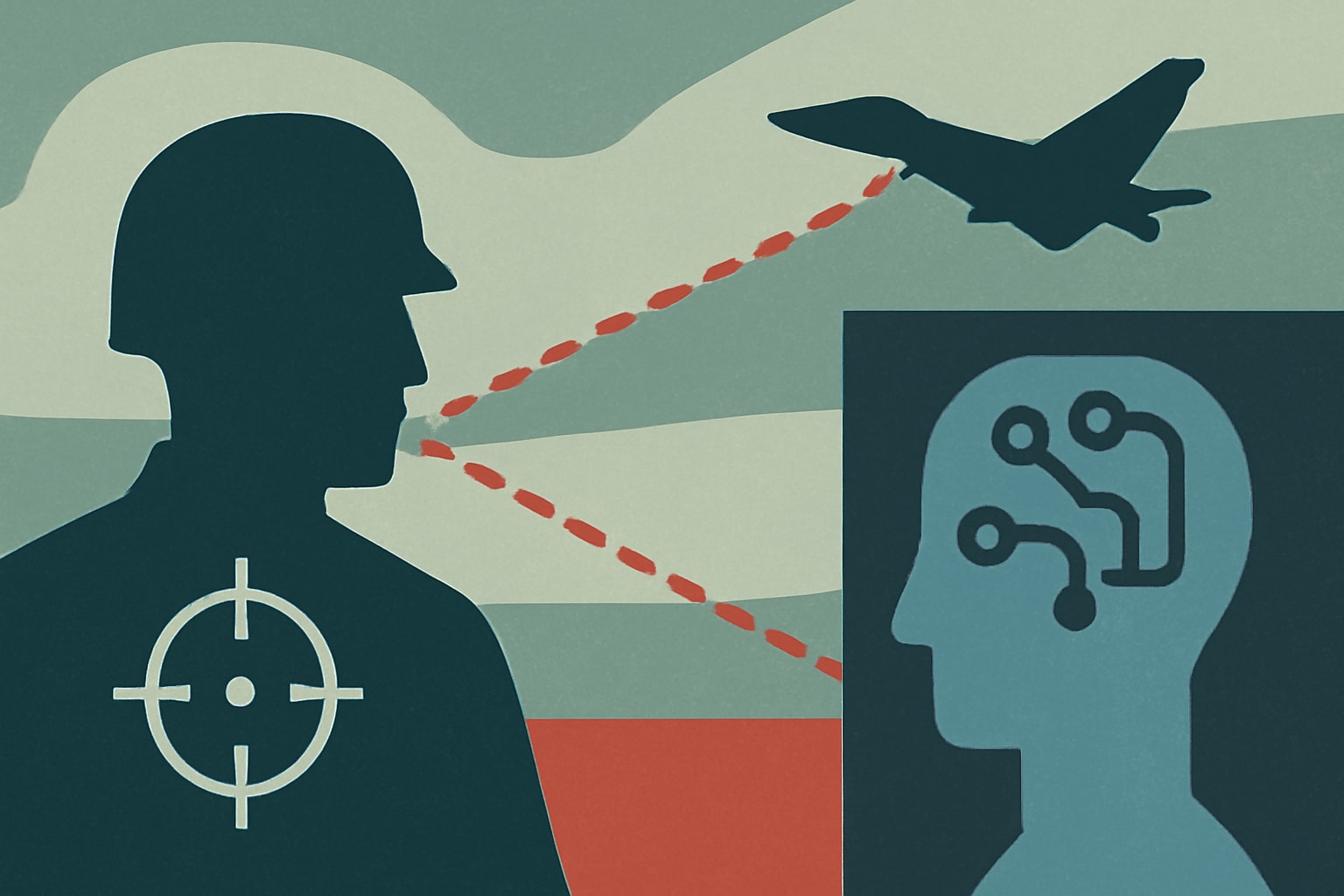
A recent hearing highlighted concerns that AI targeting systems may operate faster than humans can verify, impacting military operations.
What's Happening
- •During a recent hearing, experts expressed concern that AI military targeting systems may function faster than human operators can authenticate.
- •The discussion centered on the implications of rapid decision-making in combat scenarios.
- •Critics highlighted the potential risks of relying on AI without sufficient human oversight.
Why It Matters
The integration of AI in military targeting systems presents both opportunities and challenges for service members. Understanding the implications of these technologies is crucial for ensuring effective and ethical military operations, particularly in high-stakes environments where decisions can have life-or-death consequences.
What Changes Now
- •Military leadership is expected to review current policies regarding AI use in targeting. This review will focus on ensuring that human oversight remains a priority in operational decision-making.
- •Training programs for service members will likely incorporate new modules on AI technologies. This will help prepare personnel to work effectively with AI systems and understand their limitations.
- •Ethical guidelines for the use of AI in combat may be developed or revised. Such guidelines will be crucial in maintaining accountability and ensuring responsible use of technology.
What to Watch
- •Upcoming military assessments on AI integration will be conducted within the next year. These assessments will evaluate the effectiveness and safety of AI systems in operational settings.
- •The development of new training protocols for service members is expected to begin shortly. This will include input from both military leaders and AI experts to ensure comprehensive coverage of the topic.
- •Policy changes regarding AI use in combat scenarios may be announced in the coming months. These changes will directly impact how service members engage with AI technologies in the field.
Get the Daily Briefing
Military and veteran news that actually affects you, in your inbox each morning.
More Context
- •The Rise of AI in Military Operations: Artificial Intelligence (AI) is increasingly integrated into military operations, enhancing capabilities in data analysis and decision-making. As AI technologies evolve, they promise to streamline processes, potentially allowing for faster targeting and engagement in combat. However, this rapid advancement raises critical questions about the balance between speed and accuracy. Military leaders must ensure that AI systems are not only efficient but also reliable, as the consequences of errors in targeting can be catastrophic.
- •Concerns Over Human Oversight: Experts at the hearing emphasized the importance of human oversight in military operations, particularly when it comes to AI-driven targeting. The ability for AI systems to process vast amounts of data and make decisions in real-time is impressive, but it can lead to scenarios where decisions are made without adequate human verification. This concern is particularly relevant for active-duty personnel in combat roles, who may find themselves relying on AI systems for critical decisions without sufficient time for human review.
- •Implications for Service Members: The potential for AI to outpace human authentication could have significant implications for service members, particularly those in combat arms MOSs such as infantry and armor. These soldiers may increasingly depend on AI systems for situational awareness and targeting decisions. As the military adopts these technologies, it is crucial for training programs to evolve, ensuring that service members are equipped to understand and manage AI systems effectively. This includes not only technical training but also ethical considerations regarding the use of AI in warfare.
- •Future Considerations and Monitoring: As the military continues to integrate AI into its operations, ongoing assessments will be necessary to ensure that these systems remain safe and effective. Service members should stay informed about developments in AI technology and its applications within their units. Additionally, the military may need to establish clear guidelines and protocols for the use of AI in combat scenarios, balancing the benefits of speed with the need for human judgment. Monitoring these changes will be essential for all ranks, particularly those in leadership positions.
Frequently Asked Questions
Does this affect Guard members on Title 10 orders?
Yes, Guard members on Title 10 orders may be subject to the same AI targeting protocols as active-duty personnel.
Will my training change due to AI integration?
Yes, training programs are expected to evolve to include AI technologies and their implications for military operations.
How will AI affect decision-making in combat?
AI may speed up decision-making processes, but it will be critical to maintain human oversight to ensure accuracy and accountability.
The Daily Briefing
Military & veteran news that actually affects you — delivered every morning.
- Pay, benefits & policy changes
- Pentagon decisions that matter
- VA updates for veterans & families
- One email. No spam. Unsubscribe anytime.
Related Stories
- Space Force Seeks Service Members to Expand Its Ranks— Federal News Network
- Air Force Establishes Depot in the UK for Faster Battle Repairs— Air & Space Forces Magazine
- US Military Must Adapt as Autonomous Systems Change Warfare Landscape— Military Times
- Air Force on Track to Graduate 1,500 New Pilots by 2026— Air & Space Forces Magazine