AI Integration in Military Acquisition: Insights from Unison's David Kim
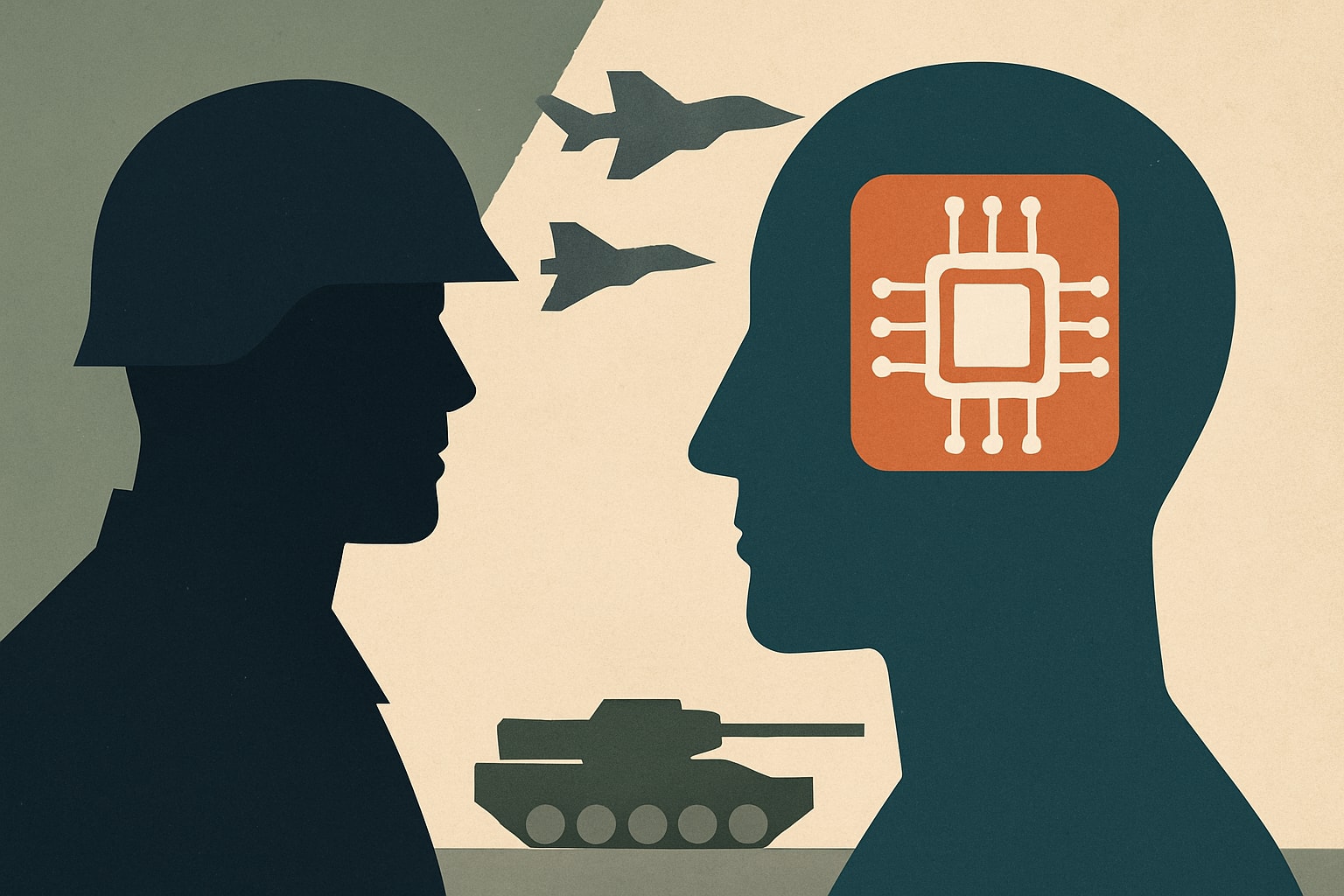
As the Pentagon embraces AI, clear goals and quick wins are essential for successful integration into acquisition processes.
What's Happening
- •The Pentagon is exploring AI to enhance its acquisition processes.
- •Unison's David Kim emphasizes the need for clear objectives in AI integration.
- •Identifying quick wins is crucial for successful AI implementation.
Why It Matters
The integration of AI into military acquisition processes is a significant step towards modernizing the Pentagon's operations. For service members and defense civilians, this shift could lead to more efficient procurement practices, ultimately enhancing operational readiness and effectiveness.
What Changes Now
- •The Pentagon is prioritizing AI in its acquisition strategies. This change aims to improve efficiency and decision-making in procurement processes.
- •Clear objectives for AI integration will be established by military leaders. This clarity will guide the development of AI tools tailored to military needs.
- •Focus will be placed on achieving quick wins in AI projects. These initial successes will help build momentum for broader AI adoption within the Pentagon.
What to Watch
- •Upcoming reports on AI implementation strategies will be released by the Pentagon. These reports will outline progress and challenges in integrating AI into acquisition processes.
- •The establishment of a task force dedicated to AI in acquisition is expected soon. This group will focus on identifying best practices and addressing implementation challenges.
- •Future training programs for personnel on AI tools are in development. These programs will be crucial for ensuring effective use of AI in military operations.
Get the Daily Briefing
Military and veteran news that actually affects you, in your inbox each morning.
More Context
- •The Role of AI in Military Acquisition: The Pentagon is increasingly recognizing the potential of artificial intelligence (AI) to improve its acquisition processes. By leveraging AI, the Department of Defense (DoD) aims to streamline operations, reduce costs, and enhance decision-making capabilities. AI can analyze vast amounts of data quickly, providing insights that can lead to more informed procurement decisions. This technological shift is seen as a way to keep pace with the rapidly evolving defense landscape and ensure that the military remains competitive.
- •Setting Clear Goals: David Kim from Unison highlights the importance of establishing clear goals when integrating AI into military acquisition. Without defined objectives, efforts to implement AI can become unfocused and ineffective. Leaders within the Pentagon must articulate what they hope to achieve with AI, whether it's improving efficiency, reducing procurement times, or enhancing data analysis. This clarity will help guide the development of AI tools and ensure they meet the specific needs of military operations.
- •Identifying Quick Wins: Kim also stresses the necessity of identifying 'quick wins' in the AI integration process. These are smaller, achievable goals that can demonstrate the value of AI to stakeholders and build momentum for larger initiatives. By focusing on projects that can deliver immediate results, the Pentagon can gain support for broader AI adoption. This approach not only showcases the potential benefits of AI but also helps to build confidence among military leaders and personnel.
- •Challenges Ahead: Despite the promise of AI, several challenges remain in its integration into military acquisition. Issues such as data security, ethical considerations, and the need for training personnel to use AI tools effectively are significant hurdles. Additionally, there is a need for a cultural shift within the Pentagon to embrace new technologies. Overcoming these challenges will be crucial for the successful implementation of AI in defense acquisition and will require collaboration between various stakeholders.
Veteran Take
For those who've served, the integration of AI into military acquisition is a promising development that could streamline processes we've often found cumbersome. Veterans navigating this transition may see firsthand how these advancements lead to more efficient use of resources, ultimately benefiting our operational capabilities. It's crucial that the Pentagon not only embraces this technology but also ensures that it aligns with the needs of those who have worn the uniform.
The Daily Briefing
Military & veteran news that actually affects you — delivered every morning.
- Pay, benefits & policy changes
- Pentagon decisions that matter
- VA updates for veterans & families
- One email. No spam. Unsubscribe anytime.
Related Stories
- U.S. Army Confirms 19th Service Member Death in Iran Conflict— Military Times
- Collaborative Combat Aircraft Production Set to Increase Amid 2027 Budget Uncertainty— Air & Space Forces Magazine
- Iran War Costs $38 Billion, Depletes U.S. Missile Interceptors— Military Times
- Updated USMC Weight Standards for Marines: Key Information— Military.com