WWII Army Medic, 104, Reflects on Liberating Buchenwald
Tim Kiniry's service as an Army medic during WWII continues to inspire generations, highlighting the importance of remembrance.
What's Happening
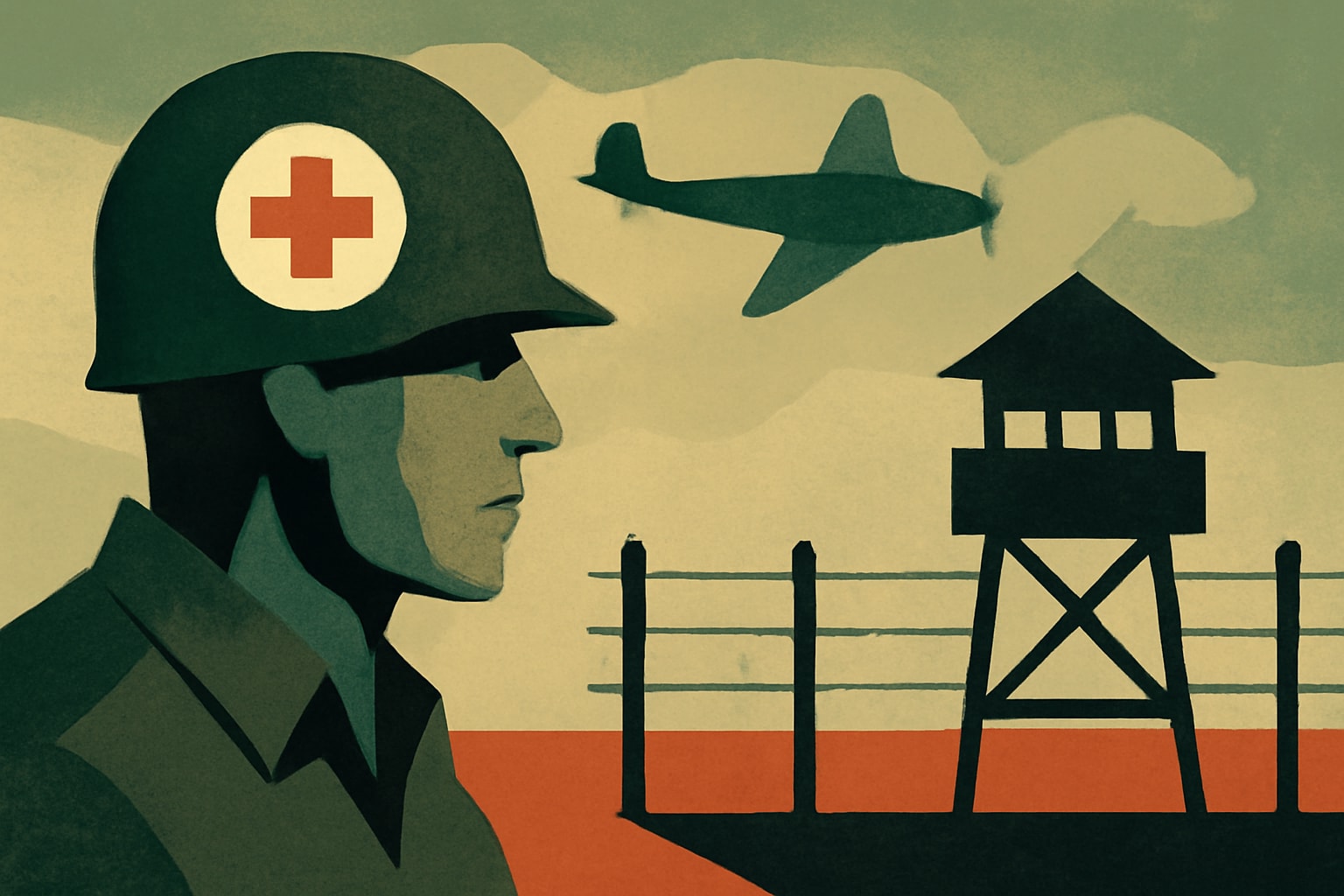
- •Tim Kiniry, a 104-year-old WWII Army medic, reflects on his experiences liberating the Buchenwald concentration camp.
- •Kiniry's story emphasizes the lasting impact of wartime experiences on veterans and their families.
- •His reflections serve as a reminder of the sacrifices made by service members during WWII.
Why It Matters
Tim Kiniry's reflections on his service during WWII highlight the critical role that veterans play in shaping our understanding of history. His experiences, particularly during the liberation of Buchenwald, serve as a poignant reminder of the sacrifices made by service members and the importance of preserving their stories for future generations.
What Changes Now
- •Veterans and their families may seek to engage in remembrance activities. This includes participating in local events that honor WWII veterans and their sacrifices.
- •Educational institutions may incorporate more veteran narratives into their curricula. This can help students understand the significance of historical events and the personal stories behind them.
- •Organizations focused on veteran affairs may increase outreach efforts to gather and share stories from WWII veterans like Kiniry. This aims to preserve their legacies and educate the public.
What to Watch
- •Upcoming anniversaries of WWII events will likely feature veteran stories. These events provide opportunities for public remembrance and education.
- •Documentaries and media projects focusing on WWII veterans are in development. These projects aim to share personal accounts and ensure that the lessons of history are not forgotten.
- •Veteran organizations may host events to honor the experiences of those who served in WWII. These gatherings will focus on sharing stories and fostering community among veterans and their families.
Get the Daily Briefing
Military and veteran news that actually affects you, in your inbox each morning.
More Context
- •A Medic's Duty: Tim Kiniry served as an Army medic during World War II, a role that placed him on the front lines of some of the most harrowing experiences of the war. His duties included providing medical care to injured soldiers and, later, to the survivors of the Buchenwald concentration camp. Kiniry's experiences shaped his understanding of the human condition and the importance of compassion in the face of suffering. As he reflects on these moments, he emphasizes that nothing could have prepared him for the sights and sounds he encountered at Buchenwald, where he witnessed the aftermath of unimaginable atrocities.
- •Legacy of Service: Kiniry's service has inspired generations of veterans and civilians alike. His story is a powerful reminder of the sacrifices made by those who served in WWII and the moral responsibilities that come with such experiences. By sharing his reflections, Kiniry hopes to instill a sense of duty and honor in younger generations, encouraging them to remember and learn from the past. His commitment to sharing these stories underscores the importance of veteran voices in shaping our collective memory of history.
- •The Importance of Remembrance: As we approach significant anniversaries of WWII events, the reflections of veterans like Kiniry become increasingly vital. They remind us of the importance of remembering the sacrifices made by those who served and the lessons learned from those dark times. This remembrance is crucial for fostering a sense of gratitude and understanding in today's society, particularly for younger generations who may not fully grasp the realities of war. Kiniry's story serves as a call to action for all of us to honor the legacy of our veterans by ensuring their stories are told and remembered.
Frequently Asked Questions
What can I do to honor WWII veterans?
You can participate in local remembrance events, volunteer with veteran organizations, or share their stories with younger generations.
How can I learn more about the experiences of WWII veterans?
Consider visiting museums, reading books, or watching documentaries that focus on WWII and the personal accounts of those who served.
Are there organizations dedicated to preserving veteran stories?
Yes, many organizations focus on collecting and sharing the stories of veterans to ensure their experiences are remembered and honored.
The Daily Briefing
Military & veteran news that actually affects you — delivered every morning.
- Pay, benefits & policy changes
- Pentagon decisions that matter
- VA updates for veterans & families
- One email. No spam. Unsubscribe anytime.
Related Stories
- Renovation of Century-Old Homes at Fort Bragg Underway— Military Times
- FEDVIP Open Enrollment 2027: How to Choose Your Dental Plan— Military.com
- US Army Report Identifies Systematic Failures in 2025 Collision— Military Times
- A German U-Boat Intruded into Newport Harbor During WWI— Navy Times