Gen. Wilsbach Advocates for Enhanced Allied Airpower Cooperation
Air Force Chief of Staff stresses the importance of allied airpower for deterrence and military effectiveness.
What's Happening
- •Air Force Chief of Staff Gen. Kenneth S. Wilsbach spoke on July 16 about the significance of allied airpower.
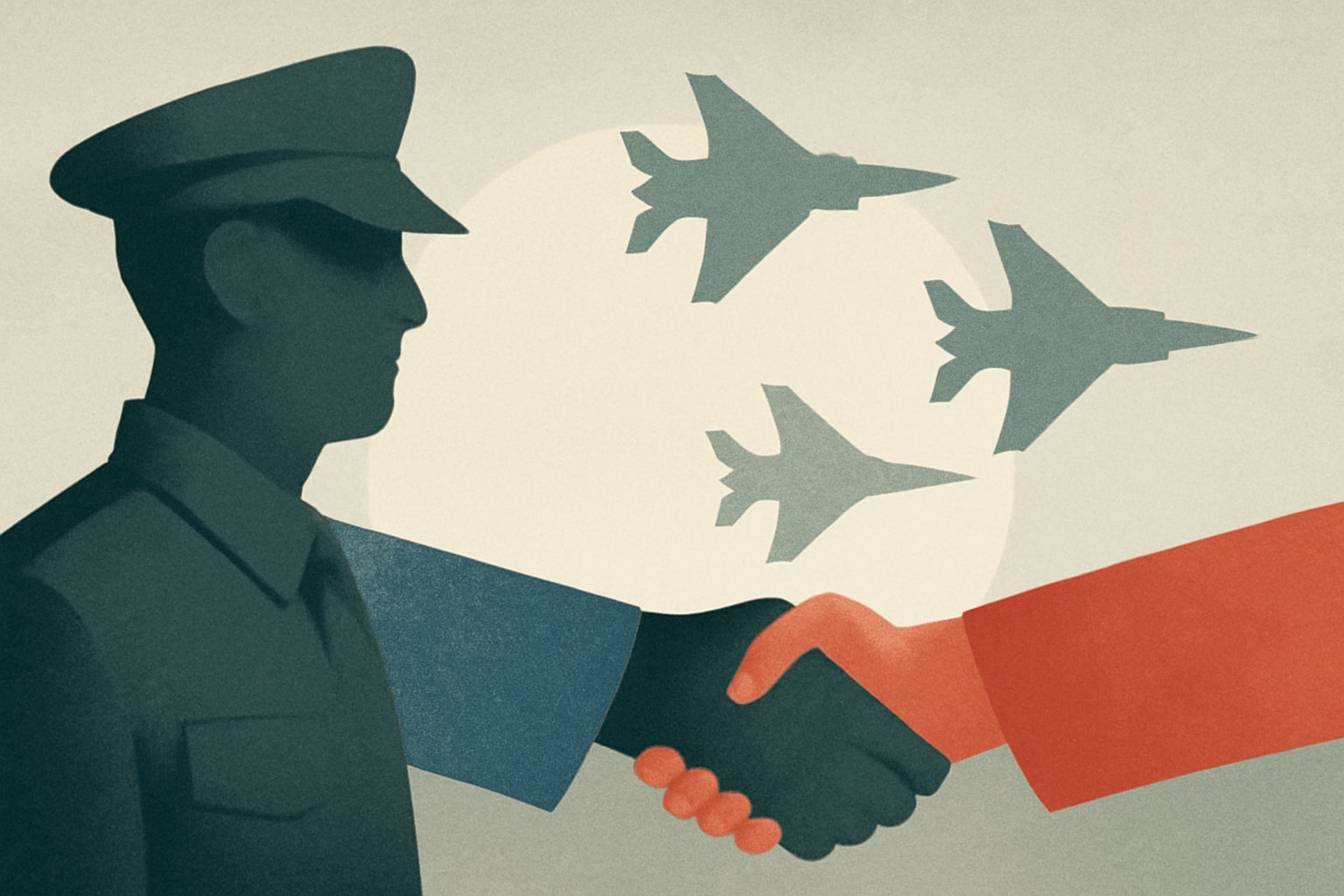
- •He highlighted the necessity of interoperability between U.S. forces and allied nations.
- •Wilsbach asserted that no single nation can generate the effects needed for effective deterrence independently.
Why It Matters
The emphasis on allied airpower is particularly relevant for military personnel as it shapes future operational strategies and training programs. Understanding these dynamics can help service members prepare for collaborative missions and enhance their effectiveness in joint environments.
What Changes Now
- •Service members may see an increase in joint training exercises with allied forces. This will provide valuable experience in multinational operations, enhancing their skill sets.
- •The focus on interoperability means that training programs may be updated to include more collaborative scenarios. Personnel should be prepared for changes in their training schedules to accommodate these new exercises.
- •Air combat roles will likely see a shift in operational tactics to align with allied capabilities. This could involve new protocols and technologies being introduced in training environments.
What to Watch
- •Upcoming joint exercises are slated for next year, focusing on airpower integration. These exercises will test the interoperability of U.S. forces with allies and could influence future operational strategies.
- •The development of new technologies for air combat will be monitored closely, as they may impact joint operations. Service members should stay informed about advancements that could change how air missions are executed.
- •Policy changes regarding military collaboration with allies are expected to be discussed in upcoming defense meetings. These discussions will affect how military resources are allocated and utilized in joint operations.
Get the Daily Briefing
Military and veteran news that actually affects you, in your inbox each morning.
More Context
- •The Role of Allied Airpower in Deterrence: Gen. Wilsbach emphasized that the collective airpower of allied nations is crucial for deterring potential adversaries. He pointed out that in modern warfare, the capabilities of individual nations are often insufficient to address complex threats, making collaboration essential.
- •Interoperability as a Strategic Imperative: The Chief of Staff called for deeper interoperability between U.S. forces and their allies, which includes shared training and operational strategies. This approach not only enhances readiness but also ensures that forces can operate seamlessly together during joint missions.
- •Implications for Service Members: For active-duty personnel, especially those in air combat roles (such as pilots and air traffic controllers), this emphasis on allied airpower means increased opportunities for joint exercises. Service members may find themselves participating in multinational training operations, which can enhance their skills and broaden their operational experience.
- •Future Developments to Monitor: As the U.S. military continues to develop its strategy around allied airpower, service members should keep an eye on upcoming joint exercises scheduled for next year. These exercises will likely focus on integrating new technologies and tactics with allied forces, which could change how air operations are conducted.
Frequently Asked Questions
Does this affect Guard members on Title 10 orders?
Yes, Guard members on Title 10 orders may participate in joint exercises that emphasize interoperability with allied forces, enhancing their operational readiness.
Will my training change due to this focus on allied airpower?
Training programs may be updated to include more joint exercises with allied nations, so service members should be prepared for changes in their training schedules.
Veteran Take
For those who've served, the call for enhanced allied airpower cooperation is a reminder of the global nature of modern warfare. We know that effective collaboration with our allies can mean the difference between victory and defeat on the battlefield. Veterans navigating this will likely reflect on their own experiences with joint operations and understand that fostering these relationships is crucial for future missions.
The Daily Briefing
Military & veteran news that actually affects you — delivered every morning.
- Pay, benefits & policy changes
- Pentagon decisions that matter
- VA updates for veterans & families
- One email. No spam. Unsubscribe anytime.
Related Stories
- Air Force Seeks Next-Gen Perimeter Air Defense Radars to Replace Aging Systems— Air & Space Forces Magazine
- AFRL Partners with Virgin Galactic to Collect Space Weather Data— Air & Space Forces Magazine
- BAE Systems Awarded Contract for F-35 Block 4 Electronic Warfare Systems— Air & Space Forces Magazine
- Two Dover Airmen Sentenced in Multimillion-Dollar Cyber Fraud Scheme— Air & Space Forces Magazine