Moral Injury: The Hidden Cost of AI Warfare
As AI technology transforms battlefields, moral injury emerges as a significant concern for military personnel.
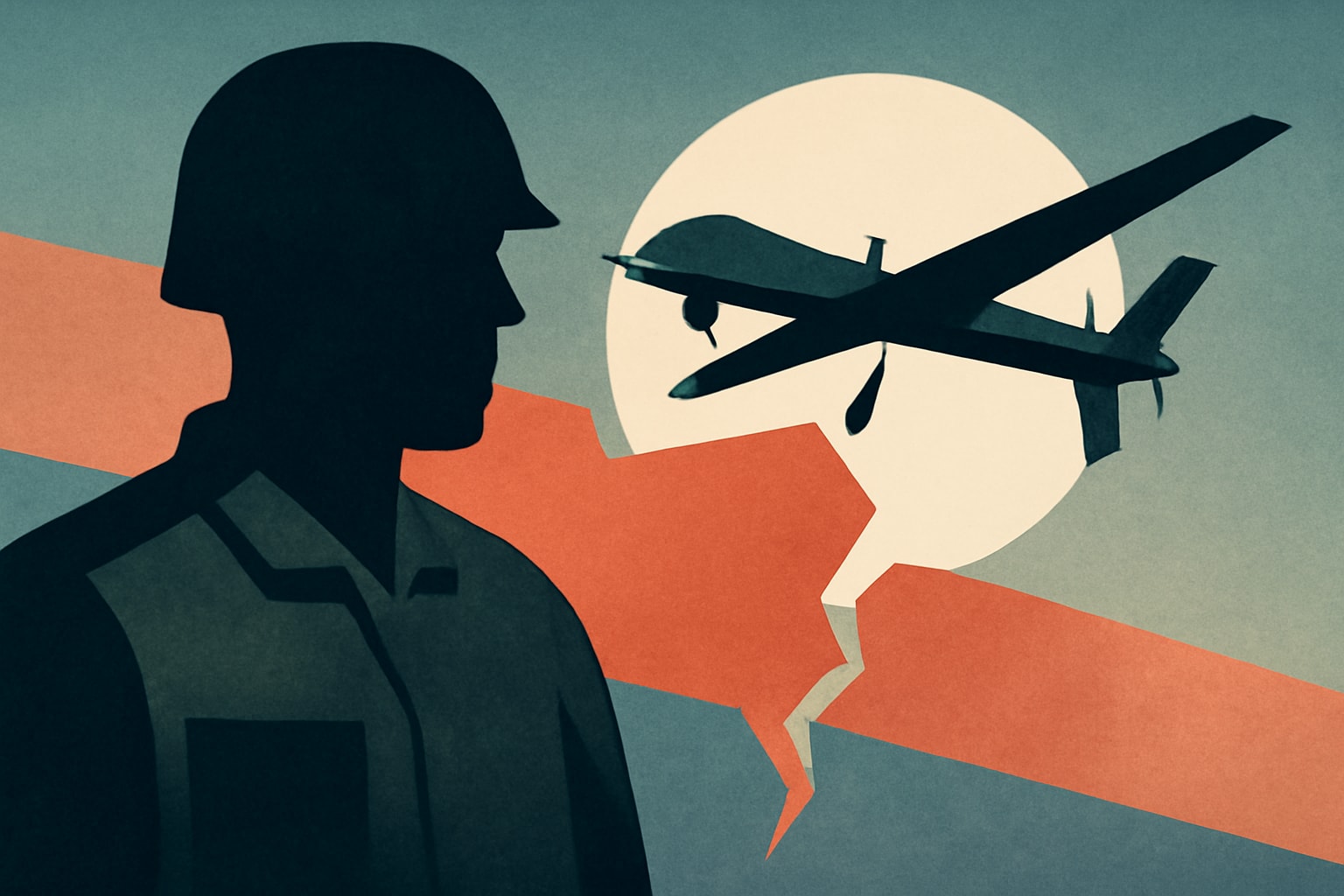
What's Happening
- •Experts warn that moral injury could become prevalent in AI-driven warfare.
- •Autonomous systems may not shield service members from psychological harm.
- •Veterans highlight the emotional toll of remote warfare on mental health.
Why It Matters
As the military increasingly relies on AI technologies, understanding the psychological impact on service members is crucial. Moral injury can have lasting effects on mental health, making it essential for military leadership to address these challenges proactively.
What Changes Now
- •Military training programs are being updated to include ethical considerations related to AI warfare. This change is crucial for preparing service members to navigate the moral complexities of modern combat.
- •Mental health resources are being expanded to address the unique challenges posed by AI technologies. Service members and veterans can access these resources through military health systems and veteran support organizations.
- •Chaplains are receiving additional training to help them support service members dealing with moral injury. This initiative aims to ensure that spiritual leaders are equipped to address the psychological aspects of AI warfare.
What to Watch
- •Upcoming military training sessions focused on AI ethics. These sessions will provide insights into how service members can make ethical decisions in combat scenarios involving AI.
- •The development of new mental health programs targeting moral injury. These programs are expected to roll out within the next year, aiming to support affected service members and veterans.
- •Policy changes regarding the use of AI in military operations. Decisions made by military leadership in the coming months will shape the future integration of AI technologies.
Get the Daily Briefing
Military and veteran news that actually affects you, in your inbox each morning.
More Context
- •Understanding Moral Injury: Moral injury refers to the psychological distress that arises from actions or the lack of action that violates one's moral or ethical beliefs. In traditional warfare, this often stems from direct combat experiences, but as warfare evolves with the integration of AI, the nature of moral injury may shift. Service members may face dilemmas when making decisions about the use of autonomous weapons, leading to feelings of guilt or shame even if they are not physically present on the battlefield.
- •The Role of AI in Modern Warfare: Artificial intelligence is increasingly being integrated into military operations, from surveillance drones to autonomous combat systems. While these technologies are designed to enhance operational efficiency and reduce risk to human soldiers, they also introduce complex ethical questions. For example, the decision-making processes of AI systems may lack the moral reasoning that human soldiers possess, potentially leading to actions that conflict with military ethics and values.
- •Implications for Service Members and Veterans: Active duty service members, particularly those in combat roles such as infantry (11B) or special operations (18 series), may find themselves grappling with the implications of AI warfare. As these technologies become more prevalent, the psychological impact on service members could mirror that of traditional combat, with unique challenges related to moral injury. Veterans who have experienced remote warfare may also need support to address these emerging mental health concerns, highlighting the need for comprehensive mental health resources.
- •Addressing Moral Injury in the Military Community: To effectively address moral injury associated with AI warfare, military leadership must prioritize mental health resources and training. This includes developing programs that educate service members about the ethical implications of AI technologies and providing support systems for those struggling with moral dilemmas. Chaplains and mental health professionals should be equipped to recognize and treat moral injury, ensuring that service members have access to the care they need.
Frequently Asked Questions
How does AI warfare affect my mental health?
AI warfare can lead to moral injury, which may manifest as feelings of guilt or shame from actions taken or not taken during combat.
What resources are available for veterans dealing with moral injury?
Veterans can access mental health services through the VA, including counseling and support groups specifically addressing moral injury.
Will my chaplain be trained to help with AI-related moral dilemmas?
Yes, chaplains are receiving additional training to support service members facing moral injury related to AI warfare.
The Daily Briefing
Military & veteran news that actually affects you — delivered every morning.
- Pay, benefits & policy changes
- Pentagon decisions that matter
- VA updates for veterans & families
- One email. No spam. Unsubscribe anytime.
Related Stories
- Avoid These VA Refinance Mistakes: 14 Crucial Tips Every Veteran Should Know— Military.com
- 2026 VA Funding Fee Guide: Understanding Rates and Exemptions— Military.com
- How the VA Decides on Mental Health Treatments for Veterans— Military Times
- Marine Veteran Robert Gilman Freed from Russian Custody After 1,666 Days— Military.com