Forensic Experts Urge Faster Identification of Unknown Fallen Heroes
Experts claim the Pentagon can identify remains of unknown service members much quicker than current timelines suggest.
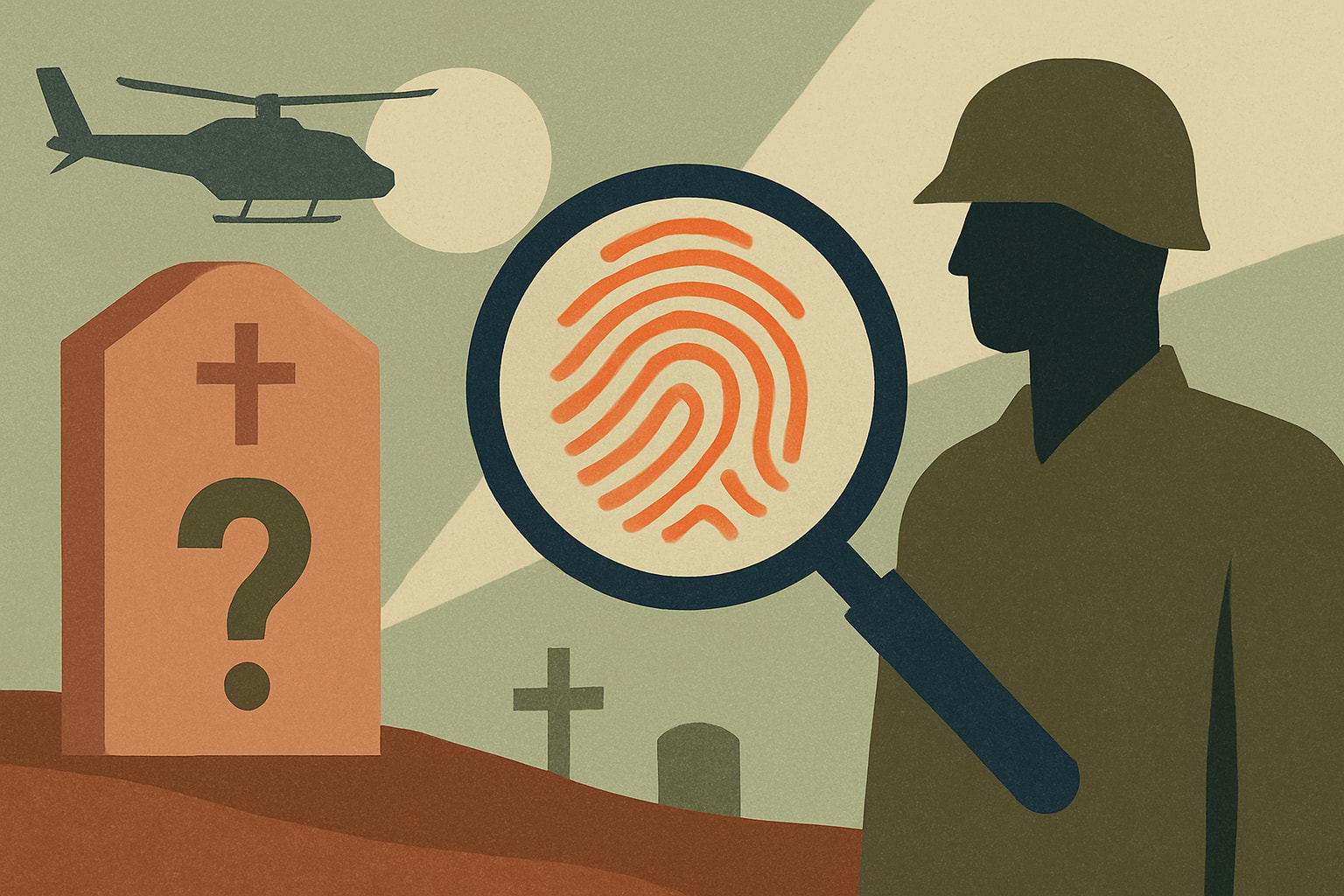
What's Happening
- •Forensic DNA experts are advocating for quicker identification of unknown fallen service members.
- •Current processes may take decades, while experts believe it should take years.
- •Thousands of remains in military cemeteries remain unidentified.
Why It Matters
The identification of unknown fallen heroes holds significant importance for military families seeking closure. Faster identification processes can provide answers to those left behind, honoring the sacrifices made by service members and their families.
What Changes Now
- •The Pentagon is under pressure to reassess its identification processes. This could lead to new funding and resources allocated to expedite DNA testing and forensic analysis.
- •Advocates are pushing for policy changes that prioritize the identification of unknown remains. Such changes may involve collaboration with forensic experts to implement best practices and technologies.
- •Increased public awareness may influence legislative action regarding military identification processes. This could result in a more streamlined approach that honors the fallen more efficiently.
What to Watch
- •Watch for upcoming policy discussions within the Pentagon regarding identification processes. These discussions could reshape how remains are handled and identified moving forward.
- •Monitor the implementation of new forensic technologies that may be introduced. The effectiveness of these technologies could dramatically alter timelines for identification.
- •Keep an eye on advocacy efforts from military families and organizations. Their influence may lead to significant changes in how the Department of Defense approaches the identification of unknown service members.
Get the Daily Briefing
Military and veteran news that actually affects you, in your inbox each morning.
More Context
- •The Current Identification Process: The process for identifying unknown fallen service members involves extensive forensic analysis, including DNA testing. Currently, the Department of Defense has a backlog of remains that have yet to be identified, leading to frustrations among families and advocates who feel the timeline is unnecessarily prolonged.
- •Expert Opinions on Timelines: Many forensic experts argue that advances in DNA technology and methodologies could significantly reduce the time required for identification. They suggest that with proper resources and prioritization, the Pentagon could achieve results in a matter of years rather than the decades currently projected.
- •Impact on Military Families: The prolonged identification process affects families of service members who have been missing in action or unaccounted for. For families, the uncertainty of not knowing the fate of their loved ones adds to their grief, and faster identification could provide much-needed closure.
- •Future Implications and Changes: As discussions continue regarding the identification of unknown remains, there may be shifts in policy and funding that could expedite the process. Stakeholders are urging the Pentagon to adopt new technologies and streamline procedures to honor the sacrifices of these service members more effectively.
Frequently Asked Questions
How long does it currently take to identify unknown service members?
Currently, the identification process can take decades due to a backlog and resource limitations.
What advancements could speed up the identification process?
Advancements in DNA technology and forensic methodologies are believed to significantly reduce identification times.
Who is advocating for faster identification?
Forensic experts, military families, and advocacy groups are pushing for changes to expedite the identification of unknown remains.
Veteran Take
For those who've served, the identification of our fallen comrades is not just a matter of science; it's about honoring their legacy and providing closure to grieving families. We understand the weight of loss, and the longer these processes take, the harder it becomes for loved ones to find peace. It's time to prioritize these efforts, ensuring that every hero is recognized and remembered as they deserve.
The Daily Briefing
Military & veteran news that actually affects you — delivered every morning.
- Pay, benefits & policy changes
- Pentagon decisions that matter
- VA updates for veterans & families
- One email. No spam. Unsubscribe anytime.
Related Stories
- Marine Arrested on Suspicion of Killing a Japanese Woman in Okinawa— Task & Purpose
- Yemeni Government Launches Major Offensive Against Iran-Backed Houthis— Defense News
- Pentagon and Army Unveil Billions in Counter-Drone Technology Awards— DefenseScoop
- Congress Demands Answers on VA's $17 Billion EHR Contract Increase— Marine Corps Times