Iran's Asymmetric Warfare: Strategies and Implications for U.S. Forces
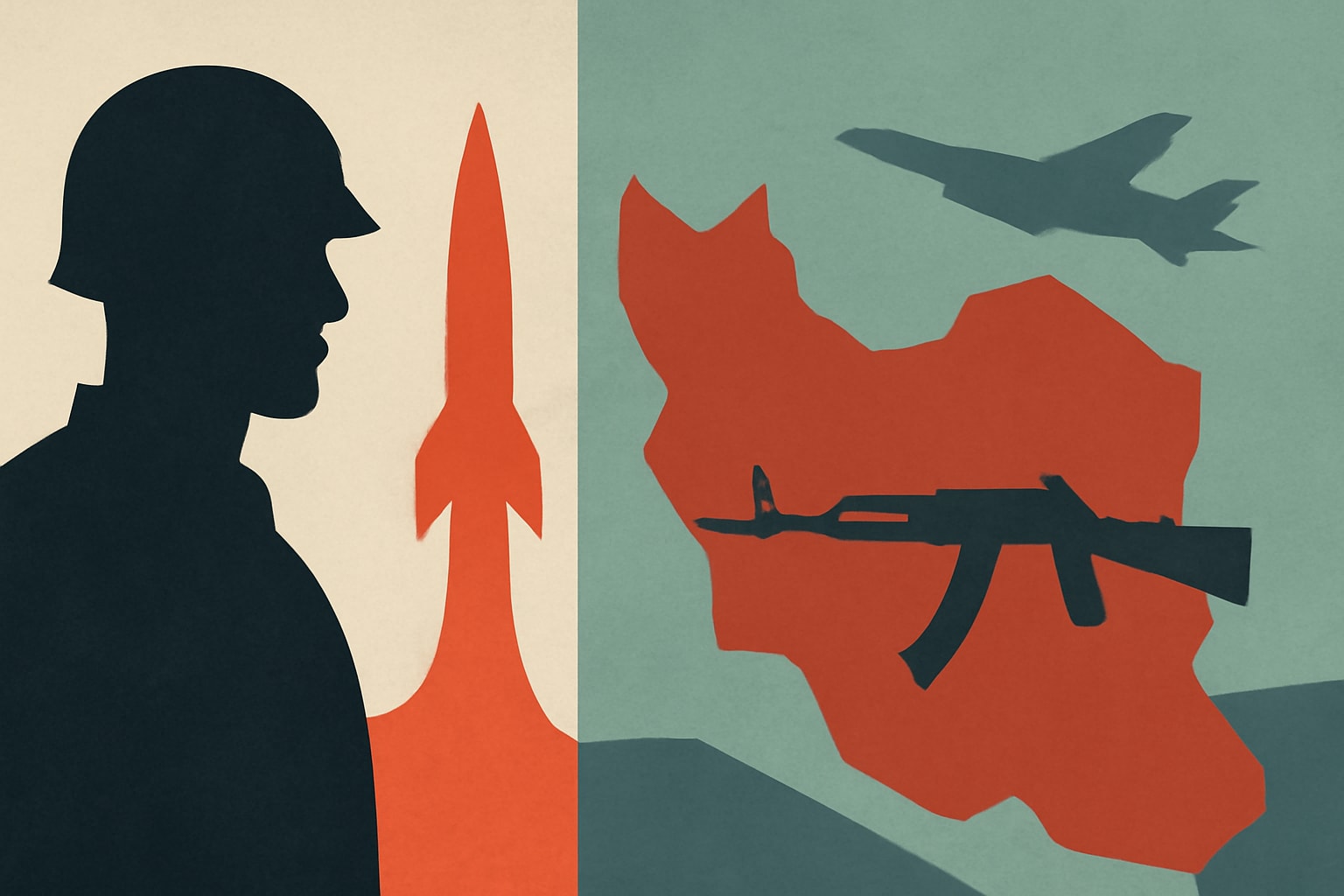
Iranian officials are emphasizing asymmetric warfare as a core strategy, raising concerns for U.S. military operations.
What's Happening
- •Iranian officials have publicly stated that asymmetric warfare is a central strategy in their military approach.
- •This strategy includes unconventional tactics aimed at countering U.S. military strengths.
- •The U.S. military is assessing the implications of these tactics for its operational readiness.
Why It Matters
The emphasis on asymmetric warfare by Iran is significant for U.S. military strategy, particularly for those stationed in the Middle East. Understanding these tactics is crucial for service members, as it directly impacts their operational planning and readiness against unconventional threats.
What Changes Now
- •U.S. military strategies may shift to incorporate more counterinsurgency training. This change is crucial for personnel deployed in areas where asymmetric tactics are prevalent.
- •Increased funding may be allocated for cyber defense initiatives. This funding will enhance the military's ability to protect critical systems from Iranian cyber threats.
- •Operational readiness assessments will likely focus on unconventional warfare scenarios. This will help prepare troops for potential engagements against asymmetric threats.
What to Watch
- •Monitor upcoming military exercises in the Middle East. These exercises will test U.S. capabilities against asymmetric tactics and provide insights into readiness levels.
- •Watch for changes in military training programs. Adjustments may be made to incorporate lessons learned from recent conflicts involving asymmetric warfare.
- •Keep an eye on intelligence reports regarding Iranian military movements. These reports will provide critical information on how Iran is adapting its strategies.
Get the Daily Briefing
Military and veteran news that actually affects you, in your inbox each morning.
More Context
- •Understanding Asymmetric Warfare: Asymmetric warfare refers to conflict where opposing forces differ significantly in military capabilities or tactics. In the case of Iran, this involves leveraging unconventional methods such as cyber warfare, proxy forces, and guerrilla tactics to counteract the technological and numerical superiority of U.S. forces. By utilizing these strategies, Iran aims to level the playing field and inflict damage without engaging in direct conventional warfare.
- •Recent Developments and Statements: In recent statements, Iranian officials have reiterated their commitment to asymmetric warfare, indicating a strategic pivot in their military doctrine. This shift is particularly relevant in the context of ongoing tensions in the Middle East, where Iran seeks to assert its influence while avoiding direct confrontation with the U.S. military. The implications of this strategy could affect U.S. force deployments and readiness in the region.
- •Implications for U.S. Military Operations: The U.S. military must adapt its strategies to counter the asymmetric tactics employed by Iran. This may involve enhanced intelligence operations, increased cyber defenses, and a focus on counterinsurgency training for troops deployed in the region. Active-duty personnel, especially those in combat arms and intelligence roles, will need to prepare for a landscape where traditional warfare is supplemented by unconventional tactics.
- •Preparation and Response Strategies: Service members and military families should stay informed about the evolving nature of threats posed by asymmetric warfare. This includes understanding the potential for increased cyber threats and the role of proxy forces in conflicts. Training programs may be updated to reflect these realities, ensuring that troops are equipped with the necessary skills to navigate this complex environment.
Frequently Asked Questions
How does Iran's asymmetric warfare affect U.S. troops?
Iran's asymmetric warfare strategies require U.S. troops to adapt their training and operational plans to counter unconventional threats effectively.
Will there be changes in military training due to these tactics?
Yes, military training programs are likely to be updated to include counterinsurgency and cyber defense tactics in response to Iran's strategies.
The Daily Briefing
Military & veteran news that actually affects you — delivered every morning.
- Pay, benefits & policy changes
- Pentagon decisions that matter
- VA updates for veterans & families
- One email. No spam. Unsubscribe anytime.
Related Stories
- Troops Will Get a Day Off to Vote or Register for November Elections— Task & Purpose
- Travis Metz to Lead DIU as Owen West Takes Leave for AutoWarCom— DefenseScoop
- Active Duty Credit Guide: Build, Protect & Boost Your Score— Military.com
- Pentagon Launches Office of Religious Affairs to Support Service Members— Military Times