How Weekend Sailors and Ex-Rumrunners Fought Nazi U-Boats Off the U.S. Coast
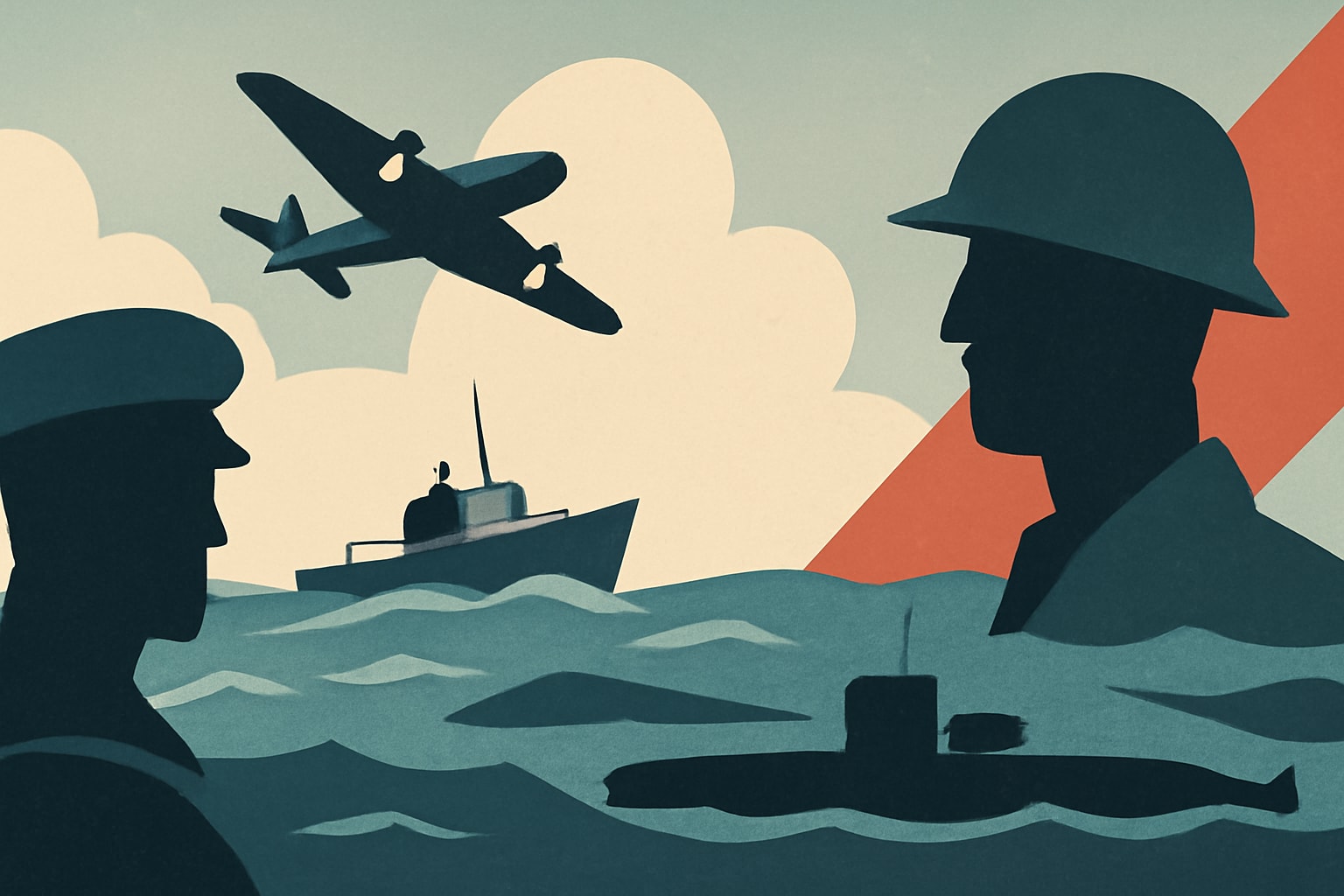
In 1942, a unique coalition of weekend sailors and former rumrunners took to the seas to combat Nazi U-boats threatening American shores.
What's Happening
- •In 1942, a yacht club commodore proposed a plan to the U.S. government to combat Nazi U-boats.
- •The initiative involved weekend sailors and ex-rumrunners using their boats for anti-submarine patrols.
- •These volunteers operated along the East Coast, contributing to the war effort during World War II.
Why It Matters
This historical account sheds light on the crucial role that civilians played in national defense during World War II, a lesson that remains relevant today. Understanding these contributions can inspire current service members and veterans to recognize the value of community involvement in military efforts.
What Changes Now
- •The recognition of civilian contributions to military efforts is being emphasized in current military training programs. This change highlights the importance of community engagement and support for national security.
- •Historical accounts like this are being integrated into educational programs for service members. This integration aims to instill a sense of pride and understanding of the civilian-military partnership in defense.
- •The U.S. Navy is exploring ways to engage civilian volunteers in modern maritime security. This initiative could lead to new programs that utilize civilian skills in support of national defense.
What to Watch
- •Upcoming military history seminars will discuss the role of civilians in wartime efforts. These seminars may provide insights into how past experiences can inform current military strategies.
- •The Department of Defense is reviewing community engagement policies. This review could lead to new initiatives that foster stronger ties between military and civilian sectors.
- •Expect new publications on the history of civilian involvement in military operations. These publications will likely highlight successful case studies, including those from World War II.
Get the Daily Briefing
Military and veteran news that actually affects you, in your inbox each morning.
More Context
- •The Call to Action: In 1942, as World War II intensified, the U.S. faced a significant threat from Nazi U-boats off its East Coast. Commodore John W. McGowan of the Shrewsbury Yacht Club recognized this danger and proposed a unique solution: mobilizing local sailors and former rumrunners to patrol the waters. This initiative was not only about defending the coast but also about utilizing the skills and resources of civilians who had experience navigating the treacherous waters.
- •Mobilizing the Weekend Warriors: The call to action attracted a diverse group of individuals, including weekend sailors and ex-rumrunners who were familiar with the sea. These volunteers were not part of the military but were eager to contribute to the war effort. They received basic training and were given the authority to engage any suspicious vessels, effectively turning them into a civilian navy. This grassroots effort showcased the commitment of ordinary Americans to protect their homeland during a time of crisis.
- •Impact on Coastal Security: The involvement of these weekend sailors had a significant impact on coastal security. Their presence helped deter U-boat attacks, as the Nazis became aware that American waters were being actively patrolled. This initiative not only boosted morale among the coastal communities but also illustrated the importance of civilian involvement in national defense. The collaboration between the military and civilians marked a pivotal moment in the U.S. response to the submarine threat.
- •Legacy of the Patrols: The legacy of these weekend sailors and ex-rumrunners extends beyond their immediate contributions during the war. Their actions highlighted the potential of civilian engagement in national security efforts, a concept that resonates today. As modern military operations increasingly rely on partnerships with civilian organizations, the story of these volunteers serves as a reminder of the vital role that everyday citizens can play in safeguarding their country.
Frequently Asked Questions
How did civilians contribute to WWII efforts?
Civilians contributed by volunteering for patrols and engaging in anti-submarine activities, greatly assisting military operations.
What can modern service members learn from this history?
Modern service members can learn the value of community involvement and the impact of civilian support on national security.
The Daily Briefing
Military & veteran news that actually affects you — delivered every morning.
- Pay, benefits & policy changes
- Pentagon decisions that matter
- VA updates for veterans & families
- One email. No spam. Unsubscribe anytime.
Related Stories
- 10 Money Habits That Can Save Military Families Thousands Per Year— Military.com
- Idaho National Guard Conducts Three Rescues in Four Days— Military Times
- 8,000 Airmen and Guardians Still Hold Medical Shaving Waivers— Air & Space Forces Magazine
- US Sanctions Against ICC Could Impact Military Personnel and Veterans— Military.com