Vietnam Veteran's Gravestone: A Stark Reminder of War's Enduring Toll
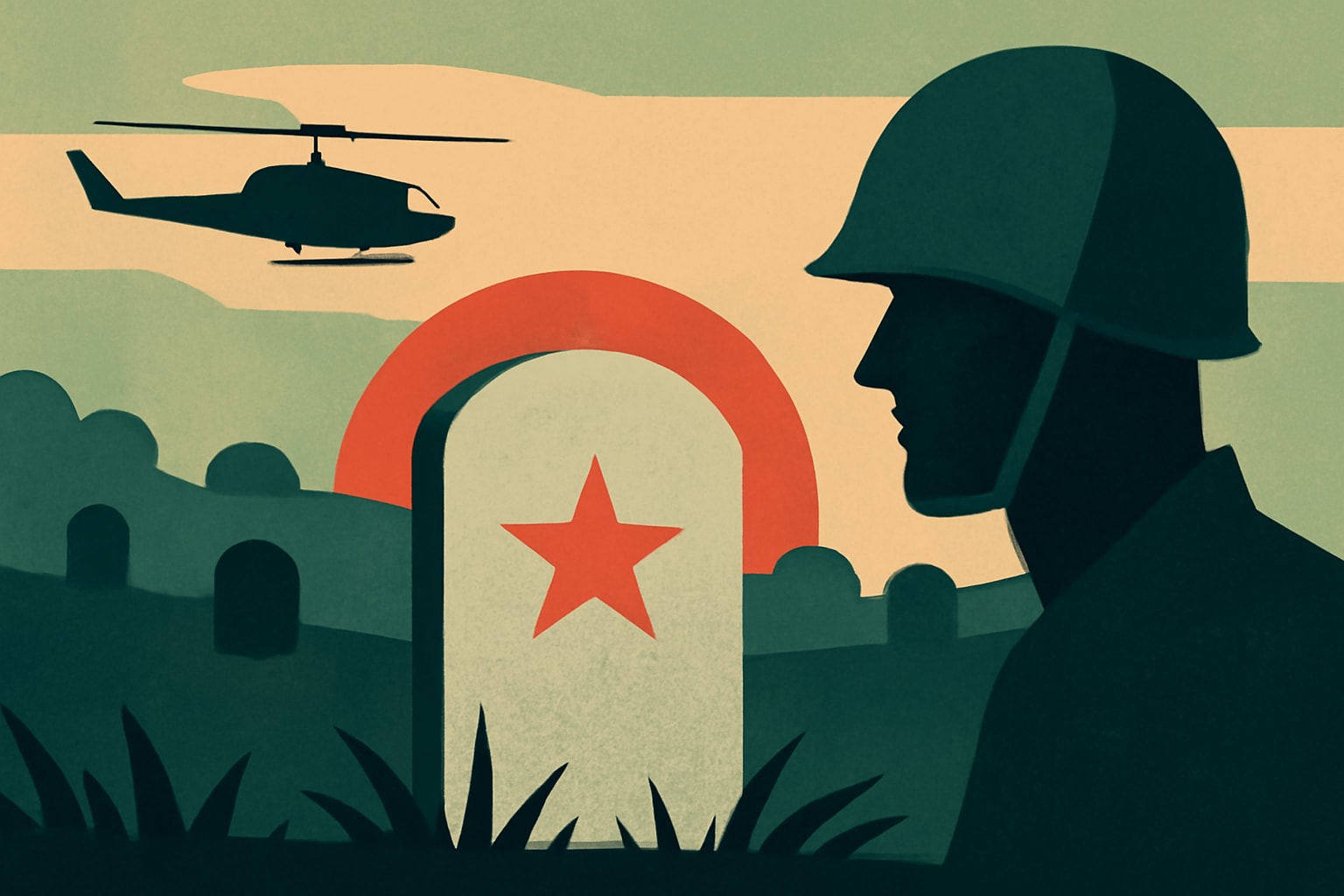
Eugene 'Gene' Marion Simmers' final resting place serves as a somber testament to the unseen wounds of the Vietnam War.
What's Happening
- •Eugene 'Gene' Marion Simmers' gravestone highlights the long-term effects of the Vietnam War on veterans.
- •Many Vietnam veterans suffer from PTSD and other mental health challenges due to their wartime experiences.
- •The Department of Veterans Affairs has expanded mental health services to support veterans.
Why It Matters
This story highlights the profound and often overlooked impact of war on veterans' mental health. It emphasizes the necessity of accessible support systems to address the invisible wounds that many veterans carry long after their service.
What Changes Now
- •There is an increased awareness of the lasting effects of war trauma. This recognition is vital for shaping policies and support systems that address veterans' mental health needs.
- •The focus on providing mental health support to veterans has intensified. This includes expanding access to resources and reducing stigma associated with seeking help.
- •The VA is enhancing its outreach programs to better serve veterans in rural areas. These efforts aim to ensure that all veterans have access to the care they need, regardless of their location.
What to Watch
- •The ongoing development of VA mental health programs is crucial. These programs will determine how effectively the VA can meet the needs of veterans facing mental health challenges.
- •The reduction of stigma around mental health care is a key focus for advocacy groups. Progress in this area will influence how veterans perceive and utilize available resources.
- •Future funding decisions for VA mental health services will be critical. These decisions will impact the availability and quality of care provided to veterans.
Get the Daily Briefing
Military and veteran news that actually affects you, in your inbox each morning.
More Context
- •The Legacy of Eugene Simmers: The gravestone of Vietnam veteran Eugene 'Gene' Marion Simmers stands as a poignant reminder of the war's enduring toll. Simmers, who served with the U.S. Army's 1st Cavalry Division, carried profound grief and trauma throughout his life. His memorial at Fort Custer National Cemetery in Augusta, Michigan, reflects the silent battles many veterans face long after returning home. These battles often revolve around the invisible wounds of war, which are frequently overlooked in discussions about veteran care.
- •The Widespread Impact of PTSD: Simmers' experience is not unique among Vietnam veterans. Many have struggled with post-traumatic stress disorder (PTSD), moral injury, and other mental health issues stemming from their service. According to the National Vietnam Veterans Readjustment Study, around 30% of Vietnam veterans experienced PTSD at some point in their lives. This often unrecognized trauma has led to chronic suffering, substance abuse, and even suicide, illustrating the urgent need for comprehensive mental health support for veterans.
- •The Evolution of Support Services: In recent years, the Department of Veterans Affairs (VA) has made significant strides in expanding mental health services. The VA now offers specialized PTSD treatment programs, substance abuse counseling, and readjustment counseling at medical centers and outpatient clinics nationwide. In fiscal year 2023, the VA allocated over $13 billion to mental health services, marking a substantial increase from previous decades. Despite these advancements, challenges remain in reaching all veterans, particularly those in rural areas or those hesitant to seek help.
- •Lessons for Current and Future Generations: The experiences of Vietnam veterans like Simmers provide valuable lessons for today's service members. While stigma surrounding mental health has decreased, rates of PTSD and other issues remain high among veterans of recent conflicts, such as Iraq and Afghanistan. The unique challenges faced by these veterans, including traumatic brain injuries from improvised explosive devices, highlight the need for tailored support. It is crucial for veterans to recognize that seeking help is a sign of strength, not weakness.
- •Resources for Veterans: For current service members and veterans, Simmers' story emphasizes the importance of utilizing available resources. The Veterans Crisis Line offers confidential support 24/7 at 988, pressing 1 for immediate assistance. Additionally, organizations like the Wounded Warrior Project and Iraq and Afghanistan Veterans of America provide advocacy and support for veterans and their families. Engaging with these resources can foster a culture of resilience and support within the military community.
Veteran Take
For those who've served in Vietnam, the scars we carry often remain hidden from view, echoing long after the guns have fallen silent. This gravestone is a poignant reminder that the fight doesn't end when we leave the battlefield; many of us continue to grapple with the mental health challenges that arise from our experiences. It's crucial that we advocate for better support systems to ensure that no veteran feels alone in their struggle.
The Daily Briefing
Military & veteran news that actually affects you — delivered every morning.
- Pay, benefits & policy changes
- Pentagon decisions that matter
- VA updates for veterans & families
- One email. No spam. Unsubscribe anytime.
Related Stories
- 2026 Veterans Day Travel Discounts for Military Members— Military.com
- VA Dental Patients Face Waits of Up to Two Months for Appointments— Task & Purpose
- Dolly Parton, Dead at 80, Spent Decades Supporting US Troops and Veterans— Military.com
- Veteran Suicides Declined in 2024 for Second Straight Year— Army Times