Veterans in VA Care Targeted by Inmate in Elaborate Phone Scam
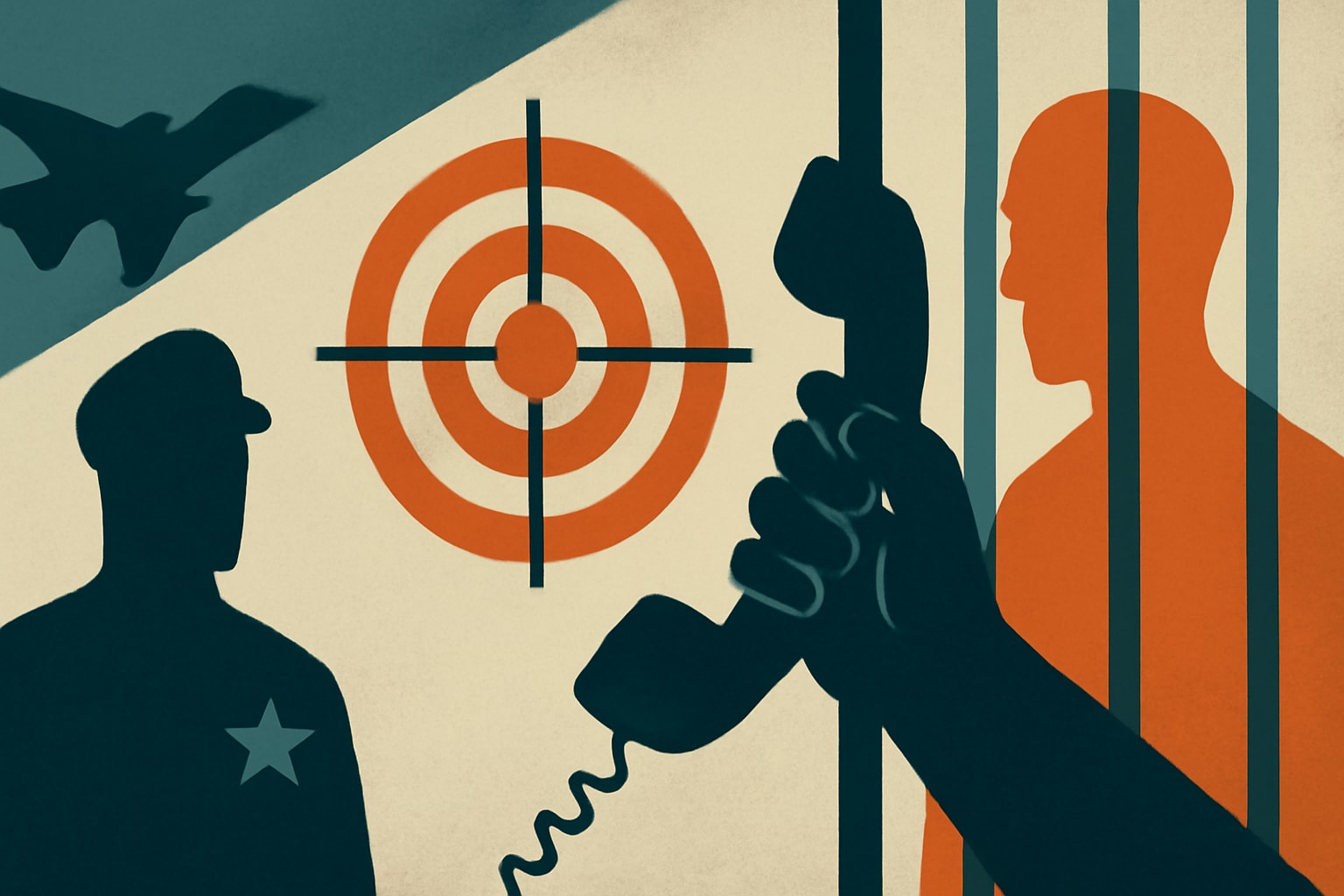
A Washington inmate has been scamming seriously ill veterans at VA facilities, tricking staff into revealing personal information.
What's Happening
- •An inmate in a Washington jail has been targeting veterans in VA care.
- •The scam involved deceiving VA staff into disclosing personal information.
- •Seriously ill veterans were specifically targeted in this elaborate scheme.
Why It Matters
This incident underscores the vulnerabilities that veterans face, particularly those receiving care at VA facilities. With the potential for identity theft and financial fraud, it is crucial for both veterans and VA staff to be aware of these scams and take preventative measures.
What Changes Now
- •VA facilities are expected to enhance their verification processes for handling sensitive information. This change aims to prevent future scams and protect veterans' personal data.
- •Staff training programs will be updated to include specific scenarios related to phone scams. This is essential to ensure that employees can recognize and respond appropriately to suspicious calls.
- •Veterans are encouraged to report any suspicious calls to the VA immediately. This proactive measure can help mitigate the risks associated with identity theft and fraud.
What to Watch
- •Monitor for updates on VA security protocols in response to this scam. Changes may be implemented in the coming weeks to enhance the protection of veterans' information.
- •Watch for announcements regarding new training programs for VA staff. These programs are likely to be rolled out soon to address vulnerabilities exposed by this incident.
- •Stay informed about potential legislative actions aimed at improving fraud protection for veterans. Lawmakers may respond to this incident with new measures to safeguard veterans' personal information.
Get the Daily Briefing
Military and veteran news that actually affects you, in your inbox each morning.
More Context
- •Details of the Scam: The phone scam orchestrated by the inmate involved impersonating VA officials to extract sensitive information from staff members. The scammer's tactics included creating a sense of urgency and using official-sounding language to manipulate the staff into compliance. This deception not only compromised the personal information of the veterans but also raised serious concerns about the security protocols in place at VA facilities.
- •Impact on Veterans: Veterans, particularly those who are seriously ill and may be vulnerable, are at high risk of falling victim to such scams. This incident highlights the need for increased awareness and training among VA staff to recognize and prevent similar scams in the future. The emotional and financial toll on veterans can be significant, as they may face identity theft or fraud as a result of such breaches.
- •Preventative Measures: In response to this incident, VA facilities are urged to implement stricter verification processes when handling sensitive information. Staff training programs should be enhanced to include specific scenarios related to phone scams, ensuring that employees are prepared to identify and report suspicious calls. Additionally, veterans themselves should be educated on how to recognize potential scams and protect their personal information.
- •What Veterans Can Do: Veterans should remain vigilant and report any suspicious calls or requests for personal information to the VA immediately. They can also take proactive steps to safeguard their information, such as monitoring their credit reports and using identity theft protection services. By staying informed and cautious, veterans can better protect themselves against scams like this one.
Frequently Asked Questions
How can I report a suspicious call I received?
You can report suspicious calls to your local VA facility's security office or call the VA's main hotline for assistance.
What should I do if I think my personal information has been compromised?
If you suspect your information has been compromised, contact your bank and credit reporting agencies immediately to monitor for fraudulent activity.
Veteran Take
For those who've served, it’s disheartening to see our community targeted in such a deceitful way. Veterans already face numerous challenges, and the last thing we need is to worry about being scammed while seeking care. This incident serves as a stark reminder that we must remain vigilant and proactive in protecting our personal information, both for ourselves and our fellow veterans.
The Daily Briefing
Military & veteran news that actually affects you — delivered every morning.
- Pay, benefits & policy changes
- Pentagon decisions that matter
- VA updates for veterans & families
- One email. No spam. Unsubscribe anytime.
Related Stories
- 2027 Sees Largest Cost-of-Living Increase for Veterans and Retirees— Military Times
- Army Veteran Turns Military Experience into Thriving Tire Business— Military.com
- VA to Implement New Psychotropic Medication Consent Changes in 2027— Military.com
- Moral Injury: The Hidden Cost of AI Warfare— Task & Purpose