Veterans Face Higher Hurdles in Military Sexual Trauma Claims
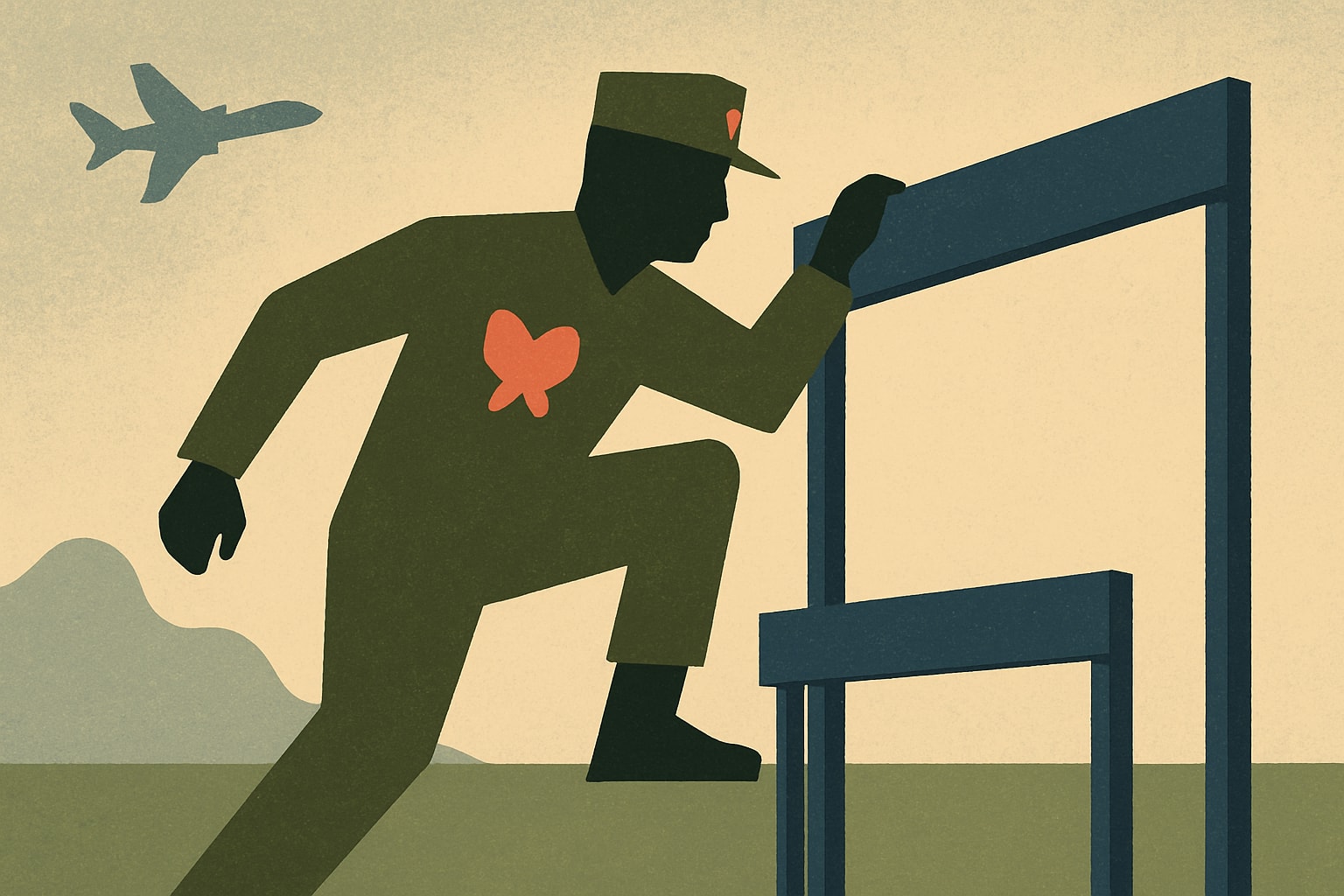
A recent report highlights the obstacles veterans encounter when seeking disability compensation for military sexual trauma.
What's Happening
- •Veterans filing claims for military sexual trauma face significant barriers.
- •The report outlines systemic issues within the claims process.
- •Many veterans report feeling discouraged from pursuing their claims.
Why It Matters
The challenges faced by veterans in filing military sexual trauma claims highlight systemic issues within the VA that can prevent deserving individuals from receiving essential benefits. Addressing these barriers is critical for ensuring that veterans receive the support they need for their service-connected conditions.
What Changes Now
- •The VA may implement new policies to streamline the claims process for military sexual trauma. This change is significant as it could reduce the emotional burden on veterans seeking benefits.
- •Veterans Service Organizations may increase their outreach efforts to assist veterans with MST claims. This support can help veterans feel more empowered to pursue their claims.
- •The report's findings could lead to increased funding for training VA staff on military sexual trauma. Improved training is essential for ensuring that claims are handled with the sensitivity and understanding they require.
What to Watch
- •Monitor any announcements from the VA regarding changes to the claims process for military sexual trauma. These announcements could come within the next few months as the VA responds to the report.
- •Watch for updates from Veterans Service Organizations on new resources available for veterans filing MST claims. These updates may include workshops or informational sessions aimed at educating veterans.
- •Keep an eye on legislative discussions surrounding veterans' benefits related to military sexual trauma. Changes in legislation could significantly impact how claims are processed and what support is available.
Get the Daily Briefing
Military and veteran news that actually affects you, in your inbox each morning.
More Context
- •Barriers to Claim Approval: Veterans seeking disability compensation for military sexual trauma (MST) encounter numerous obstacles that complicate their claims process. According to the report, these barriers include a lack of clear guidance on documentation requirements and insufficient training for claims adjudicators. Veterans often feel overwhelmed by the complex nature of the claims process, which can deter them from pursuing their rights. The emotional toll of reliving traumatic experiences during the claims process adds to their challenges, making it essential for the Department of Veterans Affairs (VA) to streamline procedures and provide better support.
- •Impact on Specific Groups: Active duty service members, particularly female personnel and junior enlisted ranks (E-1 to E-4), are disproportionately affected by military sexual trauma. This demographic often faces additional stigma and challenges in reporting incidents, which can hinder their ability to file claims later. The report highlights that veterans from these groups report feeling isolated and unsupported, which can exacerbate mental health issues. Addressing the unique needs of these service members is crucial for improving their access to necessary benefits.
- •Practical Steps for Veterans: Veterans looking to file claims for military sexual trauma should first gather all relevant documentation, including service records and any medical evidence. It is advisable to reach out to a Veterans Service Organization (VSO) for assistance in navigating the claims process. These organizations can provide guidance on completing forms such as VA Form 21-526EZ, which is specifically for disability compensation claims. Additionally, veterans should be aware of their rights to appeal if their claims are denied, as this process can often lead to successful outcomes with the right support.
- •What Changes Now?: The report's findings may prompt the VA to reevaluate its current policies regarding military sexual trauma claims. If changes are implemented, veterans can expect clearer guidelines and better training for claims processors. This could lead to a more supportive environment for veterans seeking to file claims, ultimately improving their chances of receiving the benefits they deserve.
Frequently Asked Questions
What should I do if my MST claim is denied?
If your claim is denied, you can file an appeal with the VA. It's recommended to seek assistance from a Veterans Service Organization to help you navigate the appeals process.
Are there specific forms I need for MST claims?
Yes, you will need to complete VA Form 21-526EZ for disability compensation claims related to military sexual trauma.
Can I get help filing my MST claim?
Yes, Veterans Service Organizations can provide assistance in filing your claim and understanding the process.
Key Takeaways
- •Veterans face significant barriers when filing claims for military sexual trauma.
- •Active duty personnel, especially junior enlisted, are disproportionately affected.
- •Support from Veterans Service Organizations is crucial for navigating the claims process.
The Daily Briefing
Military & veteran news that actually affects you — delivered every morning.
- Pay, benefits & policy changes
- Pentagon decisions that matter
- VA updates for veterans & families
- One email. No spam. Unsubscribe anytime.
Related Stories
- Veterans Can Claim Life Insurance Benefits Despite Mental Health Challenges— Military.com
- VA and Tricare Coverage for Ozempic, Wegovy, Mounjaro, and Zepbound— Military.com
- VA Education Benefit Offers More Than the GI Bill—Many Veterans Unaware— Military.com
- What to Do With Your First Civilian Paycheck after Military Separation— Military.com