Veteran Homelessness Declined by Just 1% in 2024
The slow decline in veteran homelessness signals ongoing challenges despite previous improvements.
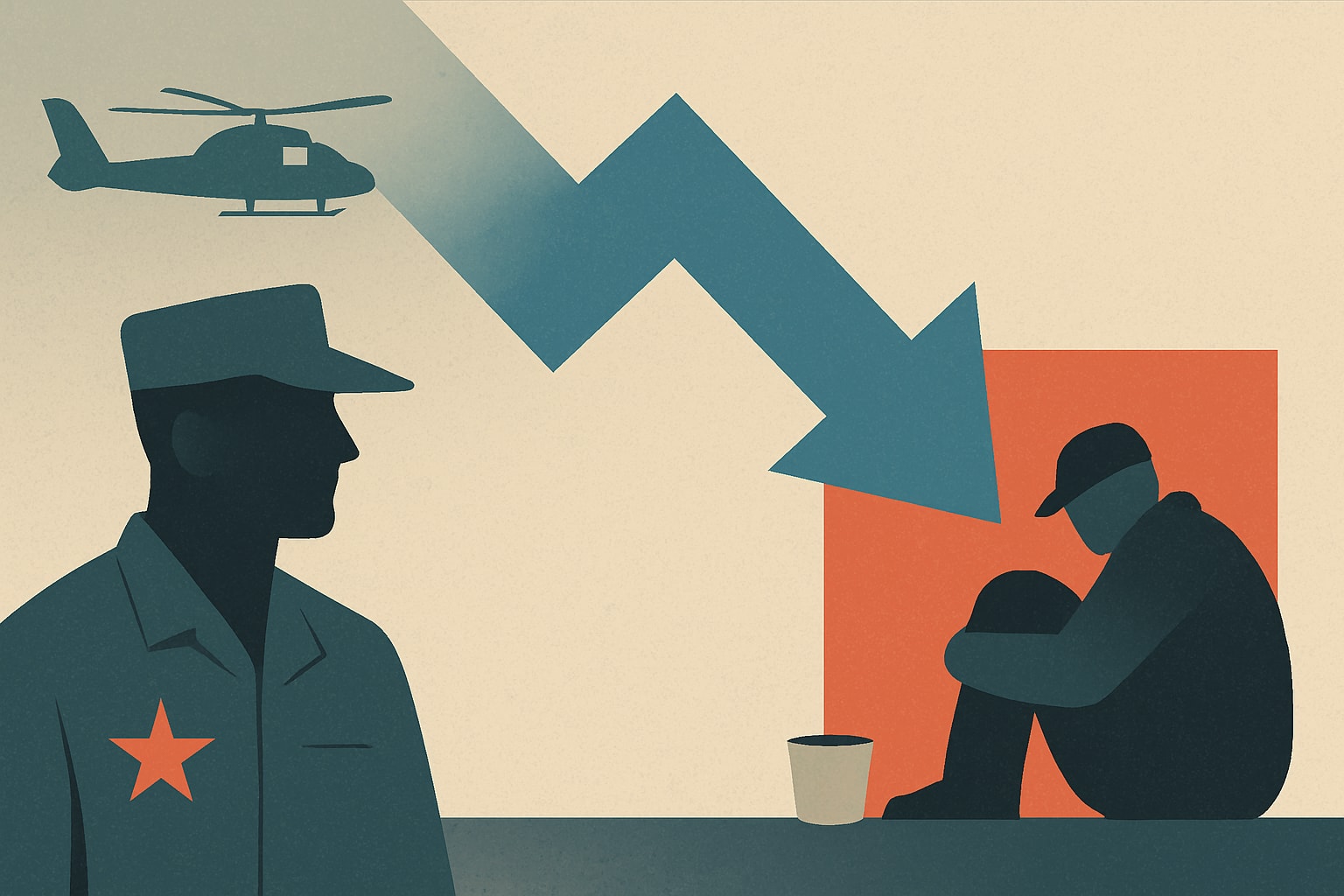
What's Happening
- •Veteran homelessness decreased by only 1% in 2024, reflecting a significant slowdown in progress.
- •This decline is notably less than previous years, indicating persistent challenges in addressing homelessness.
- •The total number of homeless veterans remains significantly lower than the peak in 2010.
Why It Matters
The slow decline in veteran homelessness highlights ongoing challenges in providing adequate support for those who have served. With many veterans still facing housing instability, it is crucial for military families and communities to advocate for effective solutions and resources.
What Changes Now
- •The slow decline in veteran homelessness indicates a need for renewed focus on effective strategies. Veterans and advocates should push for more funding and innovative programs to address the root causes of homelessness.
- •Veterans can access resources like the HUD-VASH program to help secure housing. It's important for them to reach out to local VA offices or visit the VA website to learn about available assistance.
- •Community organizations are stepping up to provide additional support for homeless veterans. Veterans should connect with these organizations to explore all available options for housing and employment assistance.
What to Watch
- •The 2025 HUD report on veteran homelessness will be released in mid-2025. This report will be crucial for assessing the effectiveness of current initiatives and identifying areas needing improvement.
- •Legislative efforts aimed at increasing funding for veteran services are underway. The outcomes of these efforts could significantly influence future homelessness rates among veterans.
- •Community outreach programs are evolving to better support homeless veterans. Observing these changes will help gauge the effectiveness of local initiatives.
Get the Daily Briefing
Military and veteran news that actually affects you, in your inbox each morning.
More Context
- •Current State of Veteran Homelessness: The recent report on veteran homelessness reveals a troubling trend: a mere 1% decrease in 2024. This marks a stark contrast to the more substantial declines seen in previous years, suggesting that efforts to combat homelessness among veterans are losing momentum. While the total number of homeless veterans is still significantly lower than the peak in 2010, the stagnation in progress raises concerns about the effectiveness of current initiatives. The data underscores the need for renewed focus and innovative strategies to address the root causes of homelessness among those who have served.
- •Impact on Specific Groups: The slowing decline in veteran homelessness particularly affects low-income veterans, including those in the E-1 to E-4 pay grades, who often struggle with financial instability. Additionally, veterans with disabilities and those transitioning from military to civilian life are disproportionately represented in the homeless population. These groups face unique challenges that require targeted assistance, such as job training programs and housing support tailored to their specific needs. Understanding the demographics of homeless veterans is crucial for policymakers and service organizations to develop effective solutions.
- •Practical Implications for Veterans: For veterans currently facing homelessness or at risk, it is essential to know the available resources. Programs through the Department of Veterans Affairs (VA) provide housing assistance, including the HUD-VASH program, which combines housing vouchers with supportive services. Veterans can apply for these resources through the VA’s website or by contacting local VA offices. Furthermore, community organizations often offer additional support, and veterans are encouraged to reach out for assistance as soon as possible to prevent homelessness.
- •What to Watch Moving Forward: As we look ahead, the upcoming 2025 HUD report on veteran homelessness will be critical in assessing the effectiveness of current strategies. This report, expected in mid-2025, will provide insights into whether recent initiatives have had a meaningful impact. Additionally, legislative efforts aimed at increasing funding for veteran services are underway, and their outcomes could significantly influence future homelessness rates among veterans. Stakeholders should monitor these developments closely to understand their implications for veteran support.
Frequently Asked Questions
What resources are available for homeless veterans?
Veterans can access programs like HUD-VASH, which provides housing vouchers and supportive services through the VA.
How can I apply for housing assistance as a veteran?
Veterans can apply for housing assistance through the VA's website or by contacting their local VA office for guidance.
Are there specific programs for low-income veterans?
Yes, there are targeted programs designed to assist low-income veterans, including financial aid and job training initiatives.
Veteran Take
For those who've served, seeing only a 1% decline in veteran homelessness is disheartening. It underscores the persistent struggle many of us face even after our service. We need to rally together and push for real solutions that address the root causes of this issue, ensuring that no veteran is left behind.
The Daily Briefing
Military & veteran news that actually affects you — delivered every morning.
- Pay, benefits & policy changes
- Pentagon decisions that matter
- VA updates for veterans & families
- One email. No spam. Unsubscribe anytime.
Related Stories
- 2027 Sees Largest Cost-of-Living Increase for Veterans and Retirees— Military Times
- Army Veteran Turns Military Experience into Thriving Tire Business— Military.com
- Connecticut Receives $600,000 VA Grant to Expand Veterans Cemetery With 1,510 Burial Plots— Military.com
- VA to Implement New Psychotropic Medication Consent Changes in 2027— Military.com