VA Raises Oracle’s Contract Cap to $27 Billion Amid EHR Rollout Concerns
As the VA plans to double its electronic health record rollout in 2027, auditors are questioning the $56.5 billion estimate.
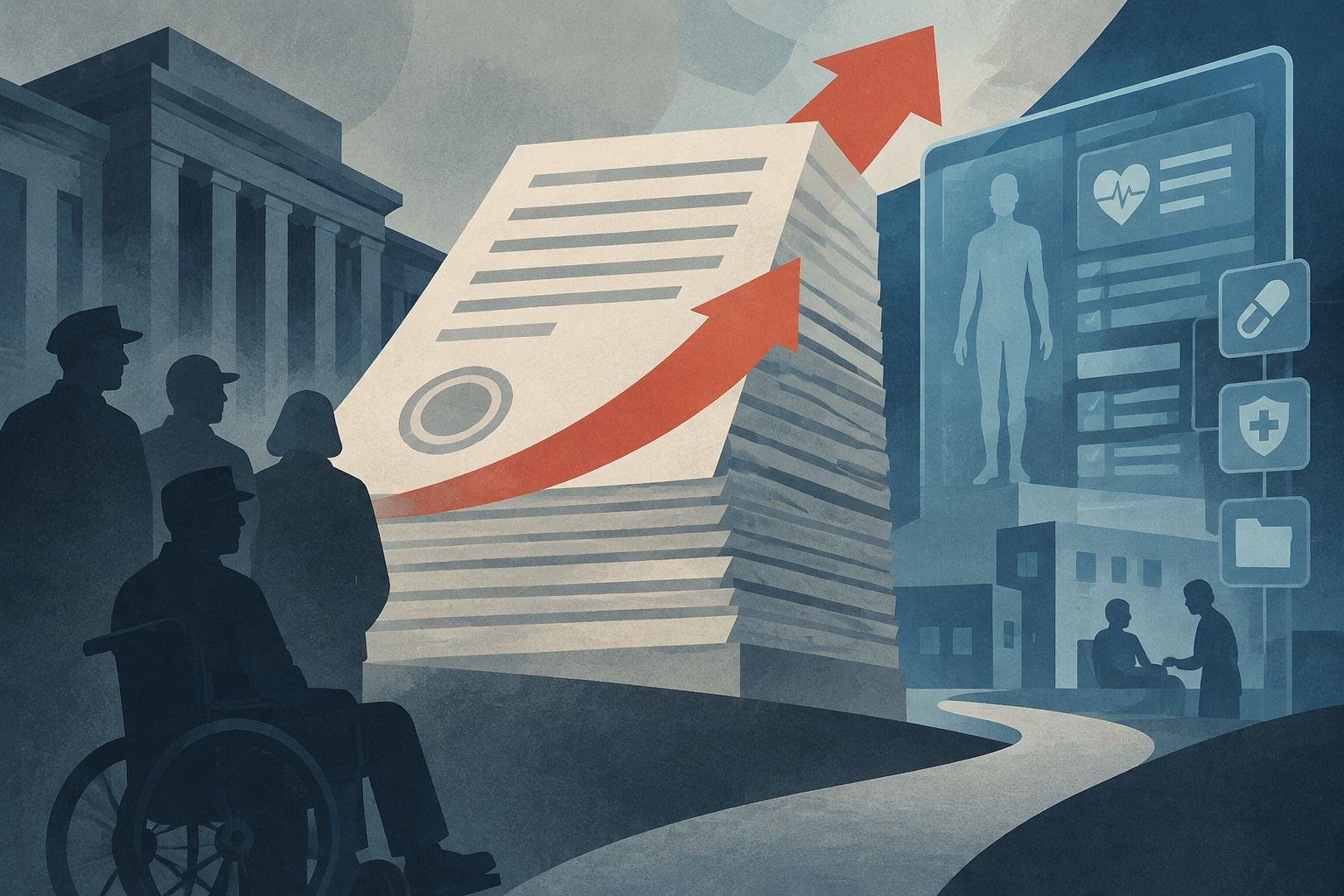
What's Happening
- •The VA has increased Oracle's contract cap to $27 billion to support the electronic health record (EHR) system rollout.
- •Federal auditors are currently unable to verify the costs associated with the EHR implementation.
- •The VA plans to double the rollout of the EHR system in 2027, expanding its reach across facilities.
Why It Matters
The expansion of the VA's electronic health record system is a critical step towards improving healthcare delivery for veterans. As the VA increases its investment in this technology, it is essential to ensure that the funds are used effectively to enhance the quality of care and maintain the trust of those who have served.
What Changes Now
- •The VA's contract with Oracle has been raised to $27 billion, which will fund the expansion of the EHR system. This change is expected to enhance the capabilities of the VA's healthcare delivery but raises concerns about cost management.
- •The VA plans to double the rollout of the EHR system in 2027. This expansion aims to improve access to medical records for veterans, potentially leading to better healthcare outcomes.
- •Auditors are currently unable to verify the costs associated with the EHR rollout. This lack of verification could lead to increased scrutiny and calls for greater accountability in the management of VA contracts.
What to Watch
- •Upcoming announcements from the VA regarding the EHR rollout timeline. These updates will provide veterans with insights into when they can expect improvements in healthcare access.
- •Federal audits on the EHR implementation costs will continue to be released. The findings from these audits could influence future funding and policy decisions regarding veteran healthcare.
- •Monitoring for feedback from veterans on the effectiveness of the EHR system as it rolls out. This feedback will be crucial for assessing the impact of the new system on patient care.
Get the Daily Briefing
Military and veteran news that actually affects you, in your inbox each morning.
More Context
- •Overview of the EHR Rollout: The Department of Veterans Affairs (VA) has committed to a significant expansion of its electronic health record (EHR) system, which aims to streamline and enhance the delivery of healthcare services to veterans. This expansion is part of a broader initiative to modernize the VA's healthcare infrastructure, ensuring that veterans receive timely and accurate medical information. However, the rollout has faced challenges, including criticism over its cost and effectiveness, raising concerns among stakeholders about the management of taxpayer funds.
- •Implications for Veterans and Service Members: This increase in the contract cap is particularly relevant for veterans, especially those who rely on the VA for their healthcare needs. The doubling of the EHR rollout in 2027 may lead to improved access to medical records and more coordinated care, which is crucial for service members transitioning to civilian life. However, the inability of auditors to verify the costs associated with this project raises questions about fiscal responsibility and the potential impact on future funding for veteran services.
- •Challenges Ahead: As the VA moves forward with this expansion, it must address the concerns raised by federal auditors regarding the financial aspects of the EHR rollout. Ensuring transparency and accountability will be essential to maintain trust among veterans and taxpayers alike. Additionally, the VA will need to ensure that the implementation process does not disrupt existing healthcare services, which could negatively affect patient care during the transition.
- •What Veterans Should Monitor: Veterans and service members should keep an eye on updates regarding the EHR rollout, particularly any announcements from the VA about timelines and implementation phases. Understanding how these changes will affect their healthcare access is crucial, especially for those who may experience delays or changes in service. It is also important for veterans to stay informed about any potential changes in funding or resources that could impact their care.
Frequently Asked Questions
How will the EHR rollout affect my healthcare access?
The EHR rollout aims to improve access to your medical records, which should enhance the coordination of your care.
Will there be delays in my healthcare services during the rollout?
While the VA is working to minimize disruptions, some veterans may experience temporary delays as the new system is implemented.
What should I do if I encounter issues with my medical records?
If you experience issues, contact your VA healthcare provider directly for assistance and report the problem to ensure it is addressed.
The Daily Briefing
Military & veteran news that actually affects you — delivered every morning.
- Pay, benefits & policy changes
- Pentagon decisions that matter
- VA updates for veterans & families
- One email. No spam. Unsubscribe anytime.
Related Stories
- Oracle CEO Testifies on $17 Billion Overrun in VA Contract— Military Times
- Airbnb Nonprofit Partnerships Support Veterans Requiring Housing and Medical Care— Military.com
- Building Financial Independence: Essential Habits for Active Duty Service Members— Military.com
- Special Forces Veteran Chris Cathers Connects with Chris Pratt Amid Cancer Battle— Task & Purpose