VA Inventory Report Reveals 367 AI Systems Enhancing Services
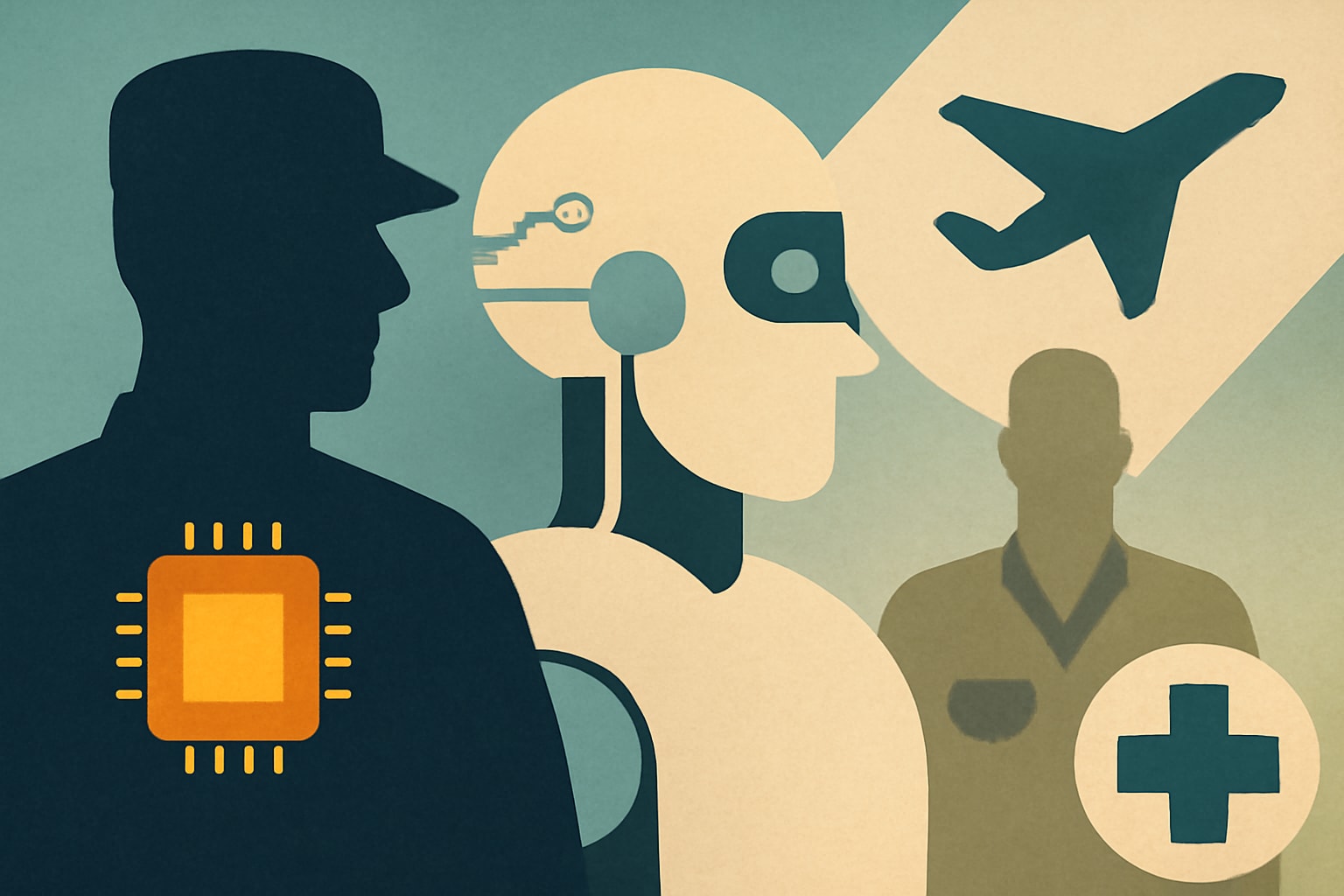
A recent report details the integration of AI technologies within the VA to improve healthcare and benefits processing.
What's Happening
- •The VA has identified 367 AI systems currently in operation across its healthcare and benefits services.
- •These systems range from clinical tools for patient care to automated processes for benefits administration.
- •The report highlights the VA's commitment to leveraging technology to enhance service delivery for veterans.
Why It Matters
The integration of AI into VA services represents a significant advancement in how veterans receive care and benefits. By improving efficiency and accuracy, these technologies can lead to better health outcomes and faster access to essential services, which is critical for the well-being of veterans and their families.
What Changes Now
- •The VA's implementation of AI systems means that veterans can expect quicker responses to healthcare inquiries. This improvement is crucial for those with urgent medical needs, as it allows for more timely interventions.
- •With the introduction of automated benefits processing, veterans may experience reduced wait times for claims approval. This change is particularly important for veterans facing financial difficulties who rely on timely access to their benefits.
- •Healthcare providers within the VA will have access to advanced AI tools that improve diagnostic accuracy. This enhancement is expected to lead to better health outcomes for veterans through more precise and timely treatments.
What to Watch
- •Upcoming assessments of AI systems will determine their effectiveness in meeting veterans' needs. The VA is expected to release findings on these assessments within the next year, which will inform future AI developments.
- •New AI tools are anticipated to be rolled out in phases, with specific timelines yet to be announced. Stakeholders should monitor VA communications for updates on these tools and their implementation dates.
- •The VA's ongoing evaluation of AI technologies may lead to adjustments in service delivery models. Veterans should stay informed about any changes that could affect their access to care and benefits.
Get the Daily Briefing
Military and veteran news that actually affects you, in your inbox each morning.
More Context
- •Overview of AI Integration in the VA: The recent inventory report from the Department of Veterans Affairs (VA) reveals a significant investment in artificial intelligence (AI) technologies, with 367 systems currently operational. These AI systems are designed to improve various aspects of veteran care, including clinical decision-making, patient management, and the processing of benefits claims. By utilizing AI, the VA aims to streamline operations, reduce wait times, and enhance the overall quality of services provided to veterans and their families.
- •Impact on Healthcare Delivery: AI technologies are being integrated into clinical settings to assist healthcare providers in diagnosing and treating veterans. For example, AI-driven tools can analyze patient data to identify potential health issues more quickly than traditional methods. This not only improves patient outcomes but also allows healthcare professionals to allocate their time more effectively, focusing on direct patient care rather than administrative tasks.
- •Enhancements in Benefits Processing: The report also emphasizes the role of AI in automating benefits processing, which has historically been a slow and cumbersome task. AI systems can analyze claims data, detect patterns, and expedite the approval process for veterans seeking benefits. This improvement is particularly crucial for veterans who may be facing financial hardships and need timely access to their entitled benefits.
- •Future Developments to Monitor: As the VA continues to expand its use of AI, service members and veterans should stay informed about upcoming developments. The VA plans to conduct ongoing assessments of AI systems to ensure they meet the needs of users effectively. Stakeholders should watch for announcements regarding new AI tools and their expected rollout dates, as these could significantly impact how veterans interact with VA services.
Frequently Asked Questions
Will AI improve my access to VA healthcare?
Yes, AI is expected to streamline healthcare processes, leading to faster responses and improved access to services.
How will AI affect my benefits claims process?
AI will automate parts of the claims process, which should reduce wait times and expedite approvals for veterans seeking benefits.
What should I do if I have concerns about AI in VA services?
Veterans can reach out to their local VA office or contact the VA's helpline to express concerns or ask questions about AI implementations.
Veteran Take
For those who've served, the promise of AI in the VA is a welcome development. We know all too well the frustrations of navigating a complex system, and if these technologies can streamline processes and improve our care, then that's a step in the right direction. However, it's vital that these advancements are implemented thoughtfully, ensuring they truly meet the needs of veterans and their families.
The Daily Briefing
Military & veteran news that actually affects you — delivered every morning.
- Pay, benefits & policy changes
- Pentagon decisions that matter
- VA updates for veterans & families
- One email. No spam. Unsubscribe anytime.
Related Stories
- Nominees Commit to Veterans During Key Appeals Hearing— Military Times
- Gold Star Spouse Advocates for Love Lives On Act Amid Remarriage Concerns— Military.com
- Veterans Charity Sued by NY Attorney General for Allegedly Pocketing $50,000— Military.com
- Senator Introduces Bill to Stop VA from Recouping Separation Pay from Disabled Veterans— Army Times