Pentagon Warns U.S. Troops Targeted by Commercial Location Data
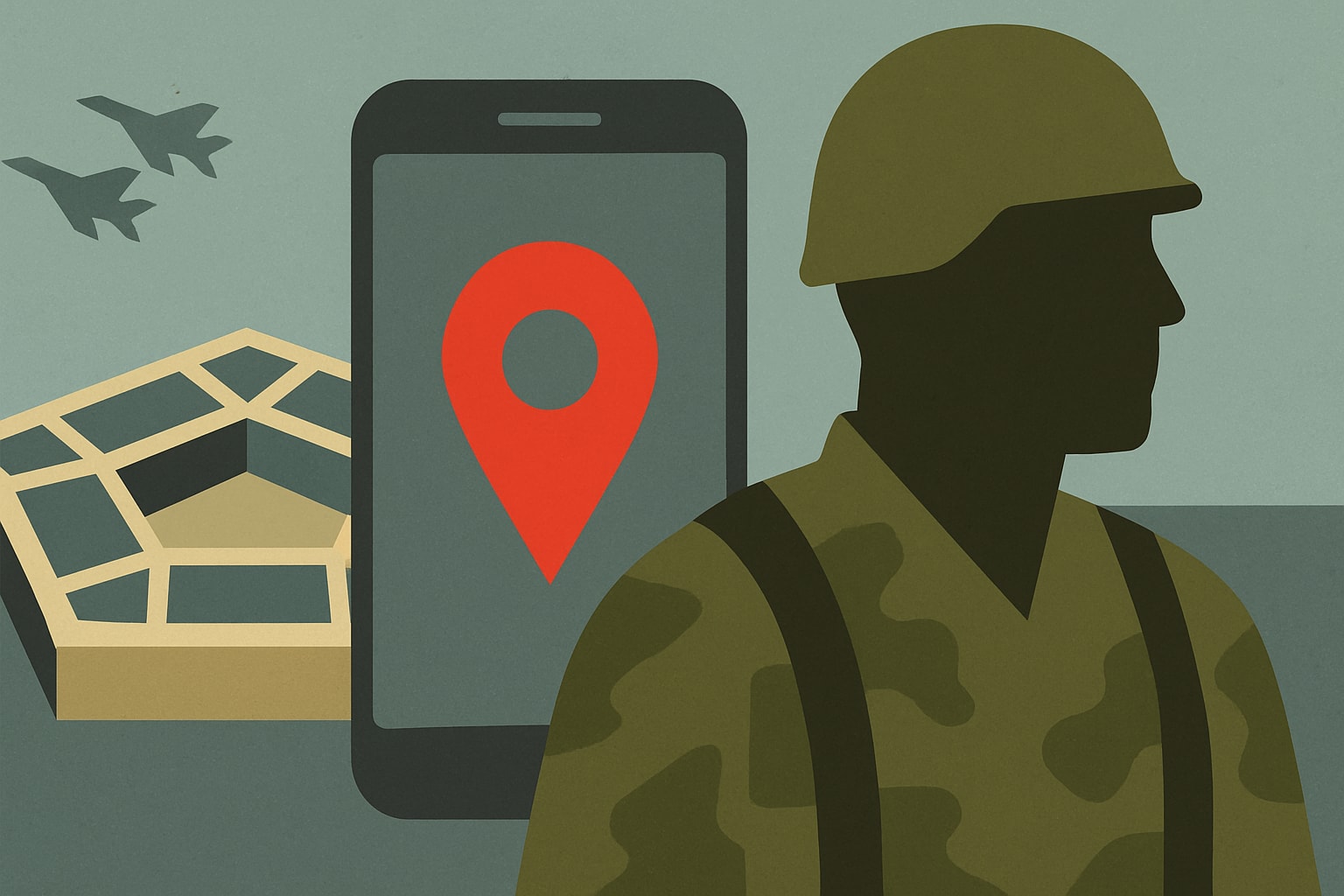
Military officials report that U.S. forces deployed in war zones are being targeted through commercially available location data.
What's Happening
- •U.S. military officials have reported that troops in combat zones are being targeted using location data.
- •The data in question is commercially available, raising concerns about operational security.
- •This targeting could potentially endanger the lives of service members deployed in these areas.
Why It Matters
The use of commercially available location data to target U.S. troops represents a serious threat to military operations and personnel safety. For service members and their families, understanding these risks is crucial to maintaining security and ensuring the effectiveness of missions in combat zones.
What Changes Now
- •Service members must review and enhance their personal security practices. This includes disabling location services on devices to prevent tracking.
- •Commanders are expected to reinforce operational security training among troops. This training will focus on protecting sensitive information from adversaries.
- •New guidelines regarding personal device usage in combat zones are anticipated. These guidelines aim to mitigate risks associated with location data exposure.
What to Watch
- •Upcoming military guidelines on personal device usage are expected within the next few months. These guidelines will address how troops can protect themselves from location tracking.
- •Congress may hold hearings on the implications of commercial data usage for national security. These hearings could lead to legislative changes affecting military data practices.
- •Military leaders are likely to issue updated operational security protocols soon. This will ensure that all service members are aware of the risks associated with location data.
Get the Daily Briefing
Military and veteran news that actually affects you, in your inbox each morning.
More Context
- •Understanding the Threat: The Pentagon's recent disclosure highlights a significant security threat to U.S. forces deployed in combat zones. Military officials are increasingly concerned that adversaries are leveraging commercially available location data to track and target service members. This data can include information from mobile devices, social media, and various applications that utilize GPS technology. Such vulnerabilities underscore the need for heightened awareness and operational security among troops.
- •Who Is Affected?: The targeting of U.S. troops through location data primarily affects those deployed in active combat zones, including Active Duty E-5 to E-7 infantry soldiers and Special Forces personnel. These ranks often engage in missions where operational security is paramount, and the risk of being tracked can compromise their safety and mission success. Additionally, support personnel in these areas, such as logistics and medical staff, may also be at risk as they often share their locations for operational coordination.
- •Immediate Changes for Service Members: In light of these threats, service members are advised to review their personal security practices. This includes disabling location services on personal devices and being cautious about sharing location information on social media. Commanders are expected to reinforce training on operational security measures, emphasizing the importance of protecting sensitive information that could be exploited by adversaries. These changes aim to mitigate risks and enhance the safety of troops in the field.
- •What to Watch Moving Forward: Military leaders will likely implement new guidelines regarding the use of personal devices in combat zones. These guidelines could be announced within the next few months as part of ongoing efforts to enhance troop safety. Additionally, Congress may hold hearings to address the implications of commercial data usage on national security, which could lead to legislative changes affecting how data is accessed and utilized by military personnel.
Frequently Asked Questions
Does this affect Guard members on Title 10 orders?
Yes, Guard members on Title 10 orders deployed in combat zones are also at risk from location data targeting.
What should I do if I am deployed?
If deployed, you should immediately disable location services on your devices and avoid sharing your location on social media.
Veteran Take
For those who've served, the idea that our locations can be tracked through commercial data is deeply concerning. It highlights a vulnerability that can jeopardize missions and put lives at risk. Veterans navigating this reality must remain vigilant about their digital footprints, as the safety of our troops depends not just on their skills but also on the security of the information they share.
The Daily Briefing
Military & veteran news that actually affects you — delivered every morning.
- Pay, benefits & policy changes
- Pentagon decisions that matter
- VA updates for veterans & families
- One email. No spam. Unsubscribe anytime.
Related Stories
- U.S. Army Returns to Jungle Training with Panamanian Forces— Military Times
- Archbishop Advises Against Catholic Participation in Army Firing Squads— Military Times
- Army's Manufacturing Rodeo Aims to Identify Supply Chain Weak Links— DefenseScoop
- Pentagon Raises Iran War Death Toll to 21— Task & Purpose