US Transfers Retired Marine Corps AAVs to Allies Defending Black Sea Region
The U.S. transfers retired Amphibious Assault Vehicles to bolster allied defenses in the Black Sea region.
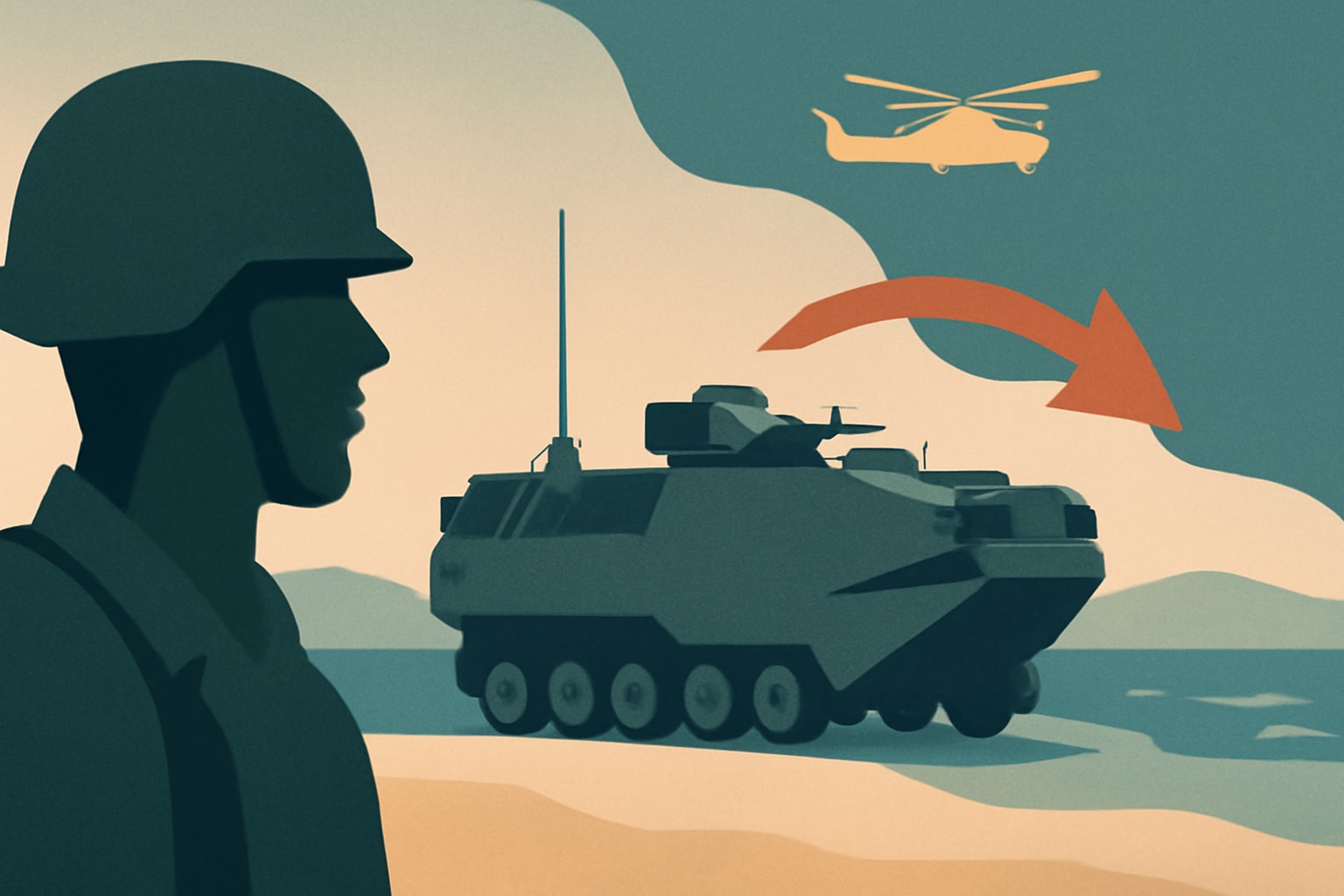
What's Happening
- •The U.S. is transferring retired Marine Corps Amphibious Assault Vehicles (AAVs) to allied nations.
- •This transfer aims to strengthen defense capabilities in the Black Sea region.
- •The move is part of ongoing military support to allies amid rising regional tensions.
Why It Matters
The transfer of retired AAVs to allies in the Black Sea region is a significant step in U.S. military strategy, reinforcing commitments to NATO and enhancing collective defense. For service members, this initiative highlights the ongoing relevance of their training and experience, while also fostering stronger ties with allied nations in a critical geopolitical area.
What Changes Now
- •The U.S. is officially transferring retired AAVs to allied nations. This will enhance the defense capabilities of those nations, particularly in the Black Sea region.
- •Allied forces will begin integrating these vehicles into their operational frameworks. This integration is expected to improve readiness and interoperability among NATO member states.
- •Service members may be involved in training exercises related to the AAVs. This could provide opportunities for collaboration with allied forces and enhance military relationships.
What to Watch
- •Monitor updates from the Department of Defense regarding the timeline for the AAV transfer. This will provide insights into how quickly allied forces can expect to receive and deploy these vehicles.
- •Keep an eye on NATO meetings discussing collective defense strategies. Decisions made in these forums could impact future military collaborations and resource allocations.
- •Watch for announcements on joint training exercises involving AAVs. These exercises will be crucial for assessing the operational effectiveness of the vehicles within allied forces.
Get the Daily Briefing
Military and veteran news that actually affects you, in your inbox each morning.
More Context
- •Background on AAVs and Their Role: Amphibious Assault Vehicles (AAVs) have been a crucial component of the U.S. Marine Corps' operational capabilities. Designed for troop transport and amphibious assaults, these vehicles allow for rapid deployment in coastal operations. The decision to transfer retired AAVs to allies reflects a strategic shift towards enhancing collective defense in areas of heightened geopolitical tensions, particularly in the Black Sea region. As NATO allies face increased security challenges, the provision of these vehicles is intended to bolster their operational readiness and deterrence capabilities.
- •Implications for U.S. Military Strategy: The transfer of retired AAVs signifies a broader commitment by the U.S. to support its allies in Europe. This move aligns with NATO's objectives of enhancing collective defense and interoperability among member nations. By equipping allies with advanced military assets, the U.S. aims to deter potential aggressors and ensure stability in Eastern Europe. This strategy not only strengthens bilateral relations but also demonstrates U.S. leadership in global security matters, particularly in response to Russian military activities in the region.
- •Impact on Service Members and Veterans: Active-duty Marines and veterans who have experience with AAVs may find this development particularly relevant. For those who operated or maintained these vehicles, the transfer could evoke a sense of pride in seeing their service assets continue to play a role in global security. Additionally, service members involved in logistics and military support operations may see increased opportunities for collaboration with allied forces. Veterans may also benefit from enhanced relations between the U.S. and its allies, potentially leading to future joint training exercises and initiatives.
- •What to Expect Moving Forward: As the transfer process begins, service members and military families should stay informed about upcoming training and operational changes. The timeline for the transfer and integration of AAVs into allied forces will be critical for understanding how this affects military readiness in the region. Continued updates from the Department of Defense will provide clarity on the strategic outcomes of this initiative and its impact on U.S. military operations abroad.
Frequently Asked Questions
Does this affect Guard members on Title 10 orders?
Yes, Guard members on Title 10 orders may be involved in training or operational support related to the AAVs being transferred to allies.
Will my BAH change if I move duty stations mid-year?
Your Basic Allowance for Housing (BAH) may change if you move to a new duty station, as BAH rates vary by location.
Veteran Take
For those who've served, seeing our retired AAVs being transferred to allies reinforces the importance of our contributions to global security. It’s a reminder that our training and experiences continue to play a vital role in supporting partnerships that strengthen collective defense. Veterans navigating this will appreciate how these actions not only enhance military readiness but also foster camaraderie among nations that share the burden of maintaining peace.
The Daily Briefing
Military & veteran news that actually affects you — delivered every morning.
- Pay, benefits & policy changes
- Pentagon decisions that matter
- VA updates for veterans & families
- One email. No spam. Unsubscribe anytime.
Related Stories
- Watchdog Report Reveals Security Flaws in Pentagon Wireless Services— Task & Purpose
- Marine Corps Invests $19.25 Million in Electric Seaglider Technology— Military.com
- Inside the Army Jungle School’s Notorious ‘Green Mile’ Training— Military Times
- Pentagon and Raytheon Sign $6.3 Billion Deal to Replenish Missile Interceptor Supply— Defense News