U.S. to Restart Blockade of Strait of Hormuz, May Impose Tariffs
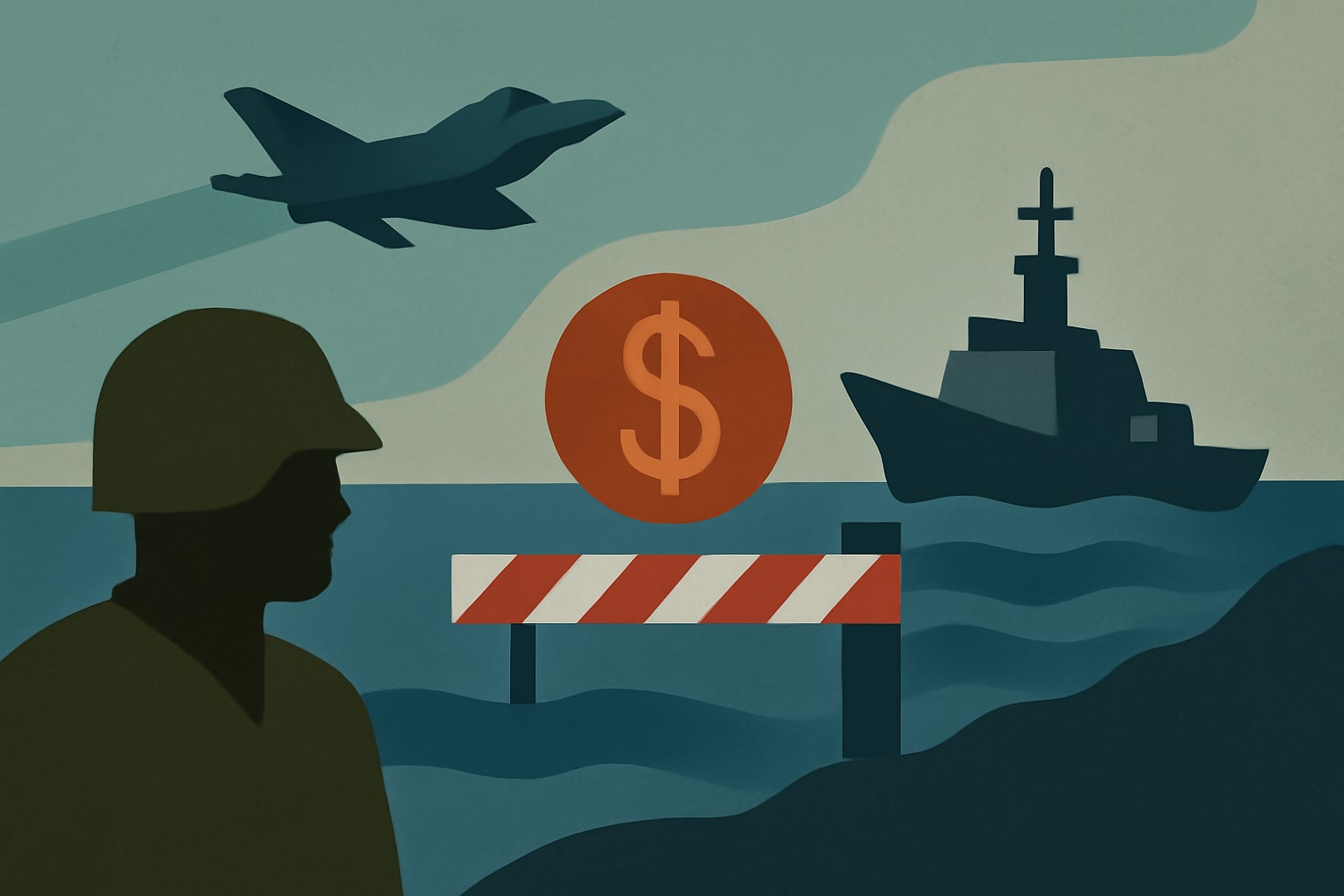
The U.S. will implement a blockade on the Strait of Hormuz, potentially charging a 20% tariff on maritime traffic.
What's Happening
- •The U.S. will restart a blockade of the Strait of Hormuz starting Tuesday.
- •Ships entering and exiting Iranian ports will be affected by this blockade.
- •A potential 20% tariff may be imposed on other maritime traffic in the area.
Why It Matters
This blockade is a significant escalation in U.S.-Iran tensions, particularly affecting military operations in the region. Active-duty service members and veterans involved in logistics and supply chain may face direct impacts from the potential economic fallout and operational changes.
What Changes Now
- •The blockade will begin on Tuesday, directly impacting naval operations in the region. Service members stationed near the Strait of Hormuz should prepare for possible increased deployments and heightened readiness.
- •A 20% tariff on maritime traffic may lead to increased shipping costs. This could affect military supply chains and logistics operations, necessitating adjustments in planning and budgeting.
- •Increased naval presence in the region is likely as the U.S. enforces the blockade. Personnel should stay updated on operational directives and potential changes in mission assignments.
What to Watch
- •Monitor updates from the Department of Defense regarding operational changes. These updates will clarify how the blockade affects deployments and readiness in the region.
- •Watch for economic reports related to the impact of tariffs on shipping costs. This will provide insights into how military logistics may be affected in the coming months.
- •Keep an eye on international responses from allies and adversaries regarding the blockade. Diplomatic reactions could influence U.S. military strategy and operations.
Get the Daily Briefing
Military and veteran news that actually affects you, in your inbox each morning.
More Context
- •Overview of the Blockade: The U.S. government has announced a renewed blockade of the Strait of Hormuz, a critical waterway for global oil transport. This action is primarily aimed at controlling maritime traffic associated with Iranian ports, which have been a focal point of U.S. sanctions and military strategy.
- •Implications for Service Members: Active-duty service members, particularly those in naval roles such as Surface Warfare Officers (SWOs) and logistics specialists, may face increased operational demands in the region. The blockade could lead to heightened tensions, requiring readiness for potential conflict scenarios, which could impact deployments and resource allocation.
- •Economic Impact and Tariffs: The proposed 20% tariff on maritime traffic could significantly affect shipping costs and global oil prices. For military families and veterans involved in logistics and supply chain management, this change may lead to increased living costs and adjustments in budget planning.
- •Monitoring the Situation: Service members and their families should stay informed about the developments surrounding the blockade. Monitoring official military communications and updates from the Department of Defense will be crucial for understanding how this situation may affect deployments and operational readiness.
Frequently Asked Questions
Does this affect Guard members on Title 10 orders?
Yes, Guard members activated under Title 10 may be deployed to support operations related to the blockade.
Will my BAH change if I move duty stations mid-year?
While the blockade itself does not directly affect BAH, changes in deployment locations may influence your housing allowance.
Veteran Take
For those who've served in the military, the implications of a blockade in the Strait of Hormuz hit close to home. We understand all too well how geopolitical tensions can disrupt not just operations, but also the livelihoods of those in logistics and supply chain roles. Veterans navigating this situation will likely feel the ripple effects, as increased tariffs and operational changes can have lasting impacts on both our economy and military readiness.
The Daily Briefing
Military & veteran news that actually affects you — delivered every morning.
- Pay, benefits & policy changes
- Pentagon decisions that matter
- VA updates for veterans & families
- One email. No spam. Unsubscribe anytime.
Related Stories
- Watchdog Report Reveals Security Flaws in Pentagon Wireless Services— Task & Purpose
- Marine Corps Invests $19.25 Million in Electric Seaglider Technology— Military.com
- US Army Enhances Combat Care Strategies in the Indo-Pacific— Military Times
- Pentagon Seeks Expertise to Develop Brain Injury Assessment Standards— Military Times