US to Cut Fighters and Warships from NATO Mission in Europe
The US military will reduce its fighter jets and warships in Europe as part of a strategic reassessment of NATO commitments.
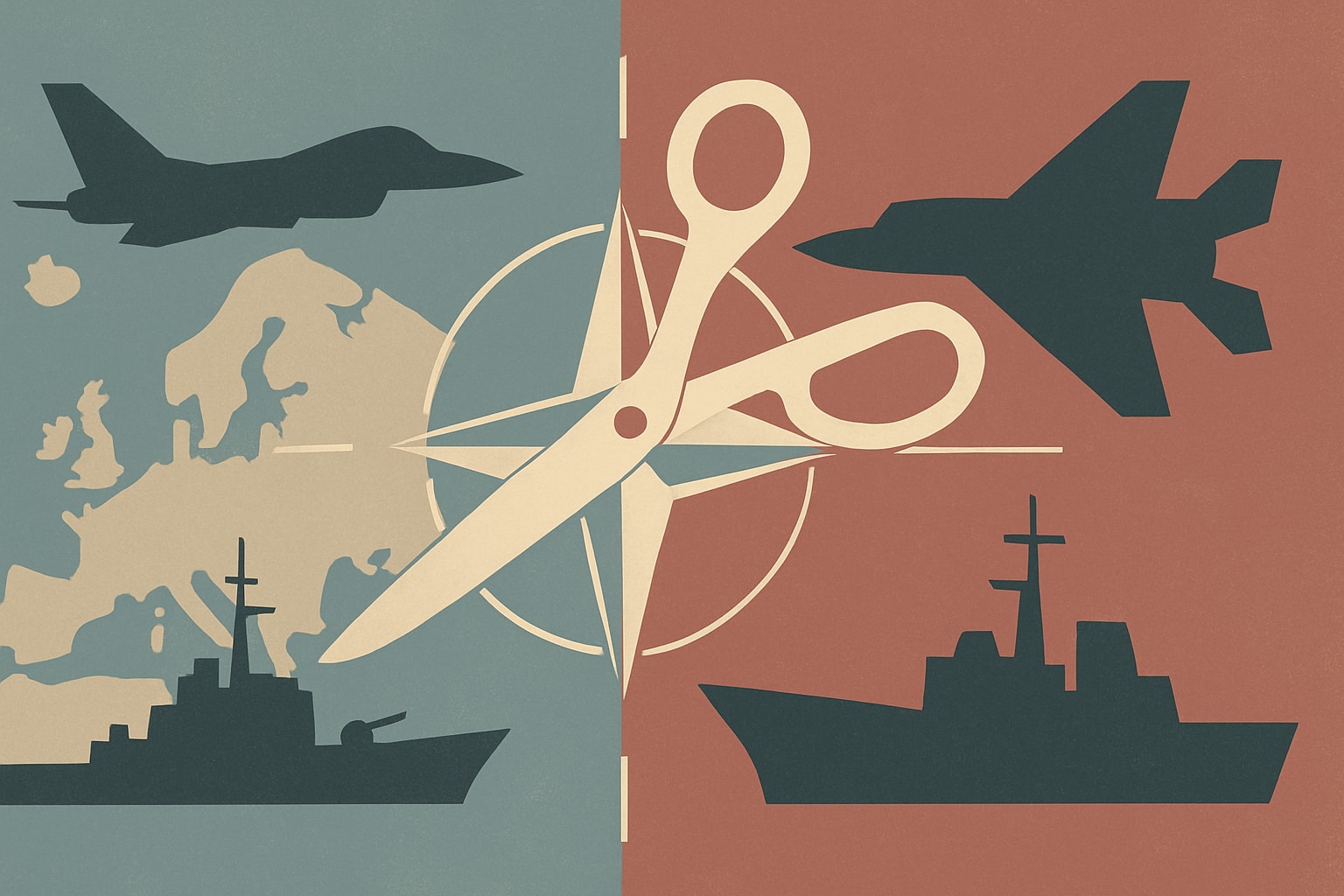
What's Happening
- •The US plans to reduce its military presence in Europe by cutting fighter jets and warships.
- •A carrier strike group will be restationed as part of this strategic adjustment.
- •F-15s and F-16s will also be moved from their current locations in Europe.
Why It Matters
This reduction in military assets has significant implications for service members and their families, particularly those stationed in Europe. It may affect operational readiness and the overall security landscape in the region, which is crucial for NATO's defense posture.
What Changes Now
- •The US military will begin the process of relocating F-15s and F-16s from Europe. This change will affect pilots and support staff who may need to transition to new assignments or locations.
- •A carrier strike group will be restationed, impacting Navy personnel assigned to that group. Sailors will need to prepare for potential changes in their operational environment and readiness requirements.
- •Service members and their families should expect updates from their commands regarding these changes. Engaging with leadership will be essential to understand personal impacts and timelines.
What to Watch
- •Watch for official announcements from military leadership regarding timelines for the relocation of aircraft and ships. These updates will clarify when changes will take effect and how personnel will be affected.
- •Monitor NATO's response to the US military's reduction in Europe. This will provide insight into how European allies are adjusting their defense strategies in light of the changes.
- •Stay informed about potential changes in military readiness and training requirements. As units adjust to new operational focuses, service members may need to adapt to different missions.
Get the Daily Briefing
Military and veteran news that actually affects you, in your inbox each morning.
More Context
- •Overview of the Changes: The United States has announced a significant reduction in its military assets stationed in Europe, specifically targeting its fighter jets and warships. This decision is part of a broader strategy to reassess the US military's commitments to NATO amid changing geopolitical dynamics. The restationing of a carrier strike group indicates a shift in operational focus, potentially reallocating resources to other regions or missions. The move of F-15s and F-16s out of Europe further underscores a strategic pivot that may affect NATO's collective defense posture.
- •Impact on Service Members: Active duty personnel, particularly those in the Air Force and Navy, will feel the effects of these changes. Pilots and support staff associated with the F-15 and F-16 aircraft may face relocation or reassignment as their units are moved. Additionally, sailors who are part of the carrier strike group will need to prepare for a new operational environment, which could involve different training and readiness requirements. This shift may also affect families, as service members may be required to relocate, impacting their stability and community ties.
- •Strategic Implications for NATO: The reduction of US military assets in Europe could have significant implications for NATO's collective defense strategy. As the US has historically been a cornerstone of NATO's military capabilities, any decrease in its presence may lead to concerns among European allies regarding security and deterrence. NATO member states will need to assess how to fill the potential gaps left by the US, which may involve increased military spending or troop deployments from other member nations. The long-term effects on NATO's operational readiness and cohesion will be closely monitored by defense analysts and military leaders.
- •Next Steps and Monitoring: Service members and their families should stay informed about the timeline for these changes, as the reassignment of units and personnel will likely unfold over the coming months. Military leadership will provide updates through official channels, including unit briefings and command announcements. It's crucial for those affected to engage with their chain of command to understand how these changes will impact their specific roles and responsibilities. Additionally, monitoring NATO's response to these adjustments will be essential for understanding broader security implications in Europe.
Frequently Asked Questions
Does this affect Guard members on Title 10 orders?
Yes, Guard members on Title 10 orders may be affected by the reduction in military assets, particularly if they are supporting operations in Europe.
Will my BAH change if I move duty stations mid-year?
Your Basic Allowance for Housing (BAH) may change if you move to a new duty station, as it is based on the cost of living in that area.
Veteran Take
For those who've served, the reduction of U.S. military assets in Europe signals a shift that could impact not only our operational readiness but also the sense of security among our allies. Veterans navigating this situation understand the delicate balance of maintaining strength while reassessing commitments, and we know the consequences of any perceived weakness in a region that has historically faced tensions. It's crucial for us to stay informed and engaged, as these decisions affect not just current service members but also the legacy and stability we fought to uphold.
The Daily Briefing
Military & veteran news that actually affects you — delivered every morning.
- Pay, benefits & policy changes
- Pentagon decisions that matter
- VA updates for veterans & families
- One email. No spam. Unsubscribe anytime.
Related Stories
- FEDVIP Dental Premiums to Rise 1%, Vision Premiums by 1.6% for 2027— Military.com
- Pentagon Threatens Universities Over Foreign Ties, Considers Audits— DefenseScoop
- U.S. Army Expands Role in Panama with Diverse Initiatives— Defense News
- Trump Cancels Pentagon’s Plan to Livestream Nidal Hasan Execution— Task & Purpose