US Urges NATO Allies to Enhance Air and Naval Forces
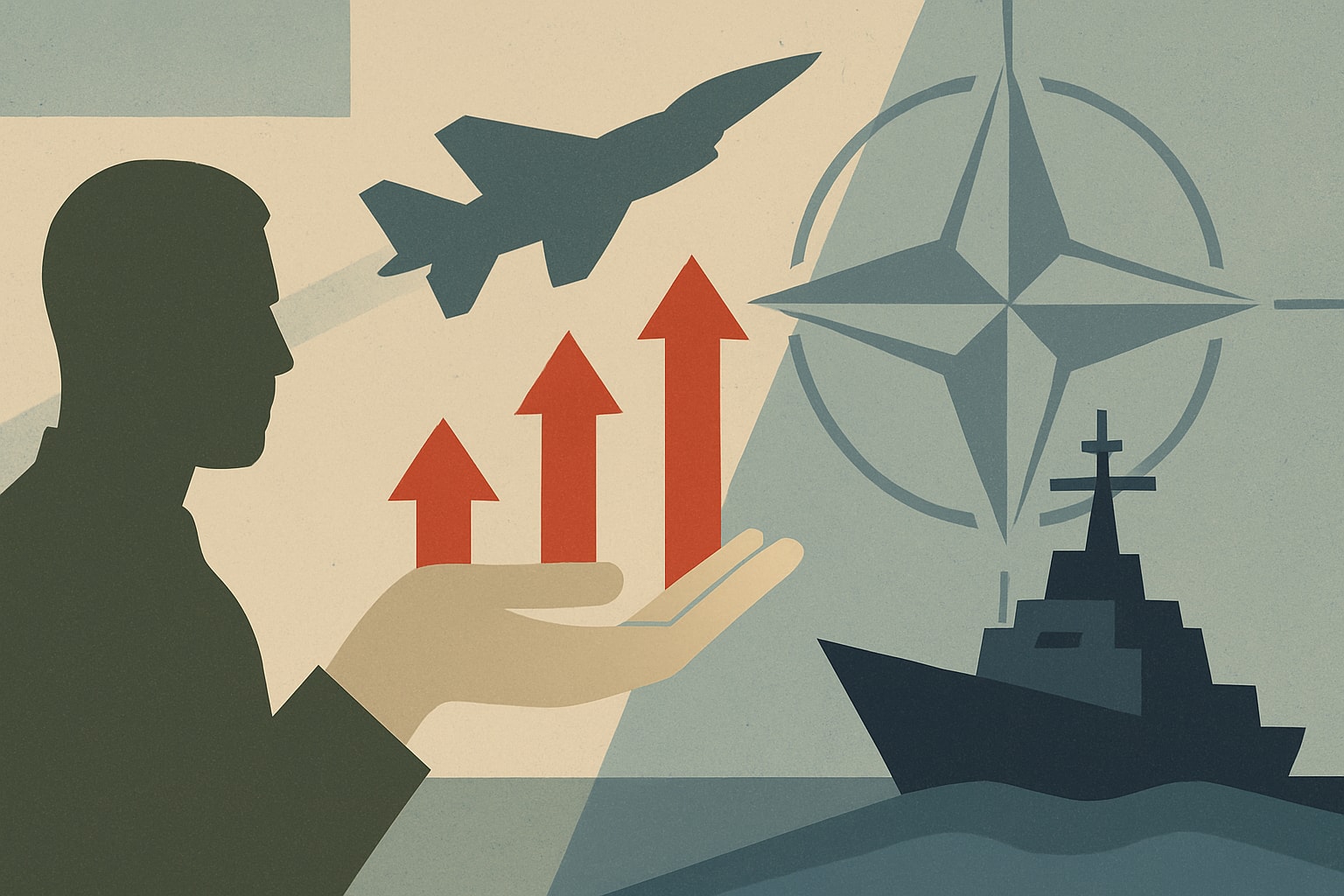
The U.S. is pressing European nations and Canada to bolster their NATO military capabilities in response to global security challenges.
What's Happening
- •The U.S. has called on NATO allies in Europe and Canada to increase their air and naval capabilities.
- •This request comes amid rising global security tensions and the need for enhanced military readiness.
- •NATO's military headquarters emphasized the importance of assigning existing capabilities to the alliance.
Why It Matters
The U.S. call for enhanced NATO capabilities is significant for military readiness in an increasingly complex global security environment. For service members, this means potential changes in deployment patterns and training exercises, directly impacting their operational roles and responsibilities.
What Changes Now
- •NATO member nations are expected to increase their military capabilities. This includes both air and naval forces, which may lead to more collaborative training exercises.
- •U.S. service members may experience shifts in their operational focus due to increased NATO activities. This could involve more deployments to Europe and joint missions with allied forces.
- •Reserve and National Guard units may receive more activation orders for NATO-related operations. This will likely enhance their training and operational readiness.
What to Watch
- •Upcoming NATO training exercises scheduled for the next fiscal year. These exercises will provide insights into how U.S. forces will integrate with NATO allies.
- •Potential changes in deployment orders for active-duty and reserve units. Monitoring announcements from military leadership will be crucial for affected service members.
- •Decisions from NATO regarding resource allocation and military readiness initiatives. These will shape the operational landscape for U.S. forces in Europe.
Get the Daily Briefing
Military and veteran news that actually affects you, in your inbox each morning.
More Context
- •NATO's Call for Enhanced Capabilities: In light of escalating global security threats, the U.S. has urged NATO member nations, particularly those in Europe and Canada, to boost their air and naval forces. This call to action is part of a broader strategy to ensure that NATO remains a formidable deterrent against potential aggressors. The emphasis is on utilizing and enhancing the capabilities that member nations already possess, which can be a critical factor in maintaining operational readiness. The military headquarters of NATO has been vocal about the need for these nations to prioritize their contributions to the alliance.
- •Implications for U.S. Service Members: For active-duty service members, particularly those in the Air Force and Navy, this directive may lead to increased joint training exercises with allied forces. Units such as Air Force fighter squadrons and Navy carrier strike groups could see more collaborative missions, enhancing interoperability with NATO partners. Additionally, this could result in a more significant presence of U.S. forces in Europe as the alliance seeks to bolster its collective defense posture. Service members should stay informed about potential deployments and training schedules that may arise from these NATO initiatives.
- •Impact on Reserve and Guard Forces: Reserve and National Guard members, particularly those in aviation and maritime roles, may also feel the effects of this push. As NATO increases its readiness levels, there may be a greater demand for these forces to participate in training and operational missions alongside their active-duty counterparts. For example, Air National Guard fighter units could be called to support NATO air patrols, while Navy Reserve units might be tasked with logistical support for naval operations. This could lead to more activation orders and training opportunities for reservists.
Frequently Asked Questions
Does this affect Guard members on Title 10 orders?
Yes, Guard members on Title 10 orders may be called to support NATO operations, especially in air and naval roles.
Will my BAH change if I move duty stations mid-year?
Your Basic Allowance for Housing (BAH) may change based on your new duty station's location and housing cost adjustments.
Veteran Take
For those who've served, the call for NATO allies to enhance their military capabilities underscores the importance of collective defense in an unpredictable world. We understand that increased readiness can lead to more complex deployments and training, which means our brothers and sisters in arms will face new challenges and responsibilities. It's a reminder that the security of our nations relies not just on our own forces, but on the strength of our alliances.
The Daily Briefing
Military & veteran news that actually affects you — delivered every morning.
- Pay, benefits & policy changes
- Pentagon decisions that matter
- VA updates for veterans & families
- One email. No spam. Unsubscribe anytime.
Related Stories
- Pentagon Cuts Army Civilian Hiring Time from 161 Days to 47— Federal News Network
- Army Pilots AI-Backed Maintenance Program to Streamline Repairs— DefenseScoop
- DISA Faces Another Protest Over Enclave Contract Expansion— Federal News Network
- U.S. Army Expands Role in Panama with Diverse Initiatives— Defense News