U.S. Technology Found in Russian Ballistic Missiles Raises Security Concerns
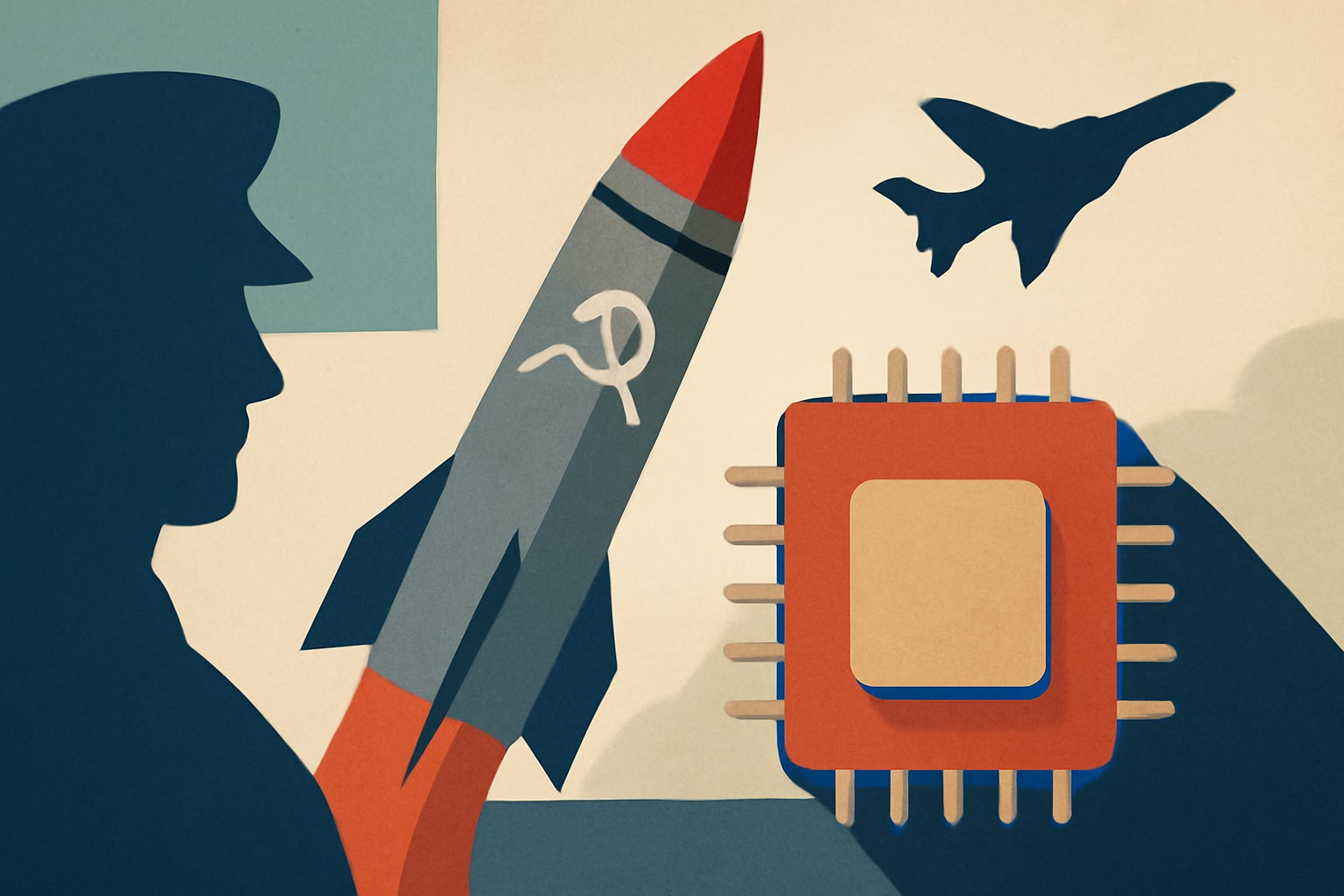
American and European components are still integral to Russian ballistic missile technology, raising security concerns.
What's Happening
- •American and European-made components are still being used in Russian ballistic missiles.
- •This discovery raises significant security concerns regarding the effectiveness of sanctions.
- •The presence of U.S. technology in Russian missiles could impact military strategies.
Why It Matters
The discovery of American and European components in Russian ballistic missiles poses significant risks to U.S. military operations and NATO security. Service members and defense planners must understand the implications of this technology transfer, which could affect strategic planning and readiness in the face of evolving threats.
What Changes Now
- •Military strategies may need to be reassessed in light of the findings. This reassessment will involve collaboration among NATO allies to address potential vulnerabilities.
- •Policymakers may consider tightening sanctions against countries supplying components to Russia. This could impact defense contractors and suppliers in the U.S. and Europe, leading to stricter regulations.
- •Increased scrutiny on defense supply chains is likely. This may require military units to review their procurement processes to ensure compliance with sanctions.
What to Watch
- •Upcoming NATO meetings will address the implications of these findings. Decisions made during these discussions could shape future defense policies and military support for Eastern Europe.
- •The response from U.S. lawmakers regarding sanctions is anticipated. Legislative actions could lead to new measures aimed at curtailing technology transfer to adversaries.
- •Future investigations into defense supply chains are expected. Findings from these investigations could lead to significant policy changes affecting military readiness.
Get the Daily Briefing
Military and veteran news that actually affects you, in your inbox each morning.
More Context
- •The Discovery of U.S. Components: Recent investigations have revealed that numerous American and European-made components are still present in the construction of Russian ballistic missiles. This finding highlights the ongoing challenge of enforcing sanctions designed to limit Russia's access to advanced technologies, particularly in the defense sector.
- •Implications for Military Readiness: The integration of U.S. technology into Russian missile systems could have serious implications for military readiness among NATO allies. If adversaries can leverage advanced components, it may necessitate a reevaluation of defense strategies and readiness postures across Europe.
- •Impact on Sanctions and Defense Policy: This situation underscores the complexities of international sanctions and the need for robust enforcement mechanisms. Policymakers must consider how these findings might influence future sanctions and defense policies, particularly in relation to military aid and support for Eastern European allies.
- •Monitoring Future Developments: As investigations continue, military analysts will be closely monitoring how this information affects U.S. and NATO defense strategies. The potential for new sanctions or policy shifts could arise, depending on the response from the international community.
Frequently Asked Questions
Does this affect Guard members on Title 10 orders?
Yes, any changes in military strategy or defense policy could impact Guard members, especially those deployed in support of NATO operations.
Will my BAH change if I move duty stations mid-year?
Your Basic Allowance for Housing (BAH) may change if you move to a location with a different BAH rate; ensure you update your information in the appropriate military systems.
The Daily Briefing
Military & veteran news that actually affects you — delivered every morning.
- Pay, benefits & policy changes
- Pentagon decisions that matter
- VA updates for veterans & families
- One email. No spam. Unsubscribe anytime.
Related Stories
- Golden Dome Task Force Aims to Strengthen U.S. Defense Against Attacks— Air & Space Forces Magazine
- SpaceX's Starshield Restrictions Hamper Military Operations in Ukraine— Military Times
- KBR's Firefly System Selected for U.S. Base Defense Against Drones— Military Times
- AFRL Partners with Virgin Galactic to Collect Space Weather Data— Air & Space Forces Magazine