U.S. Forces Conduct Strikes on Iranian Radar Sites Following Drone Attacks
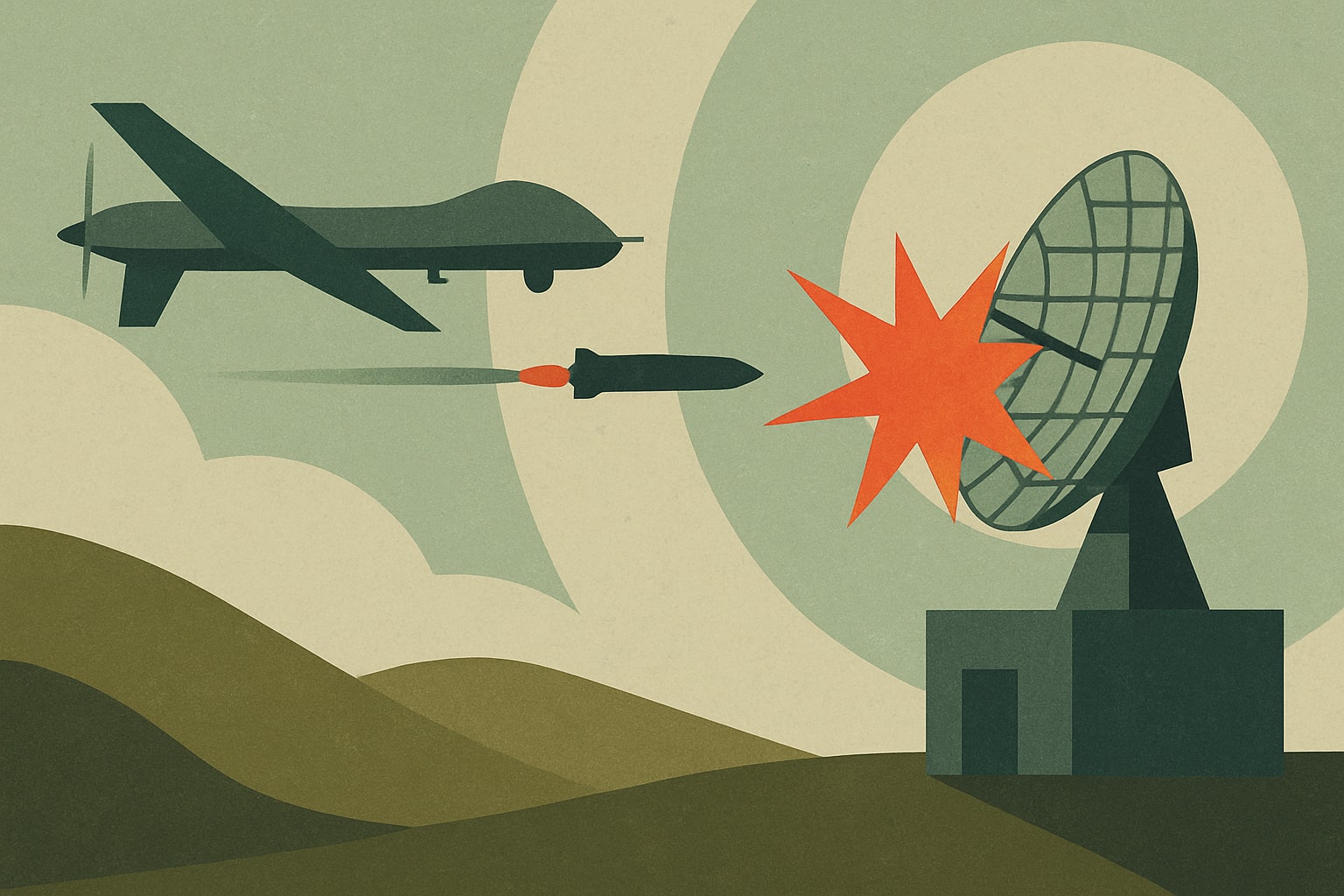
Recent U.S. military action targets Iranian coastal radar sites after drone threats in the Gulf.
What's Happening
- •U.S. forces struck Iranian coastal radar sites on June 6, 2026.
- •The strikes were a response to Iranian drones launched toward the Strait of Hormuz.
- •This escalation marks a significant increase in tensions in the Gulf region.
Why It Matters
The recent U.S. strikes against Iranian sites highlight ongoing security concerns in the Gulf, a vital area for U.S. military operations and global trade. For service members and their families, these developments could lead to changes in deployment status and increased operational tempo, impacting readiness and family life.
What Changes Now
- •The U.S. military may increase its presence in the Gulf region as a deterrent against further Iranian aggression. This could lead to more frequent patrols and heightened alert statuses for deployed forces.
- •Service members should prepare for possible changes in deployment timelines or mission assignments. Communication from leadership will be essential to keep personnel informed of any new directives.
- •Families of service members should stay updated on potential changes to deployment schedules. This information is vital for planning and support during periods of increased tension.
What to Watch
- •Monitor updates from the Department of Defense regarding operational changes in the Gulf. These updates will provide insights into any shifts in military strategy or troop movements.
- •Watch for potential diplomatic responses from the U.S. government. Decisions made at the political level could influence military operations and readiness in the region.
- •Keep an eye on international reactions from allied nations regarding U.S. military actions. These responses could shape future coalition operations and support in the Gulf.
Get the Daily Briefing
Military and veteran news that actually affects you, in your inbox each morning.
More Context
- •Background on Recent Tensions: The Strait of Hormuz is a critical maritime chokepoint, with a significant portion of the world's oil passing through it. Recent Iranian drone activities have raised alarms about potential threats to shipping and U.S. interests in the region, prompting military responses aimed at deterring further aggression.
- •Details of the U.S. Military Action: The U.S. military confirmed that the strikes targeted Iranian radar installations that were instrumental in the drone launches. This action underscores the U.S. commitment to maintaining freedom of navigation in the Gulf and protecting allied interests against hostile actions.
- •Implications for Service Members: Active duty personnel, particularly those in naval and air operations, may see increased deployments or readiness levels in response to these tensions. Service members should stay informed about potential changes in operational orders or mission assignments as the situation evolves.
- •Future Monitoring and Military Readiness: Military families and service members should be aware of the potential for escalated operations in the Gulf region. Monitoring official communications from the Department of Defense will be crucial for understanding any changes in deployment schedules or operational focus.
Frequently Asked Questions
Does this affect Guard members on Title 10 orders?
Yes, Guard members on Title 10 orders may see changes in their operational roles or deployment timelines due to increased military activity in the region.
Will my BAH change if I move duty stations mid-year?
Your Basic Allowance for Housing (BAH) may be affected by your new duty station's location and housing costs; ensure you update your information promptly.
Veteran Take
For those who've served, the escalating tensions in the Gulf are a stark reminder of the unpredictable nature of military life. We understand that each strike has real implications for service members and their families, often resulting in extended deployments and increased stress. Navigating these changes can be challenging, as they not only affect our readiness but also the stability of our loved ones back home.
The Daily Briefing
Military & veteran news that actually affects you — delivered every morning.
- Pay, benefits & policy changes
- Pentagon decisions that matter
- VA updates for veterans & families
- One email. No spam. Unsubscribe anytime.
Related Stories
- Air Force Seeks Next-Gen Perimeter Air Defense Radars to Replace Aging Systems— Air & Space Forces Magazine
- AFRL Partners with Virgin Galactic to Collect Space Weather Data— Air & Space Forces Magazine
- 7th Air Force Pursues New Counter-Drone Capabilities for South Korea— DefenseScoop
- Air Force and Space Force Set Historic Recruiting Goals for 2027— Air & Space Forces Magazine