U.S. Forces Strike Iranian Sites Following Drone Launches
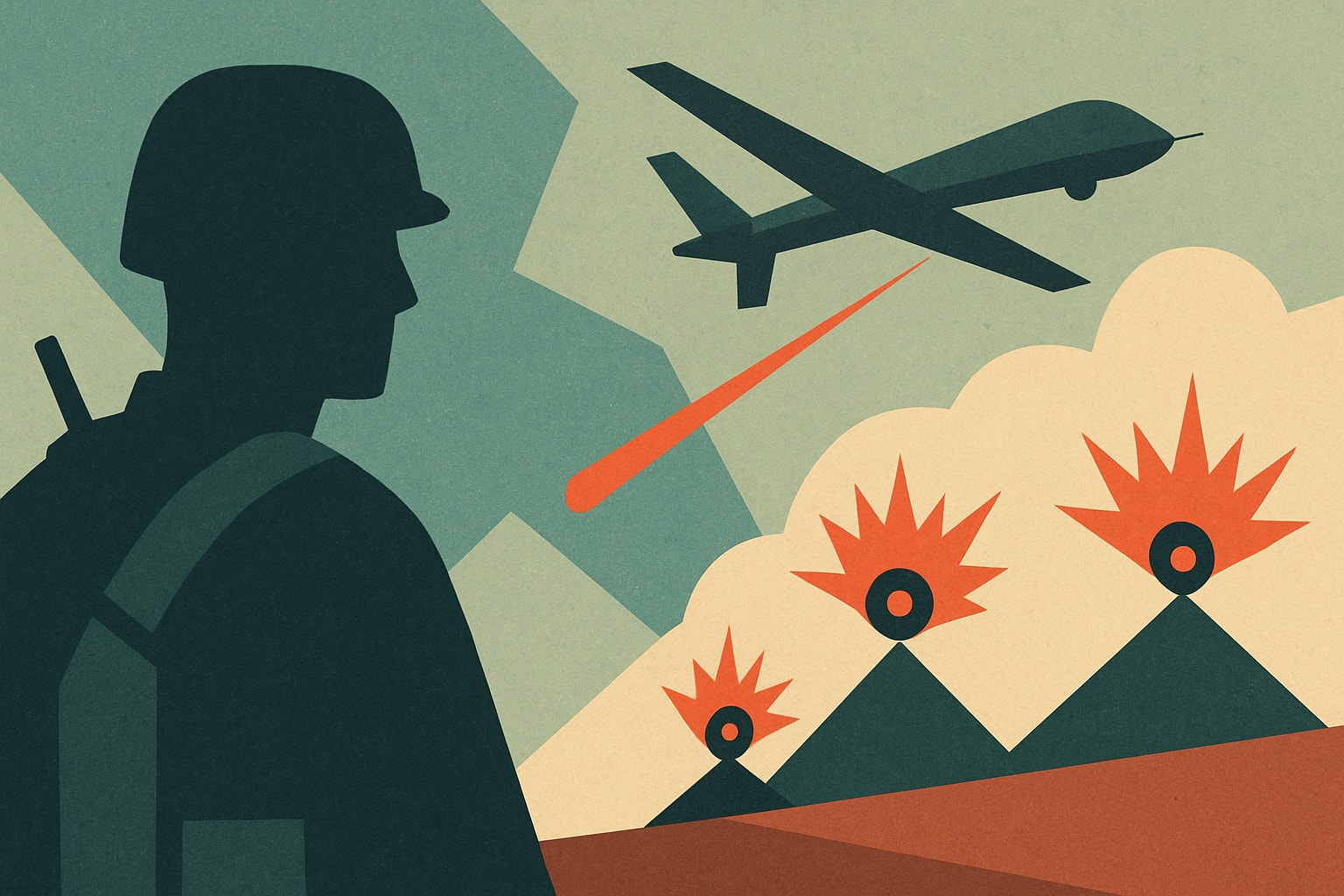
U.S. military responds to Iranian drone threats with strikes on coastal radar sites in the Gulf region.
What's Happening
- •U.S. forces struck Iranian radar sites after intercepting drones launched toward the Strait of Hormuz.
- •The strikes occurred on Saturday, escalating tensions in the Gulf region.
- •This incident marks a significant military response to Iranian provocations.
Why It Matters
The recent U.S. military strikes against Iranian sites signify a critical moment in ongoing tensions in the Gulf region. For service members and their families, understanding these developments is essential for maintaining readiness and ensuring safety amidst potential escalations.
What Changes Now
- •U.S. military readiness levels in the region have been heightened. This means active-duty personnel may face increased operational demands and potential deployments.
- •Service members should expect more frequent briefings regarding the situation. These briefings will provide crucial updates on safety protocols and operational changes.
- •Families of deployed service members should prepare for potential changes in communication. Increased tensions may affect regular contact with loved ones.
What to Watch
- •Monitor updates from the Department of Defense regarding operational changes. These updates will clarify how the military is responding to the evolving situation in the Gulf.
- •Watch for statements from military leadership about increased presence in the region. This will indicate whether further military actions are anticipated.
- •Stay alert for changes in deployment schedules for units in the Central Command area. Adjustments may occur based on the current threat assessment.
Get the Daily Briefing
Military and veteran news that actually affects you, in your inbox each morning.
More Context
- •Background on the Incident: The recent escalation began when Iranian forces launched drones targeting the Strait of Hormuz, a vital waterway for global oil shipments. In response, U.S. military assets in the region engaged and successfully shot down the drones, leading to retaliatory strikes on Iranian coastal radar installations. This incident highlights the ongoing tensions between the U.S. and Iran, particularly regarding maritime security and freedom of navigation in the Gulf.
- •Implications for Military Personnel: Active-duty service members, particularly those stationed in the Central Command area, should be aware of heightened operational risks following this incident. Units such as the Navy's 5th Fleet, which operates in the Gulf, may experience increased readiness levels and operational tempo. Service members should stay informed about potential changes in mission parameters and the overall security environment, which could affect deployments and operations.
- •What This Means for Military Families: Military families of service members in the affected regions may face increased uncertainty and stress due to the escalating tensions. Families should remain engaged with their service members and utilize available resources, such as Family Readiness Groups, to stay informed. Additionally, families should be prepared for potential changes in deployment schedules or increased communication from military leadership regarding safety and operational updates.
- •Next Steps and Monitoring Developments: Service members and their families should monitor official military communications for updates on the situation in the Gulf. Key stakeholders, including the Department of Defense and Central Command, will likely provide ongoing assessments of the threat level and operational directives. It is crucial to stay connected to resources like the Defense Information System Agency for real-time updates and guidance.
Frequently Asked Questions
Does this affect Guard members on Title 10 orders?
Yes, Guard members on Title 10 orders may see changes in their operational assignments due to increased military activity in the region.
Will my BAH change if I move duty stations mid-year?
Your Basic Allowance for Housing (BAH) may be adjusted based on your new duty station's location and housing costs. Ensure you update your information through myPay.
Veteran Take
For those who've served, the ongoing tensions in the Gulf are more than just headlines; they represent the reality of military readiness and the potential for conflict. Veterans navigating this landscape understand the sacrifices that come with these decisions, both for service members deployed and for their families back home. It's a reminder of the delicate balance we must maintain between national security and the human cost of military action.
The Daily Briefing
Military & veteran news that actually affects you — delivered every morning.
- Pay, benefits & policy changes
- Pentagon decisions that matter
- VA updates for veterans & families
- One email. No spam. Unsubscribe anytime.
Related Stories
- Air Force Seeks Next-Gen Perimeter Air Defense Radars to Replace Aging Systems— Air & Space Forces Magazine
- AFRL Partners with Virgin Galactic to Collect Space Weather Data— Air & Space Forces Magazine
- US Army Enhances Counter-Drone Technology Amid Rising Cartel Threats— Defense News
- Air and Space Forces Meet Recruitment Goals, Aim Higher for 2027— Military Times