U.S. Strikes Iranian Missile, Drone, and Radar Sites
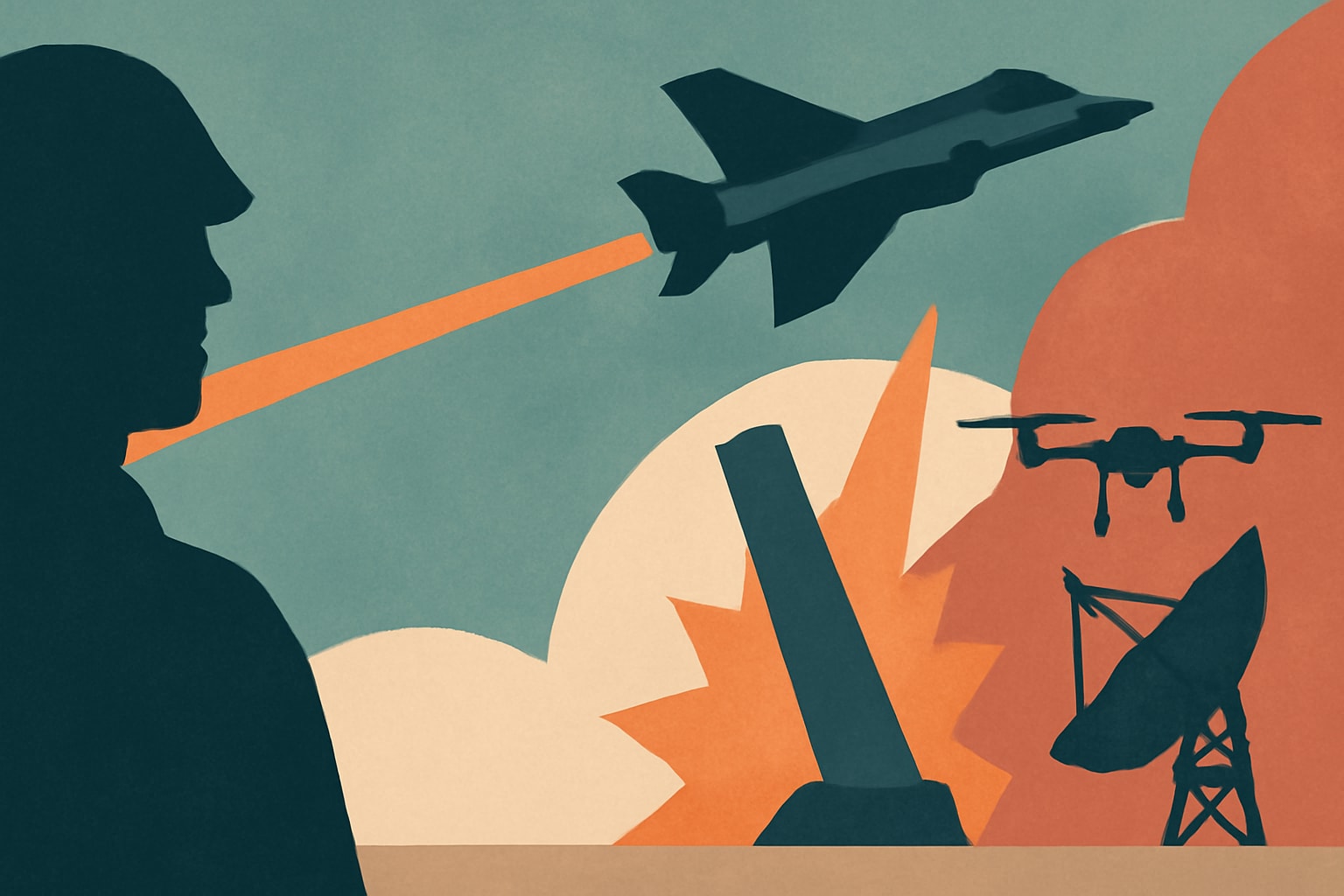
The U.S. Central Command confirmed military strikes against Iranian missile, drone, and radar sites on June 26, 2026.
What's Happening
- •The U.S. conducted military strikes against Iranian missile, drone, and radar sites.
- •The strikes were confirmed by U.S. Central Command on June 26, 2026.
- •This action is part of ongoing tensions between the U.S. and Iran.
Why It Matters
The recent U.S. strikes against Iranian military sites underscore the ongoing tensions in the region and the potential for further escalation. For active-duty service members and their families, these developments may lead to changes in deployment status, operational readiness, and family support resources.
What Changes Now
- •U.S. military operations in the Middle East may experience an uptick in activity. This could involve increased missions for units stationed at bases such as Al Udeid Air Base in Qatar.
- •Service members may be required to adjust their readiness levels in response to the strikes. This means preparing for possible deployments or changes in mission focus.
- •Military families should expect updates from their units regarding communication protocols. Staying informed will be crucial for managing potential stress and uncertainties.
What to Watch
- •Watch for updates from U.S. Central Command regarding operational changes. These updates will provide clarity on how the strikes affect current missions.
- •Monitor Congressional hearings that may address U.S. military strategy in the Middle East. These discussions could influence future military engagements and funding.
- •Keep an eye on international reactions, particularly from Iran, which may impact U.S. military posture in the region.
Get the Daily Briefing
Military and veteran news that actually affects you, in your inbox each morning.
More Context
- •Details of the Strikes: On June 26, 2026, U.S. Central Command announced military strikes targeting strategic Iranian military assets, specifically missile, drone, and radar sites. These strikes are a response to escalating tensions and are aimed at degrading Iran's military capabilities. The decision to engage in this military action reflects a broader strategy to counter perceived threats from Iran in the region, particularly as U.S. forces remain vigilant against potential aggression.
- •Implications for Service Members: Active duty service members, particularly those in combat roles such as 11B Infantrymen and 13B Field Artillerymen, may see an increase in operational tempo as a result of these strikes. Units deployed in the Middle East, including those stationed at bases in Qatar and Kuwait, could be tasked with heightened readiness and possible follow-on operations. Additionally, service members should prepare for potential changes in mission parameters as the situation evolves.
- •What This Means for Military Families: Military families, especially those with loved ones deployed in the region, may experience increased anxiety and uncertainty following these strikes. Communication may be affected as units adjust to new operational demands, and families should stay informed through official channels. Resources are available for family support, including counseling and updates from unit leadership, to help navigate these changes.
- •Monitoring Future Developments: Service members and their families should keep an eye on upcoming briefings from military leadership regarding operational changes and safety protocols. The U.S. government is expected to provide updates on the situation with Iran, particularly regarding any retaliatory actions. Additionally, Congress may hold hearings to discuss the implications of these strikes on U.S. foreign policy and military strategy.
Frequently Asked Questions
Does this affect Guard members on Title 10 orders?
Yes, Guard members on Title 10 orders may be impacted as operational demands increase in response to the strikes.
Will my BAH change if I move duty stations mid-year?
Your Basic Allowance for Housing (BAH) may change if you move to a different duty station, as BAH rates vary by location.
Veteran Take
For those who've served, the news of military strikes can feel all too familiar, stirring up memories of deployments and the uncertainty that comes with them. Veterans navigating this will likely reflect on the toll these conflicts take, not just on service members but also on their families and communities. It's a stark reminder that the sacrifices made continue to echo through generations, and we must remain vigilant in supporting each other through these ongoing challenges.
The Daily Briefing
Military & veteran news that actually affects you — delivered every morning.
- Pay, benefits & policy changes
- Pentagon decisions that matter
- VA updates for veterans & families
- One email. No spam. Unsubscribe anytime.
Related Stories
- BAE Systems Delivers Two AMPV 30 Prototypes to the Army— DefenseScoop
- Navy Expands Online Marketplace for Sea Drones and Vendors— DefenseScoop
- B-52H Stratofortress Upgrades Advance to Engineering Development Phase— Air & Space Forces Magazine
- Air Force Leaders Elevate Point Defense to Priority Status— Air & Space Forces Magazine