US Strikes Vessel in Eastern Pacific, Killing Two in First Attack in Months
The US military's recent airstrike marks a significant escalation in its campaign against drug trafficking in the Pacific.
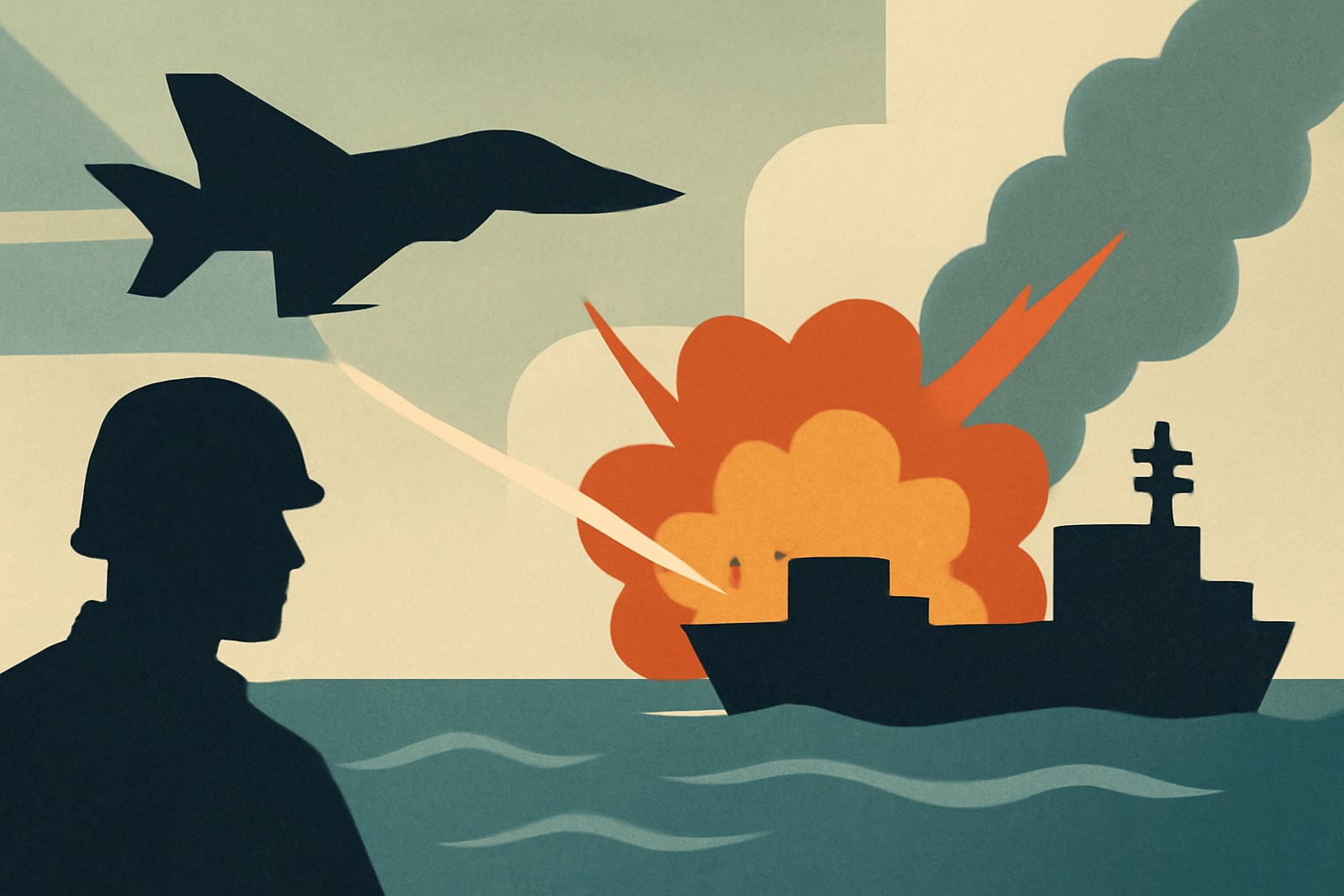
What's Happening
- •The US military conducted an airstrike on a vessel in the Eastern Pacific, killing two people.
- •This strike is part of a nearly yearlong campaign targeting boats involved in drug trafficking.
- •The death toll from this campaign has now exceeded 210 after over 60 strikes.
Why It Matters
The recent airstrike underscores the US military's commitment to combating drug trafficking, which has significant implications for national security. For service members and veterans, understanding these operations is crucial as they may influence future military engagements and resource allocation.
What Changes Now
- •The US military is likely to increase its operational presence in the Eastern Pacific. This change means that service members may face more frequent deployments and heightened readiness requirements.
- •New engagement protocols may be implemented for personnel involved in counter-narcotics operations. This will require training updates and possible adjustments in operational tactics.
- •Service members should prepare for potential policy shifts regarding military involvement in drug enforcement. Understanding these changes will be essential for adapting to new operational realities.
What to Watch
- •Monitor upcoming military briefings regarding operational changes in the Eastern Pacific. These briefings will provide insights into future missions and resource allocations.
- •Watch for announcements from military leadership about changes in deployment schedules. Such announcements will impact service members' readiness and family planning.
- •Keep an eye on legislative discussions concerning military engagement in drug trafficking. Changes in policy could affect the scope and nature of military operations.
Get the Daily Briefing
Military and veteran news that actually affects you, in your inbox each morning.
More Context
- •Overview of Recent Strikes: The recent airstrike conducted by the US military against a vessel in the Eastern Pacific represents a significant moment in the ongoing campaign against drug trafficking. This operation is part of a broader strategy aimed at disrupting the flow of illegal narcotics that often originate from South America and transit through maritime routes. The strike is notable not only for its immediate impact but also for its implications on US military operations in the region, particularly as it marks the first such action in several months.
- •Impacts on Military Operations: The ongoing campaign has resulted in a substantial increase in the number of strikes against vessels suspected of drug trafficking. With over 60 strikes and a rising death toll, the US military is intensifying its efforts to combat drug smuggling operations that threaten national security. This escalation may lead to a reassessment of military resources allocated to counter-narcotics operations, potentially affecting units involved in maritime security, such as Navy and Coast Guard personnel.
- •Relevance for Service Members: Active-duty service members, particularly those in the Navy and Coast Guard, should be aware of the heightened operational tempo in the Eastern Pacific. This could lead to increased deployments and operational readiness requirements for personnel involved in maritime security and counter-narcotics missions. Additionally, service members may face new training and engagement protocols as the military adapts to evolving threats in the region.
- •Future Considerations: As the US military continues its campaign against drug trafficking, service members and their families should monitor developments closely. The potential for increased military engagement in the region could affect deployment cycles and operational planning. Furthermore, the ongoing nature of these operations may lead to further policy discussions regarding the military's role in domestic and international drug enforcement efforts.
Frequently Asked Questions
Does this affect Guard members on Title 10 orders?
Yes, Guard members on Title 10 orders may be deployed in support of these operations, impacting their current assignments.
Will my BAH change if I move duty stations mid-year?
Your Basic Allowance for Housing (BAH) may change if you relocate to a different area with varying housing costs, so it's important to check the rates for your new location.
The Daily Briefing
Military & veteran news that actually affects you — delivered every morning.
- Pay, benefits & policy changes
- Pentagon decisions that matter
- VA updates for veterans & families
- One email. No spam. Unsubscribe anytime.
Related Stories
- Pentagon Launches AI Pilot Program to Manage Sensitive Information— DefenseScoop
- US Military Faces Over $3 Billion in Equipment Losses from Iran War— Task & Purpose
- USS Harry S. Truman to Undergo $5.1 Billion Mid-Life Overhaul— Navy Times
- Pentagon Awards Raytheon Up to $20.7 Billion to Nearly Double AMRAAM Production— Defense News