U.S. Strikes Five Iranian Oil Tankers as Tensions Escalate
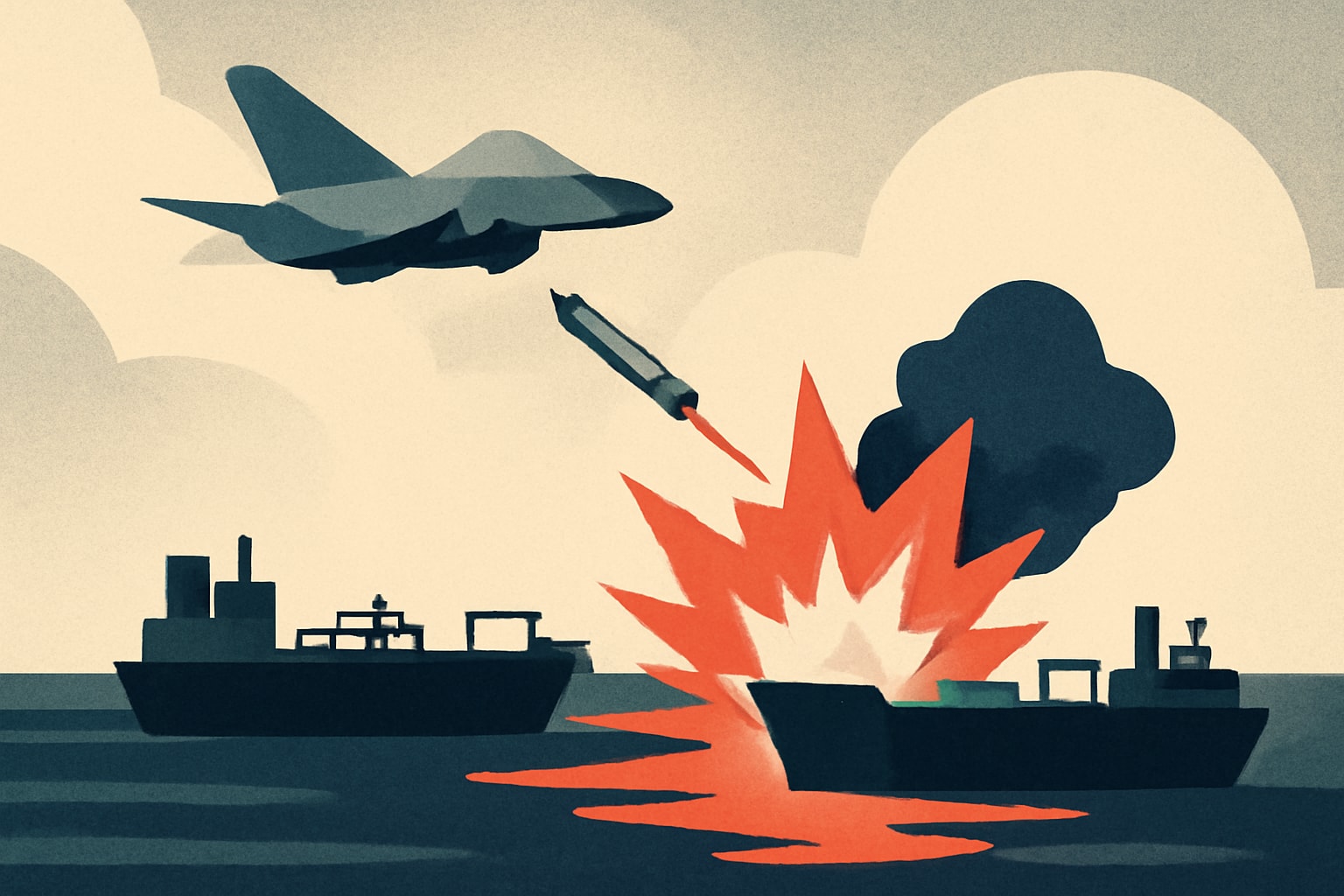
In a significant escalation, U.S. forces have destroyed five Iranian oil tankers, prompting Iranian retaliation.
What's Happening
- •On September 8, U.S. Central Command announced the destruction of five Iranian oil tankers.
- •Iran retaliated by launching ballistic missiles toward a major U.S. base in Jordan.
- •This incident marks a significant escalation in U.S.-Iran hostilities.
Why It Matters
The escalation of hostilities between the U.S. and Iran directly impacts military readiness and operations in the region. For service members and their families, understanding these developments is crucial for anticipating changes in deployment and operational expectations.
What Changes Now
- •U.S. military forces may increase their operational presence in the Middle East. This change is important for service members as it could lead to extended deployments or altered mission parameters.
- •Active duty personnel should prepare for potential changes in their readiness status. This may involve additional training or operational briefings in response to the heightened threat level.
- •Families of service members should stay informed about the situation as it may affect communication and support services during deployments.
What to Watch
- •Monitor announcements from U.S. Central Command regarding operational changes. These updates will provide clarity on how the military is responding to the situation and what it means for stationed personnel.
- •Watch for any statements from the Pentagon regarding troop movements in the Middle East. Decisions made in the coming weeks could significantly impact deployment schedules and readiness.
- •Keep an eye on news reports about Iranian military actions. Understanding Iran's next steps will be crucial for anticipating further U.S. military responses.
Get the Daily Briefing
Military and veteran news that actually affects you, in your inbox each morning.
More Context
- •Overview of the Strikes: The recent U.S. strikes on Iranian oil tankers represent a marked increase in military engagement in the region. This action was taken under the auspices of protecting U.S. interests and allies, particularly in light of Iran's ongoing threats to maritime security. The U.S. military has emphasized that these strikes are part of a broader strategy to deter Iranian aggression, which has included harassment of commercial shipping in the Strait of Hormuz.
- •Iran's Response: Following the U.S. strikes, Iranian state media reported that ballistic missiles were fired at a U.S. military base in Jordan. This retaliation underscores the volatile nature of U.S.-Iran relations and raises concerns about potential further escalations. Military analysts suggest that Iran's response could lead to an increased military presence in the region as the U.S. seeks to bolster defenses against possible Iranian attacks.
- •Implications for Service Members: Active duty service members, particularly those stationed in the Middle East, should be aware of the heightened risks associated with this escalation. Units deployed in the region may face increased operational tempo and readiness requirements as U.S. forces prepare for potential retaliatory actions from Iran. Additionally, service members should remain informed about any changes to deployment schedules or mission parameters as the situation evolves.
- •What to Monitor Moving Forward: Service members and their families should keep an eye on updates from U.S. Central Command regarding operational changes in the Middle East. The Pentagon is likely to issue further directives as the situation develops, which could impact troop movements and readiness. Furthermore, monitoring news from credible defense sources will be crucial for understanding the broader implications of these strikes on U.S. military strategy.
Frequently Asked Questions
Does this affect Guard members on Title 10 orders?
Yes, Guard members on Title 10 orders may be called to active duty in response to increased tensions in the region.
Will my BAH change if I move duty stations mid-year?
Your Basic Allowance for Housing (BAH) may change if you move to a new duty station, as it is based on the location of your assignment.
The Daily Briefing
Military & veteran news that actually affects you — delivered every morning.
- Pay, benefits & policy changes
- Pentagon decisions that matter
- VA updates for veterans & families
- One email. No spam. Unsubscribe anytime.
Related Stories
- Iran Conflict Redefines Cybersecurity Threat Landscape— Federal News Network
- AFOSI Seeks Enlisted Airmen to Train as Special Agents— Air & Space Forces Magazine
- SpaceX's Starshield Restrictions Hamper Military Operations in Ukraine— Military Times
- Automation and Unmanned Systems Take Center Stage at Army 2026 Conference— Army Times