US Withdraws Diplomats from Saudi Arabia Amid Rising Tensions with Iran and Houthi Forces
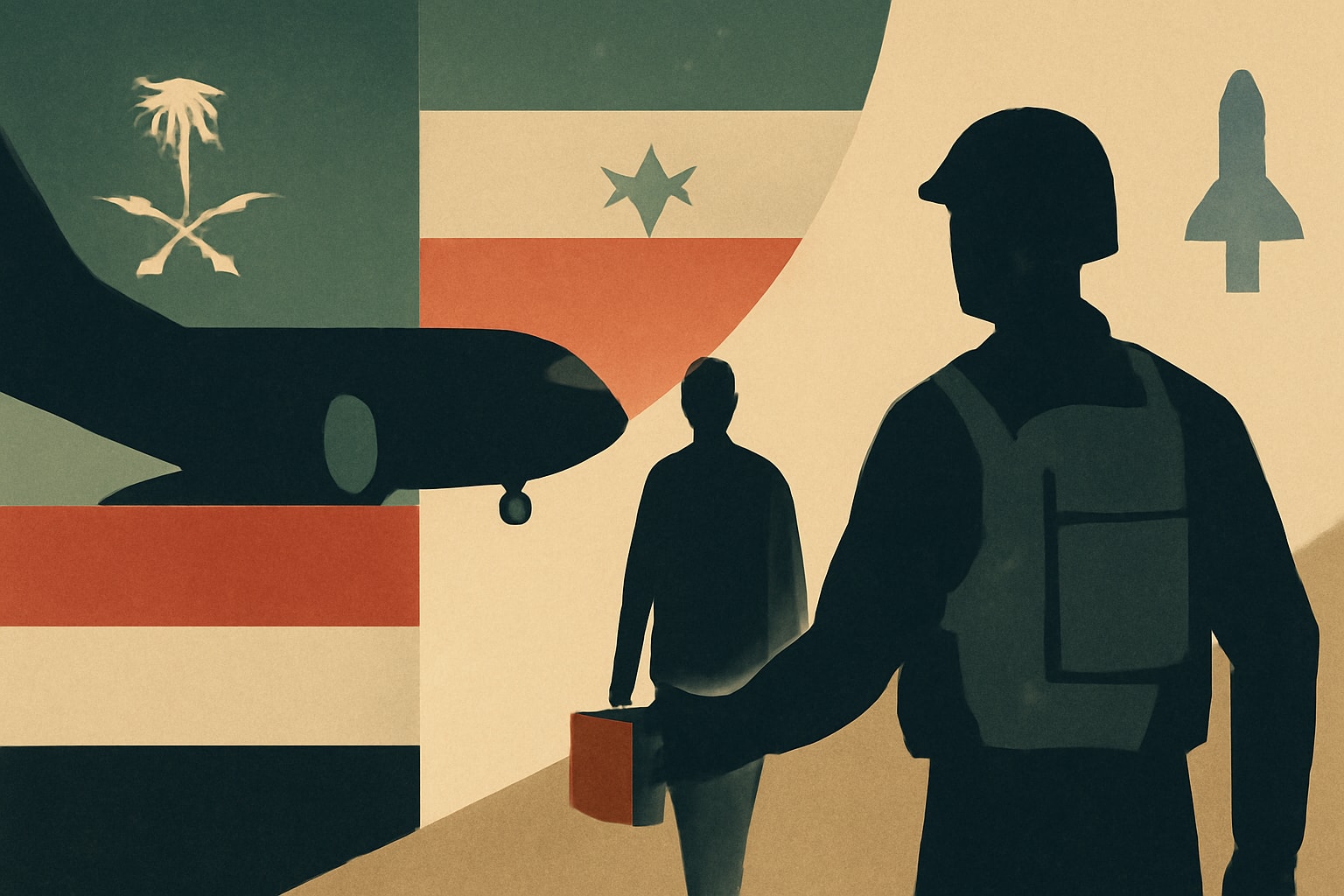
The U.S. has evacuated diplomats from Saudi Arabia as tensions with Iran and Houthi forces escalate, signaling potential military actions.
What's Happening
- •The U.S. has pulled its diplomats from Saudi Arabia amid escalating tensions in the region.
- •This action comes as the U.S. and Israel are reportedly planning renewed military strikes against Iran.
- •The situation has raised concerns about the safety of military personnel and assets in the region.
Why It Matters
The withdrawal of U.S. diplomats from Saudi Arabia highlights the escalating tensions in the Middle East, which can directly impact military operations and personnel stationed in the region. For service members and their families, understanding these developments is crucial for maintaining readiness and ensuring safety amidst potential conflict.
What Changes Now
- •The U.S. has evacuated its diplomats from Saudi Arabia, which may lead to increased military operations in the region. This could affect service members stationed nearby, necessitating heightened awareness and readiness.
- •Military families may experience changes in communication and support services as the situation evolves. It's important for families to stay connected with their local family support offices for updates.
- •Service members should prepare for potential changes in deployment orders as the U.S. reassesses its military posture in response to regional threats. Keeping in touch with unit leadership will be essential for staying informed.
What to Watch
- •Upcoming announcements from the Pentagon regarding military readiness levels. These updates will clarify how the U.S. plans to respond to the escalating tensions in the region.
- •Any changes in the security status of U.S. embassies in the Middle East. This will indicate the level of risk and may affect personnel stationed at these locations.
- •Reports on military strikes planned by the U.S. and Israel against Iran. The outcomes of these actions could significantly alter the operational landscape for U.S. forces in the area.
Get the Daily Briefing
Military and veteran news that actually affects you, in your inbox each morning.
More Context
- •Background on the Current Tensions: The escalation of tensions in the Middle East has been attributed to various factors, including Iran's nuclear ambitions and its support for Houthi rebels in Yemen. The U.S. has been closely monitoring these developments, particularly as they threaten regional stability and U.S. interests. The recent decision to withdraw diplomats underscores the seriousness of the situation, reflecting a shift in U.S. foreign policy priorities in the region.
- •Implications for Military Personnel: Active duty personnel, especially those stationed in the Central Command area, should be aware of the heightened risks associated with this diplomatic withdrawal. Service members in the Army, Navy, and Air Force, particularly those in combat roles, may face increased operational demands as the U.S. prepares for potential military action. It is crucial for these personnel to stay informed through official channels and maintain readiness for any changes in deployment status.
- •What This Means for Military Families: Military families should be prepared for potential impacts on their loved ones' deployments and assignments. The withdrawal of diplomats may lead to increased military presence in the region, which could affect family stability and support services. Families should engage with their installation's family support center for resources and updates on any changes that may arise from this situation.
- •Future Developments to Monitor: As the situation develops, service members and their families should keep an eye on announcements from the Pentagon regarding military readiness and potential deployments. The U.S. government is expected to provide further updates on its strategic plans in the Middle East, particularly concerning Iran. Additionally, any changes in the security posture of U.S. embassies and consulates in the region will be critical to monitor.
Frequently Asked Questions
Does this affect Guard members on Title 10 orders?
Yes, Guard members on Title 10 orders may see changes in their deployment status or mission requirements as tensions escalate.
Will my BAH change if I move duty stations mid-year?
If you move duty stations, your Basic Allowance for Housing (BAH) could change based on the new location and its housing rates.
What should I do if my spouse is deployed?
Stay connected with your installation's family support center for resources and support during your spouse's deployment.
The Daily Briefing
Military & veteran news that actually affects you — delivered every morning.
- Pay, benefits & policy changes
- Pentagon decisions that matter
- VA updates for veterans & families
- One email. No spam. Unsubscribe anytime.
Related Stories
- Hegseth Warns Troops Against Using Military Information for Gambling— DefenseScoop
- US Army Seeks Manufacturers for 155mm Howitzer Barrels Amid Increased Demand— Military Times
- U.S. Special Operations Command Adopts New Half-Mask and Goggles— Army Times
- US Army Considers Balloons for Military Operations in the Stratosphere— Army Times