US Navy Pursues Advanced Sonar for Helicopters to Detect Subs and Mines
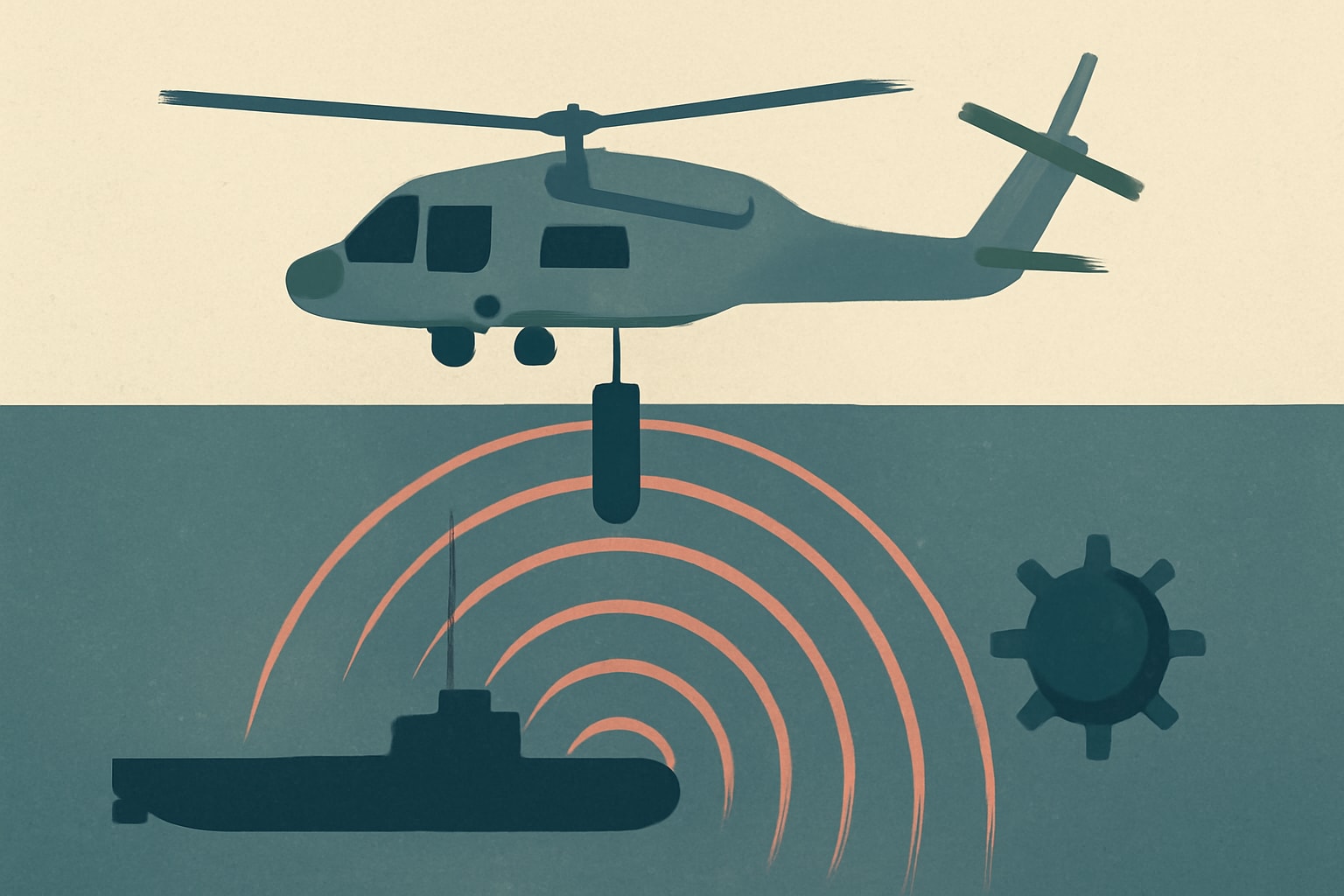
The Navy is exploring a single sonar system for helicopters to simultaneously identify submarines and mines.
What's Happening
- •The US Navy is developing a new sonar system for helicopters.
- •This system aims to detect both submarines and underwater mines.
- •The initiative seeks to streamline operations by using one technology for dual purposes.
Why It Matters
The development of a dual-function sonar system is significant for the Navy as it addresses the evolving threats in maritime environments. By enhancing detection capabilities, the Navy can improve its operational effectiveness, ensuring better protection of national security interests and maritime safety.
What Changes Now
- •The Navy is actively pursuing the development of a dual-function sonar system. This change will likely lead to improved operational efficiency and readiness for helicopter missions.
- •Current separate sonar technologies for detecting submarines and mines will be integrated into one system. This integration is expected to streamline training and operational procedures for Navy personnel.
- •The focus on advanced sonar technology indicates a shift towards more innovative approaches in naval warfare. This shift may influence future procurement and development strategies within the Navy.
What to Watch
- •Watch for announcements regarding the timeline for the sonar system's development. The Navy's research and development phase will be crucial for determining the feasibility and effectiveness of the technology.
- •Upcoming tests of the new sonar system will be critical in assessing its capabilities. These tests will provide insights into how well the system performs in real-world scenarios.
- •Keep an eye on potential partnerships with defense contractors. Collaborations may enhance the development process and bring additional expertise to the project.
Get the Daily Briefing
Military and veteran news that actually affects you, in your inbox each morning.
More Context
- •The Need for Dual-Function Sonar: The US Navy has recognized the growing need for advanced detection capabilities in modern warfare. As threats from submarines and underwater mines increase, having a versatile sonar system that can address both challenges is essential. The current approach often requires separate technologies for each task, which can complicate operations and reduce efficiency. By integrating these functions into a single system, the Navy aims to enhance its operational readiness and effectiveness in various maritime environments.
- •Technological Innovations in Sonar Systems: The development of this new sonar technology will likely involve significant advancements in acoustic detection and signal processing. Innovations may include improved algorithms that can differentiate between the signatures of submarines and mines, as well as enhanced sensitivity to detect smaller or more stealthy threats. The integration of artificial intelligence could also play a role in analyzing sonar data in real-time, providing pilots with actionable intelligence during missions. This technological leap is crucial for maintaining a competitive edge in naval warfare.
- •Implications for Navy Operations: Implementing a dual-function sonar system could lead to substantial changes in how the Navy conducts its operations. This technology may allow for quicker response times when threats are detected, as helicopters equipped with the new sonar could engage more efficiently. Furthermore, it could reduce the need for multiple aircraft types, optimizing resource allocation and training for Navy personnel. These operational efficiencies are vital for maintaining the Navy's readiness in an increasingly complex maritime landscape.
Veteran Take
For those who've served in maritime operations, the development of advanced sonar systems is a crucial step in adapting to modern threats. We know firsthand how vital it is to stay ahead of adversaries, especially when it comes to detecting submarines and mines that can jeopardize missions and lives. Enhanced detection capabilities not only bolster our national security but also reflect a commitment to ensuring that our forces have the best tools available to navigate increasingly complex environments.
The Daily Briefing
Military & veteran news that actually affects you — delivered every morning.
- Pay, benefits & policy changes
- Pentagon decisions that matter
- VA updates for veterans & families
- One email. No spam. Unsubscribe anytime.
Related Stories
- Air Force Airman Confirmed Dead After Fall During College Football Event— Military.com
- Amelia Earhart's Plane May Be Closer to Discovery After 89 Years— Military.com
- US Army Creates Robotics Technician Job to Focus on Drone Warfare— Military Times
- Army Special Operations Command Prepares for Large-Scale Warfare— Task & Purpose