US Navy to Blockade Strait of Hormuz, Trump Announces
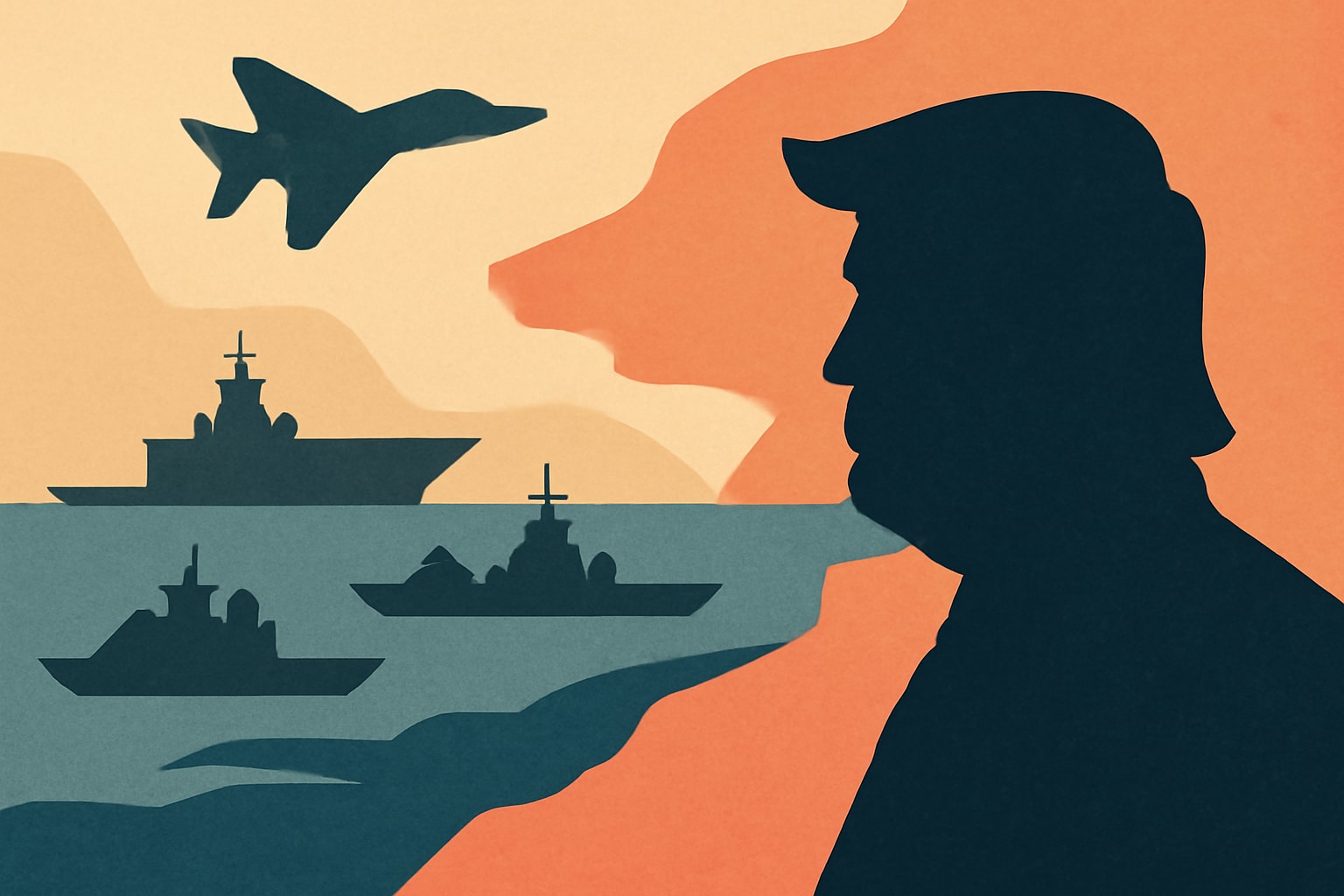
President Trump announced the US Navy will immediately blockade the Strait of Hormuz, escalating tensions in the Persian Gulf.
What's Happening
- •President Trump announced an immediate blockade of the Strait of Hormuz by the U.S. Navy.
- •The blockade aims to prevent Iranian forces from attacking U.S. or allied vessels.
- •This action follows a series of escalating incidents involving Iran and commercial shipping.
Why It Matters
The U.S. Navy's blockade of the Strait of Hormuz could significantly heighten military tensions in the Persian Gulf, potentially leading to confrontations with Iranian forces. For service members and their families, this situation may result in increased deployments and operational demands, necessitating preparedness and awareness of support resources.
What Changes Now
- •The U.S. Navy will increase its presence in the Strait of Hormuz to enforce the blockade. This increased military activity may lead to heightened tensions and the potential for confrontations with Iranian forces.
- •Global oil supplies may face disruptions due to the blockade, which could lead to price increases. Major oil-importing nations, particularly those heavily reliant on Middle Eastern oil, should prepare for potential economic impacts.
- •U.S. service members may face extended deployments and increased operational tempo in response to the blockade. Military families should stay informed and ensure their emergency plans are updated.
What to Watch
- •Monitor Iran's military response to the blockade. The Iranian leadership has indicated a strong opposition, which could lead to escalated military actions in the region.
- •Watch for developments in diplomatic efforts aimed at de-escalating the situation. International stakeholders, including European nations, may seek to mediate tensions in the coming weeks.
- •Keep an eye on global oil market reactions. Fluctuations in oil prices could signal the economic impact of the blockade and the potential for broader market disruptions.
Get the Daily Briefing
Military and veteran news that actually affects you, in your inbox each morning.
More Context
- •Immediate Blockade and Presidential Warning: In a recent announcement made via social media, President Trump declared that the U.S. Navy would initiate an immediate blockade of the Strait of Hormuz. This decision is accompanied by a stern warning to Iran, stating that any Iranian forces that fire upon U.S. or allied vessels will face severe retaliation. The blockade represents a significant escalation in ongoing tensions in the Persian Gulf, a region already fraught with conflict and instability.
- •Strategic Importance of the Strait: The Strait of Hormuz is a vital maritime corridor, through which approximately 20% of the world's oil supply is transported. This narrow passage connects the Persian Gulf to the Gulf of Oman and the Arabian Sea, making it a strategic chokepoint for global energy markets. A blockade could lead to substantial disruptions in oil supplies, potentially causing price increases and economic instability worldwide.
- •Legal and Diplomatic Implications: The legal framework surrounding the blockade raises questions about its legitimacy under international law. Typically, blockades are permissible during declared wars or with explicit authorization from the United Nations Security Council. As of now, it is unclear whether the Trump administration has sought such authorization, leading critics to argue that unilateral action could further destabilize the region and isolate the U.S. diplomatically.
- •Potential Consequences for Military Personnel: For U.S. service members and their families, this development introduces increased uncertainty regarding deployments and operational tempo. The blockade may necessitate a heightened naval presence in the region, which could lead to longer deployments and increased risk of engagement with Iranian forces. Military families should be proactive in updating their emergency preparedness plans and staying informed about available support resources.
- •Iran's Response and Future Developments: Iran has reacted defiantly to the blockade, condemning it as an act of aggression and vowing to resist any disruptions to their maritime operations. The Islamic Revolutionary Guard Corps (IRGC) has reportedly been placed on high alert, and military exercises are being conducted in the region. The coming days will be crucial in determining whether diplomatic efforts can de-escalate the situation or if tensions will escalate further.
Veteran Take
For those who've served, the announcement of a blockade in the Strait of Hormuz is a stark reminder of the unpredictable nature of military engagement. Veterans navigating this will likely feel a mix of concern for current service members and a sense of unease about the potential for conflict escalating in a region that has seen too much turmoil. Anyone who's dealt with the realities of deployment knows that these decisions impact not just military strategy, but the lives of families waiting at home.
The Daily Briefing
Military & veteran news that actually affects you — delivered every morning.
- Pay, benefits & policy changes
- Pentagon decisions that matter
- VA updates for veterans & families
- One email. No spam. Unsubscribe anytime.
Related Stories
- US Army Considers Balloons for Military Operations— Military Times
- US Army Expands Dining Options to Fit Modern Soldier Schedules— Military Times
- Army Identifies Systemic Failures Behind DC Midair Collision and Calls for Safety Fixes— Military.com
- U.S. Army Soldiers to Train on New Basics of Unmanned Systems— Military Times