US Navy Tests AI-Powered Submarine Hunter Technology
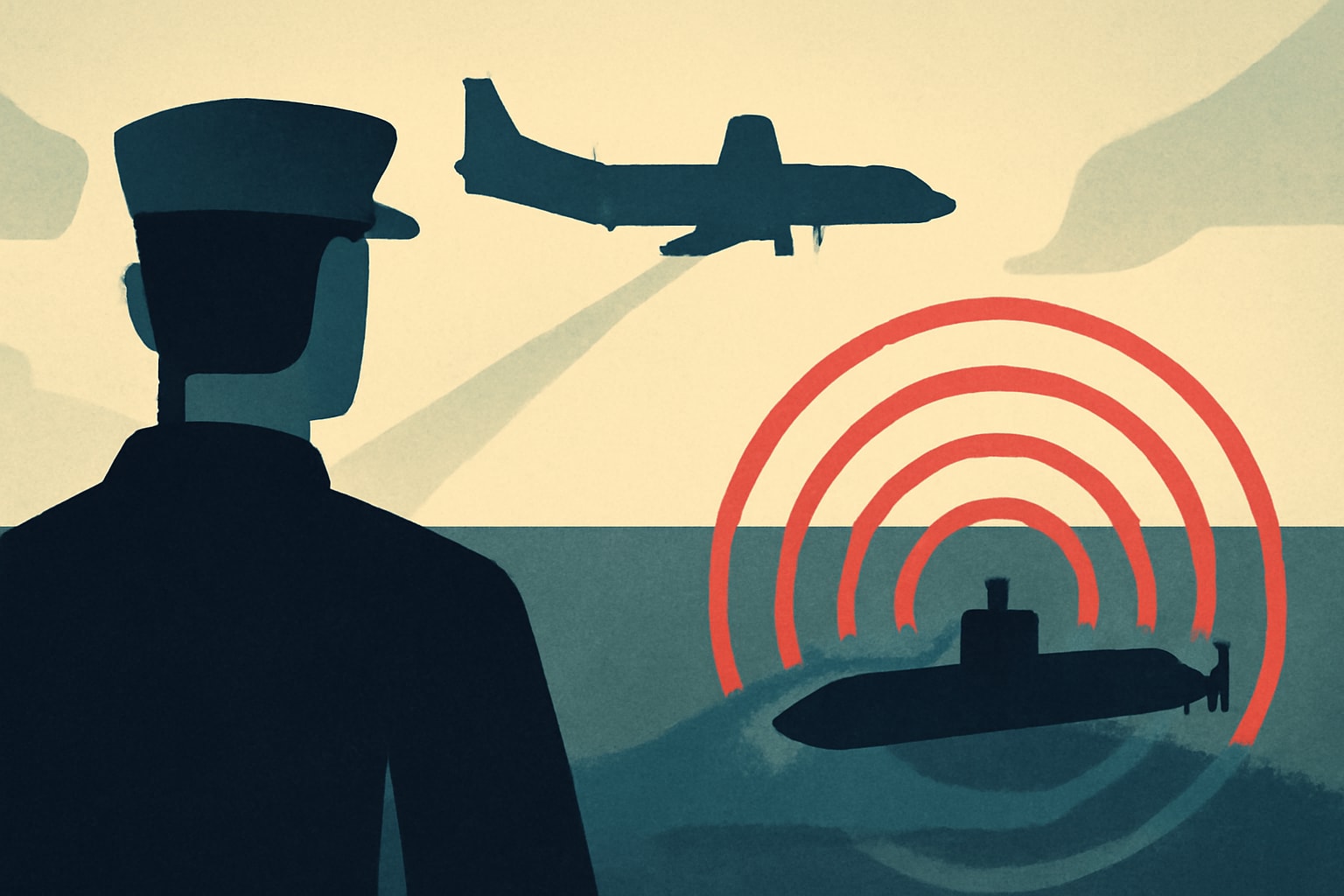
The U.S. Navy has successfully tested AI-driven sonar systems for submarine detection during the Rim of the Pacific exercise.
What's Happening
- •The U.S. Navy conducted tests of AI-powered sonar systems during the Rim of the Pacific exercise.
- •This technology aims to enhance submarine detection capabilities in maritime operations.
- •The exercise involved multiple nations, showcasing international collaboration in defense technology.
Why It Matters
The testing of AI-powered sonar systems is a critical step in modernizing the U.S. Navy's capabilities against evolving maritime threats. For military personnel and defense stakeholders, understanding these advancements is essential for adapting to new operational environments and ensuring national security.
What Changes Now
- •The Navy is integrating AI technology into its sonar systems. This change will require training updates for personnel in relevant roles to ensure effective use of the new systems.
- •Operational procedures for submarine detection will evolve with the introduction of AI tools. Service members will need to familiarize themselves with these changes to maintain effectiveness in their missions.
- •Increased collaboration with allied forces is anticipated as AI technology is shared. This will enhance joint operations and improve overall maritime security.
What to Watch
- •Upcoming evaluations of AI sonar systems are scheduled for the next year. These evaluations will determine the effectiveness and operational readiness of the technology.
- •The Navy's procurement decisions regarding AI technology will be influenced by test results. Stakeholders should monitor announcements for potential shifts in defense spending.
- •Future integration of AI systems into other naval platforms is a possibility. This could expand the capabilities of the Navy and enhance joint operations with allied forces.
Get the Daily Briefing
Military and veteran news that actually affects you, in your inbox each morning.
More Context
- •Overview of the AI-Powered Sonar System: The U.S. Navy's recent tests of artificial intelligence-powered sonar systems represent a significant advancement in underwater warfare technology. This innovative system utilizes machine learning algorithms to analyze sonar data, allowing for more accurate detection of submarines. By processing vast amounts of data in real time, the AI can identify and track potential threats more efficiently than traditional methods. This capability is crucial as submarine warfare becomes increasingly complex, with adversaries employing stealth techniques to evade detection.
- •Implications for Maritime Security: The successful testing of AI sonar technology has far-reaching implications for maritime security. As global tensions rise, the ability to detect submarines quickly and accurately is vital for maintaining naval superiority. This technology not only enhances the Navy's operational capabilities but also strengthens alliances with partner nations involved in the Rim of the Pacific exercise. By sharing advancements in defense technology, the U.S. Navy is fostering greater collaboration and preparedness among allied forces.
- •Impact on Service Members: Active duty personnel, particularly those in naval warfare specialties such as Sonar Technicians (ST) and Intelligence Specialists (IS), will see direct impacts from this technological advancement. Training programs will likely be updated to incorporate the use of AI systems, requiring service members to adapt to new tools and methodologies. This shift emphasizes the importance of continuous education and skill development in an evolving technological landscape.
- •Future Developments to Monitor: As the Navy continues to refine AI-powered sonar systems, service members and defense stakeholders should keep an eye on future developments. Upcoming tests and evaluations are expected to take place over the next year, with results influencing broader naval strategy and procurement decisions. Additionally, the integration of AI technology into other naval platforms could be on the horizon, further enhancing the Navy's operational capabilities.
Frequently Asked Questions
How will this technology affect Navy sonar technicians?
Sonar technicians will need to undergo training on the new AI systems to effectively utilize them in operations.
Will AI technology be used in other branches of the military?
While this test was specific to the Navy, other branches are likely to explore similar technologies for their operations.
What are the potential risks of using AI in military operations?
Potential risks include reliance on technology that may not perform as expected in all scenarios, highlighting the need for human oversight.
The Daily Briefing
Military & veteran news that actually affects you — delivered every morning.
- Pay, benefits & policy changes
- Pentagon decisions that matter
- VA updates for veterans & families
- One email. No spam. Unsubscribe anytime.
Related Stories
- BAE Systems Delivers Two AMPV 30 Prototypes to the Army— DefenseScoop
- Navy Expands Online Marketplace for Sea Drones and Vendors— DefenseScoop
- Saildrone Achieves First Flag Registration for Naval Surveillance Drone in Denmark— Military Times
- Massachusetts Air National Guard Receives First F-35 Fighter Jet— Air & Space Forces Magazine