US Navy Awards Contracts for 30 Medium Unmanned Surface Vessels
The U.S. Navy has contracted three firms to build 30 medium unmanned surface vessels at approximately $40 million each.
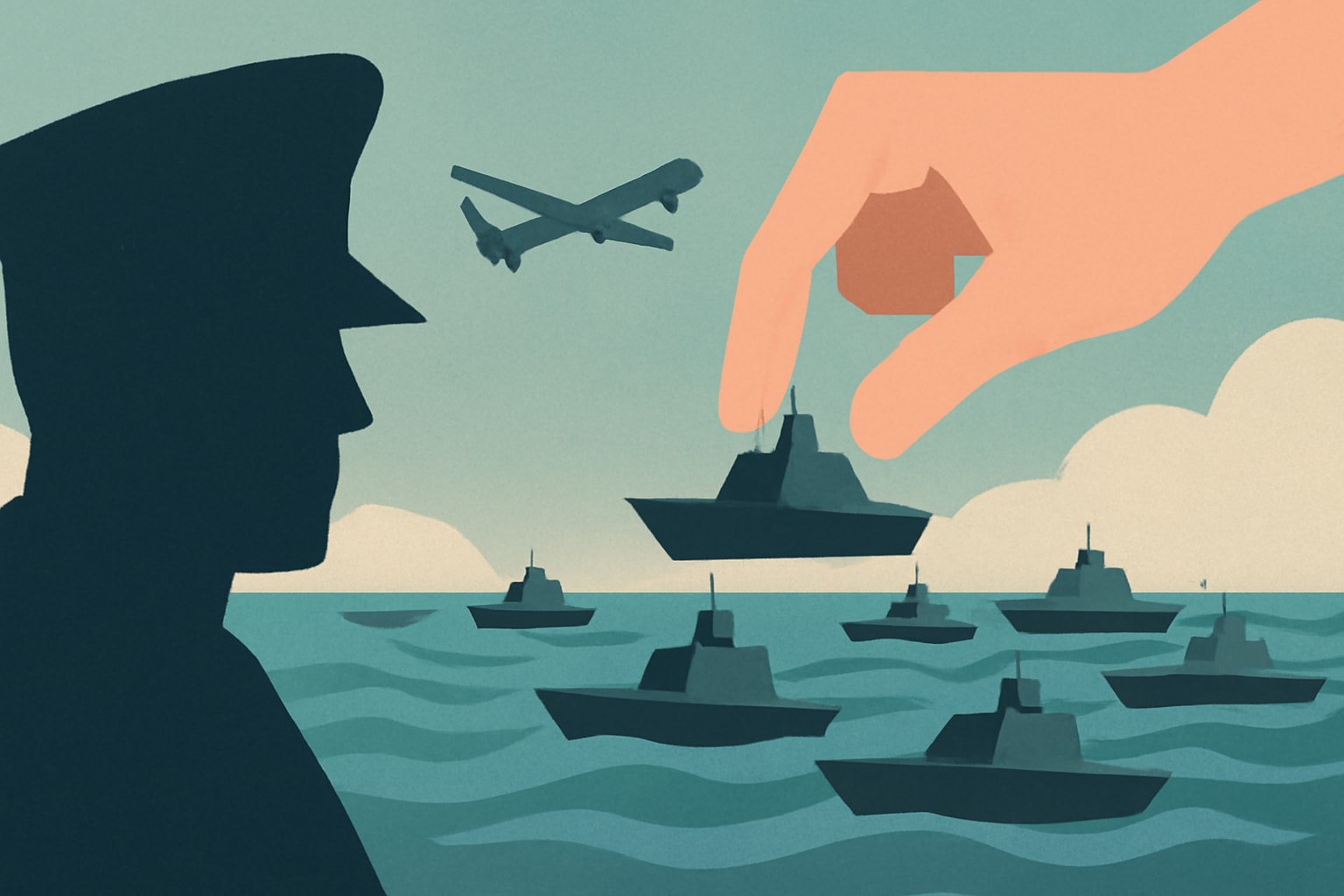
What's Happening
- •The U.S. Navy has awarded contracts to three defense companies for the production of 30 medium unmanned surface vessels.
- •Each vessel will cost around $40 million, reflecting the Navy's investment in unmanned technology.
- •The contracts are part of the Navy's broader strategy to enhance maritime capabilities.
Why It Matters
This contract award is a pivotal moment for the Navy as it embraces unmanned technology to enhance its operational capabilities. For service members, particularly those in maritime roles, this shift represents both opportunities and challenges as they adapt to new systems and technologies in their daily operations.
What Changes Now
- •The Navy will begin the production of 30 medium unmanned surface vessels, enhancing its maritime capabilities. This change will affect operational strategies and training for personnel involved in naval operations.
- •Contractors will start developing these vessels, which may lead to new job opportunities in the defense sector. Personnel in engineering and operations may need to adapt to new technologies as these vessels are integrated into the fleet.
- •The introduction of MUSVs may alter existing protocols for naval operations, requiring updates to training programs. Sailors will need to familiarize themselves with the operational capabilities and limitations of these unmanned systems.
What to Watch
- •Monitor the delivery timeline for the MUSVs, as this will impact future naval operations. The Navy has not yet specified exact delivery dates, but updates are expected in the coming months.
- •Watch for results from operational testing phases, which will determine the effectiveness of the MUSVs. These tests will be crucial in assessing how well the vessels integrate with current fleet operations.
- •Keep an eye on upcoming budget proposals from the Navy, which will reflect ongoing investments in unmanned technology. Decisions made in these proposals will shape future procurement strategies and operational capabilities.
Get the Daily Briefing
Military and veteran news that actually affects you, in your inbox each morning.
More Context
- •Overview of the Contracts: The U.S. Navy has selected three defense contractors to produce 30 medium unmanned surface vessels (MUSVs). This decision marks a significant step in the Navy's ongoing efforts to modernize its fleet and incorporate advanced technology into its operations. The awarded contracts are expected to enhance the Navy's capabilities in maritime surveillance, reconnaissance, and anti-surface warfare. Each vessel is projected to cost approximately $40 million, indicating a substantial investment in unmanned maritime systems.
- •Implications for Military Operations: The introduction of MUSVs is set to transform naval operations by providing enhanced situational awareness and reducing the risk to crewed vessels. These unmanned vessels can operate in high-threat environments, allowing for more strategic deployment of resources. Additionally, the use of MUSVs aligns with the Navy's shift towards a more technology-driven approach, emphasizing the importance of unmanned systems in future conflicts. This transition could lead to changes in training and operational protocols for personnel involved in naval operations.
- •Who Will Be Affected?: Active duty personnel, particularly those in naval operations and engineering fields, will see the most direct impact from the introduction of MUSVs. Sailors in ranks E-4 to E-6, especially those with ratings in operations and engineering, may need to adapt to new technologies and operational procedures. Furthermore, defense civilians involved in procurement and maintenance will also play a crucial role in the integration of these vessels into the fleet.
- •Future Developments to Monitor: As the Navy moves forward with this initiative, several key developments are on the horizon. The first is the timeline for the delivery of the MUSVs, which will be crucial for planning future naval operations. Additionally, stakeholders should watch for updates on the operational testing phases, which will determine how effectively these vessels can be integrated into existing fleets. Finally, the Navy's budget proposals in upcoming fiscal years will likely reflect the ongoing commitment to unmanned systems, shaping future procurement strategies.
Frequently Asked Questions
Does this affect Guard members on Title 10 orders?
Yes, Guard members on Title 10 orders may be involved in operations utilizing the new MUSVs, especially during joint exercises or deployments.
Will my BAH change if I move duty stations mid-year?
Your Basic Allowance for Housing (BAH) may change if you move to a new duty station with a different BAH rate. It is important to check the current BAH rates for your new location.
The Daily Briefing
Military & veteran news that actually affects you — delivered every morning.
- Pay, benefits & policy changes
- Pentagon decisions that matter
- VA updates for veterans & families
- One email. No spam. Unsubscribe anytime.
Related Stories
- Defense Secretary Hegseth to Cut 20% of Generals and Flag Officers— Air & Space Forces Magazine
- Pentagon and Army Unveil Billions in Counter-Drone Technology Awards— DefenseScoop
- Air Force and Civilian Staff Dispute Future of China Aerospace Studies Institute— Military Times
- CENTCOM Transforms into a Testing Ground for Unmanned Systems— Military Times