U.S. Navy Should Target Chinese Aircraft Carriers, Report Advises
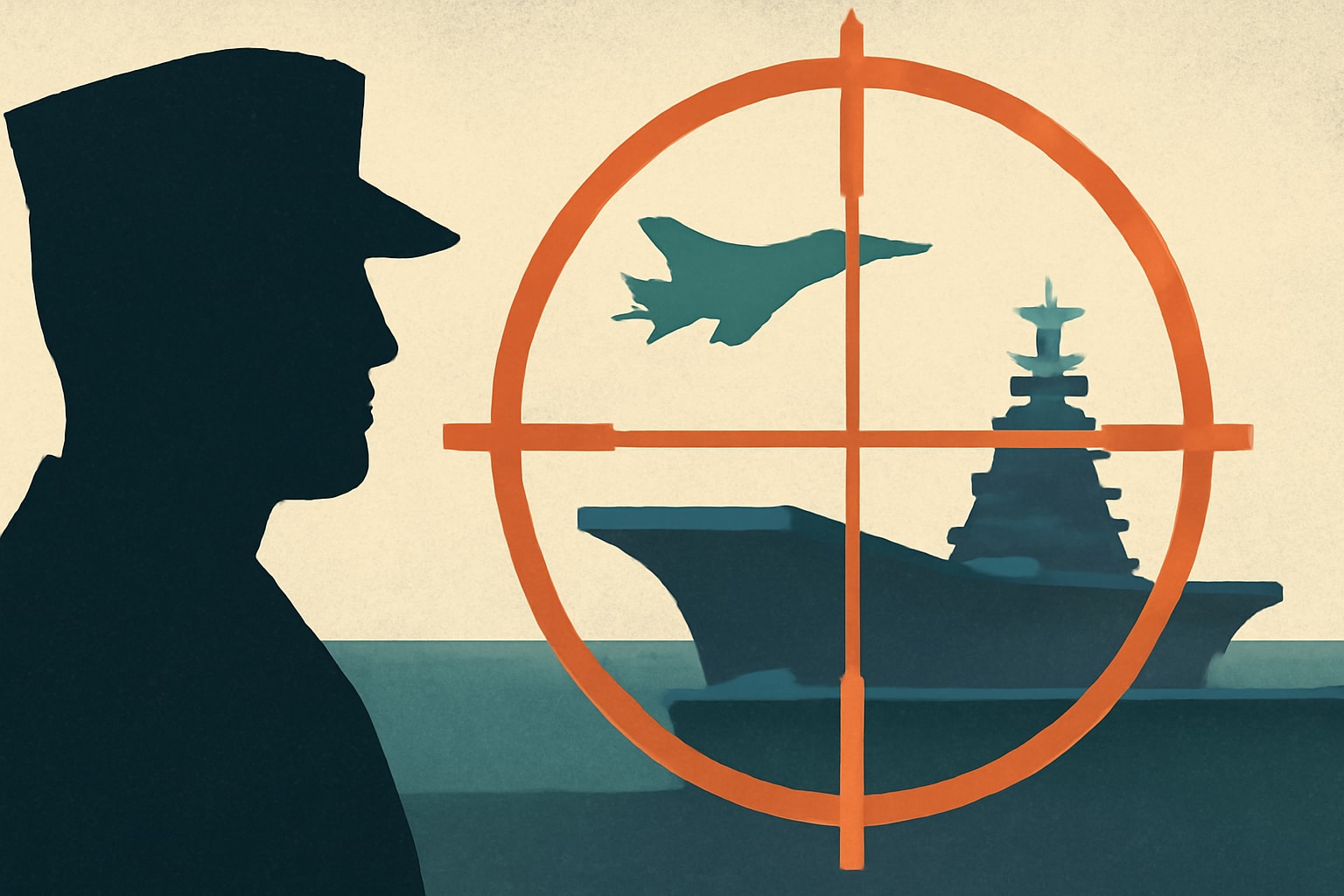
A think tank report recommends the U.S. Navy adopt tactics to counter Chinese naval power by focusing on aircraft carriers.
What's Happening
- •A U.S. think tank has proposed a strategy for the Navy to target Chinese aircraft carriers.
- •The report suggests using tactics similar to those China plans against U.S. naval vessels.
- •This strategy comes amid rising tensions between the U.S. and China in the Indo-Pacific region.
Why It Matters
As tensions rise between the U.S. and China, understanding the strategic implications of this report is crucial for military personnel. The Navy's approach to countering Chinese naval power will directly affect operational readiness and tactics, which are vital for maintaining U.S. dominance in the Indo-Pacific region.
What Changes Now
- •The Navy may begin to implement new tactics targeting Chinese aircraft carriers. This change will require training updates for active duty personnel, particularly in surface and aviation warfare roles.
- •Increased emphasis on intelligence and reconnaissance operations is likely. Personnel will need to adapt to new operational procedures that focus on monitoring and countering Chinese naval movements.
- •Deployment strategies may shift to prioritize areas where Chinese carriers operate. This could affect the assignment of ships and personnel to ensure readiness for potential engagements.
What to Watch
- •Monitor upcoming Navy training exercises that may incorporate new tactics. These exercises will be crucial for ensuring that personnel are prepared for the evolving threat landscape.
- •Watch for announcements regarding changes in deployment schedules for Pacific-based naval units. Adjustments may reflect the Navy's strategic focus on countering China.
- •Keep an eye on congressional discussions about military funding and resources for naval operations. Funding decisions will impact the Navy's ability to implement the recommended strategies.
Get the Daily Briefing
Military and veteran news that actually affects you, in your inbox each morning.
More Context
- •Strategic Overview: The report from a U.S. think tank emphasizes the need for the Navy to adapt its strategies in response to China's growing naval capabilities. By focusing on Chinese aircraft carriers, the U.S. can potentially neutralize a significant threat in the Indo-Pacific. The recommendation aligns with ongoing military assessments that highlight the importance of countering China’s assertive maritime posture.
- •Implications for U.S. Naval Operations: Adopting this strategy may require a shift in operational focus for the Navy, particularly for units stationed in the Pacific. Active duty officers, especially those in surface warfare roles (e.g., 1110, 1120), will need to integrate new tactics into their training and operational planning. This change could influence deployment strategies and resource allocation, emphasizing the need for enhanced intelligence and reconnaissance capabilities.
- •Impact on Military Readiness: The proposed strategy could lead to increased readiness requirements for Navy personnel, particularly for those in the aviation and surface warfare communities. Sailors in rates such as aviation support (Aviation Boatswain's Mate) and surface warfare officers may see changes in their training regimens to prepare for potential engagements with Chinese forces. This shift underscores the importance of maintaining a high state of readiness in an evolving geopolitical landscape.
- •What This Means for Service Members: For service members, this report highlights the dynamic nature of military strategy and the necessity for adaptability. Active duty personnel, particularly those in leadership positions, will need to stay informed about these strategic shifts to effectively prepare their teams. Additionally, the focus on targeting enemy carriers may influence future training exercises and operational scenarios, ensuring that service members are equipped to handle emerging threats.
Frequently Asked Questions
Does this affect Guard members on Title 10 orders?
Yes, Guard members on Title 10 orders may be involved in operations that align with the Navy's new strategic focus, particularly if they are assigned to support roles in the Indo-Pacific.
Will my BAH change if I move duty stations mid-year?
Your Basic Allowance for Housing (BAH) may change if you move to a location with a different BAH rate, which could be influenced by the Navy's operational needs in response to this new strategy.
The Daily Briefing
Military & veteran news that actually affects you — delivered every morning.
- Pay, benefits & policy changes
- Pentagon decisions that matter
- VA updates for veterans & families
- One email. No spam. Unsubscribe anytime.
Related Stories
- Marine Corps Requires Annual Gas Mask Fit Tests for All Marines— Military.com
- How the Army Used ‘Ghost Tapes’ for Psychological Warfare in Vietnam— Military.com
- CMMC Reform: Pentagon Calls for Transition Plan to Sustain Momentum— Federal News Network
- Georgia National Guard Helicopters Assist Police in Marijuana Enforcement— Task & Purpose