US Navy F/A-18 Super Hornet Strikes Oil Tanker in Gulf of Oman
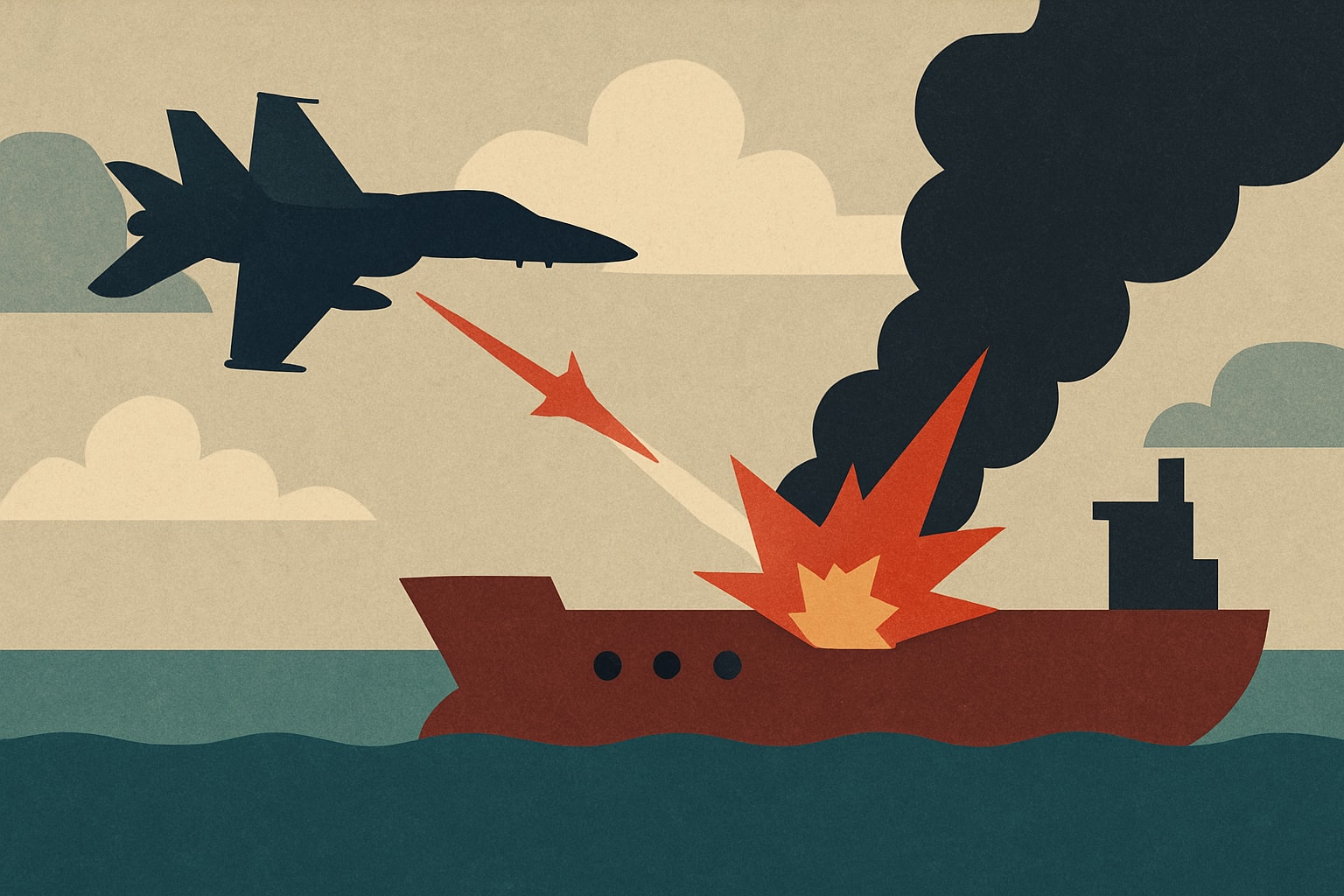
A precision strike by the USS Abraham Lincoln's F/A-18 Super Hornet disables an oil tanker in the Gulf of Oman.
What's Happening
- •An F/A-18 Super Hornet from the USS Abraham Lincoln executed a precision strike.
- •The strike targeted the vessel's engineering and steering spaces.
- •This action took place in the Gulf of Oman.
Why It Matters
This incident illustrates the U.S. Navy's operational capabilities and readiness to respond to threats in strategic waterways. For military personnel and veterans, it emphasizes the importance of maintaining a strong presence in areas critical to national security and global trade.
What Changes Now
- •The Navy may increase operational tempo in the Gulf of Oman following this strike. This could lead to more frequent missions and heightened readiness for personnel involved in maritime operations.
- •Service members may need to prepare for potential escalations in military engagement in the region. This preparation could involve additional training or briefings on operational security and rules of engagement.
- •Families of active-duty service members should be aware of the potential for increased deployments or operational changes. Staying informed through official channels will be crucial during this period.
What to Watch
- •Monitor official Navy communications for updates on operational changes in the Gulf of Oman. These updates may provide insight into future missions or shifts in strategy.
- •Watch for international responses to the strike, particularly from nations with interests in the region. Diplomatic developments could influence U.S. military posture and engagement.
- •Keep an eye on upcoming defense briefings or congressional discussions regarding military readiness and operations in the Gulf. These discussions may shape future policy and resource allocation.
Get the Daily Briefing
Military and veteran news that actually affects you, in your inbox each morning.
More Context
- •Details of the Strike: On June 8, 2026, an F/A-18 Super Hornet from the USS Abraham Lincoln conducted a precision strike against an oil tanker in the Gulf of Oman. The strike was aimed specifically at the vessel's engineering and steering compartments, effectively disabling its operational capabilities. This action underscores the Navy's commitment to maintaining maritime security and responding to threats in critical regions.
- •Military Implications: The strike demonstrates the U.S. Navy's readiness to engage in direct action when necessary. For active-duty personnel, particularly those in naval aviation or related roles, this incident may highlight the importance of precision weaponry and operational protocols in modern warfare. Such actions can also influence future training exercises and operational planning within naval forces.
- •Potential Reactions and Consequences: The international community may respond to this strike with heightened scrutiny regarding U.S. military operations in the region. This could lead to diplomatic discussions or tensions with nations that have vested interests in the Gulf of Oman. Active duty service members and their families should stay informed about potential shifts in U.S. foreign policy or military engagement that may arise from this incident.
Frequently Asked Questions
Does this affect Guard members on Title 10 orders?
Yes, if there are increased operations in the Gulf of Oman, Guard members on Title 10 orders may be called to support these missions.
Will my BAH change if I move duty stations mid-year?
Your Basic Allowance for Housing (BAH) may change if you move to a different location, as BAH rates are based on the cost of living in your new duty station.
Veteran Take
For those who've served, incidents like this remind us of the critical role we play in safeguarding national interests and ensuring safe passage in vital waterways. It's a testament to the training and readiness of our forces, highlighting the importance of maintaining a strong military presence to deter threats. Veterans navigating this will recognize the complexities of such operations, knowing firsthand the stakes involved in every mission.
The Daily Briefing
Military & veteran news that actually affects you — delivered every morning.
- Pay, benefits & policy changes
- Pentagon decisions that matter
- VA updates for veterans & families
- One email. No spam. Unsubscribe anytime.
Related Stories
- FEDVIP Dental Premiums to Rise 1%, Vision Premiums by 1.6% for 2027— Military.com
- Pentagon Threatens Universities Over Foreign Ties, Considers Audits— DefenseScoop
- Pentagon's Study on Women in Combat Sparks Questions and Concerns— Defense News
- US Navy Deploys Unmanned Maritime Drone to Support Carrier Strike Group— DefenseScoop