US Navy Conducts First Live-Fire Training with GARC Uncrewed Vessel
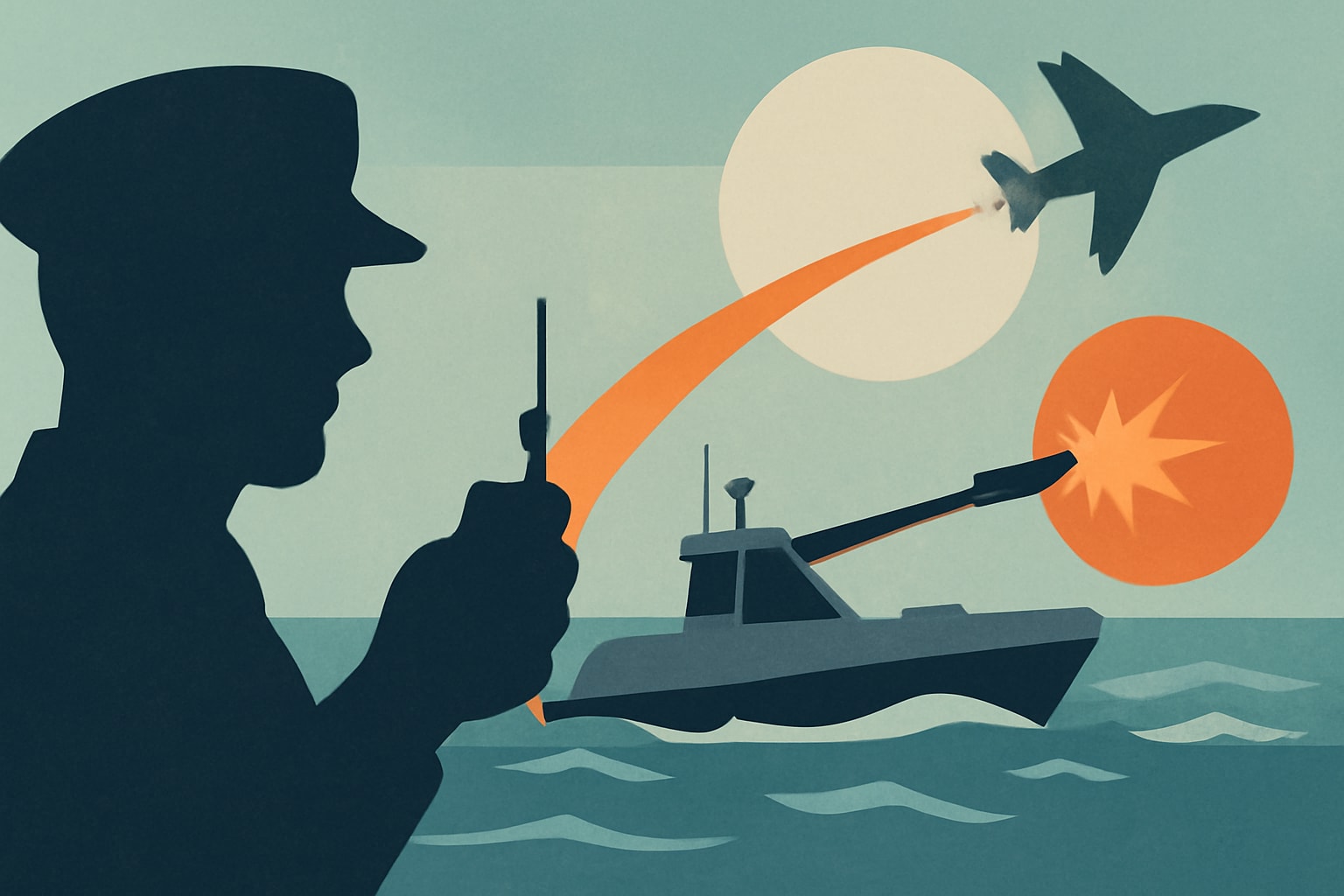
The Navy's Global Autonomous Reconnaissance Craft has completed its inaugural live-fire training exercise, marking a significant step in naval warfare technology.
What's Happening
- •The US Navy has confirmed the first live-fire training exercise of its Global Autonomous Reconnaissance Craft (GARC).
- •This exercise represents a significant milestone in the Navy's integration of uncrewed systems into naval operations.
- •The GARC is designed for reconnaissance missions and can operate autonomously in various maritime environments.
Why It Matters
The introduction of the GARC into the Navy's operational framework marks a significant advancement in naval warfare technology. For service members, especially those in technical roles, this development means adapting to new systems that could redefine how missions are conducted and enhance overall maritime security.
What Changes Now
- •The successful live-fire training of the GARC indicates a shift in naval operational strategies. Personnel in relevant roles will need to familiarize themselves with the GARC's systems and operational protocols.
- •Training programs will likely be updated to include instruction on uncrewed vessel operations. This will prepare service members for future missions involving GARC and similar technologies.
- •The Navy may increase the frequency of live-fire exercises with the GARC. This will provide ongoing opportunities for personnel to engage with the technology and refine their skills.
What to Watch
- •Upcoming live-fire exercises will test the GARC's capabilities in various scenarios. These exercises will provide insights into its effectiveness and inform future operational strategies.
- •The Navy is expected to release additional details on the integration of GARC technology into existing fleets. This will clarify how uncrewed systems will complement traditional naval assets.
- •Future announcements from Navy leadership regarding the strategic direction of uncrewed systems will be pivotal. These decisions will shape the future landscape of naval operations.
Get the Daily Briefing
Military and veteran news that actually affects you, in your inbox each morning.
More Context
- •Overview of the GARC: The Global Autonomous Reconnaissance Craft (GARC) is an innovative uncrewed surface vessel developed by the US Navy to enhance maritime reconnaissance capabilities. It is equipped with advanced sensors and communication systems, allowing it to gather intelligence and relay information in real-time. Designed for versatility, the GARC can operate in diverse environments, making it a valuable asset in modern naval warfare. Its autonomous capabilities enable it to conduct missions without direct human intervention, which can significantly reduce risk to personnel in hostile situations.
- •Significance of Live-Fire Training: Conducting live-fire training exercises with the GARC is a crucial step in validating its operational effectiveness. These exercises allow the Navy to assess the vessel's performance in real-world scenarios, ensuring it can respond effectively to threats. Live-fire training not only tests the vessel's capabilities but also provides invaluable data that can be used to refine tactics and improve future operations. For service members involved in naval operations, this advancement signifies a shift towards more automated and efficient maritime strategies.
- •Impact on Service Members: The deployment of the GARC and its successful live-fire training exercise will have implications for various ranks and roles within the Navy. Active duty personnel, particularly those in technical and operational roles, will need to adapt to the integration of uncrewed systems into their missions. Training programs will likely evolve to include instruction on operating and maintaining these new technologies. This shift may also influence career progression for enlisted personnel, as expertise in advanced systems becomes increasingly valuable.
- •Future Developments to Monitor: As the Navy continues to explore the capabilities of the GARC, several upcoming developments are worth monitoring. Future exercises will likely expand the operational scope of the GARC, testing its effectiveness in various combat scenarios. Additionally, the Navy may release further information regarding the integration of GARC technology into existing naval fleets. Stakeholders should keep an eye on announcements from Navy leadership regarding the strategic direction of uncrewed systems in naval warfare.
Frequently Asked Questions
Does this affect Guard members on Title 10 orders?
Yes, Guard members on Title 10 orders may be involved in training exercises that utilize the GARC and other uncrewed systems.
Will my training change with the introduction of the GARC?
Yes, training programs will likely be updated to include the operation and maintenance of uncrewed vessels like the GARC.
Veteran Take
For those who've served, the introduction of the GARC uncrewed vessel represents a pivotal shift in how we think about naval operations. As technology evolves, veterans navigating this landscape will need to embrace new skills and adapt to innovative systems that can enhance mission effectiveness. It's a reminder that our military continues to evolve, and we must stay engaged with these advancements to ensure our legacy of service remains relevant.
The Daily Briefing
Military & veteran news that actually affects you — delivered every morning.
- Pay, benefits & policy changes
- Pentagon decisions that matter
- VA updates for veterans & families
- One email. No spam. Unsubscribe anytime.
Related Stories
- F-35 Proves Combat Readiness During Middle East Deployments— Military Times
- New Fitness Test Standards for Female Marines Show High Pass Rates— Military Times
- Conflicts of Interest in Military Housing Raise Concerns for Service Members— Federal News Network
- US and South Korea to Reduce Length and Scope of Military Drills— Army Times