US Munitions Depletion from Iran Conflict Could Take Years to Restore
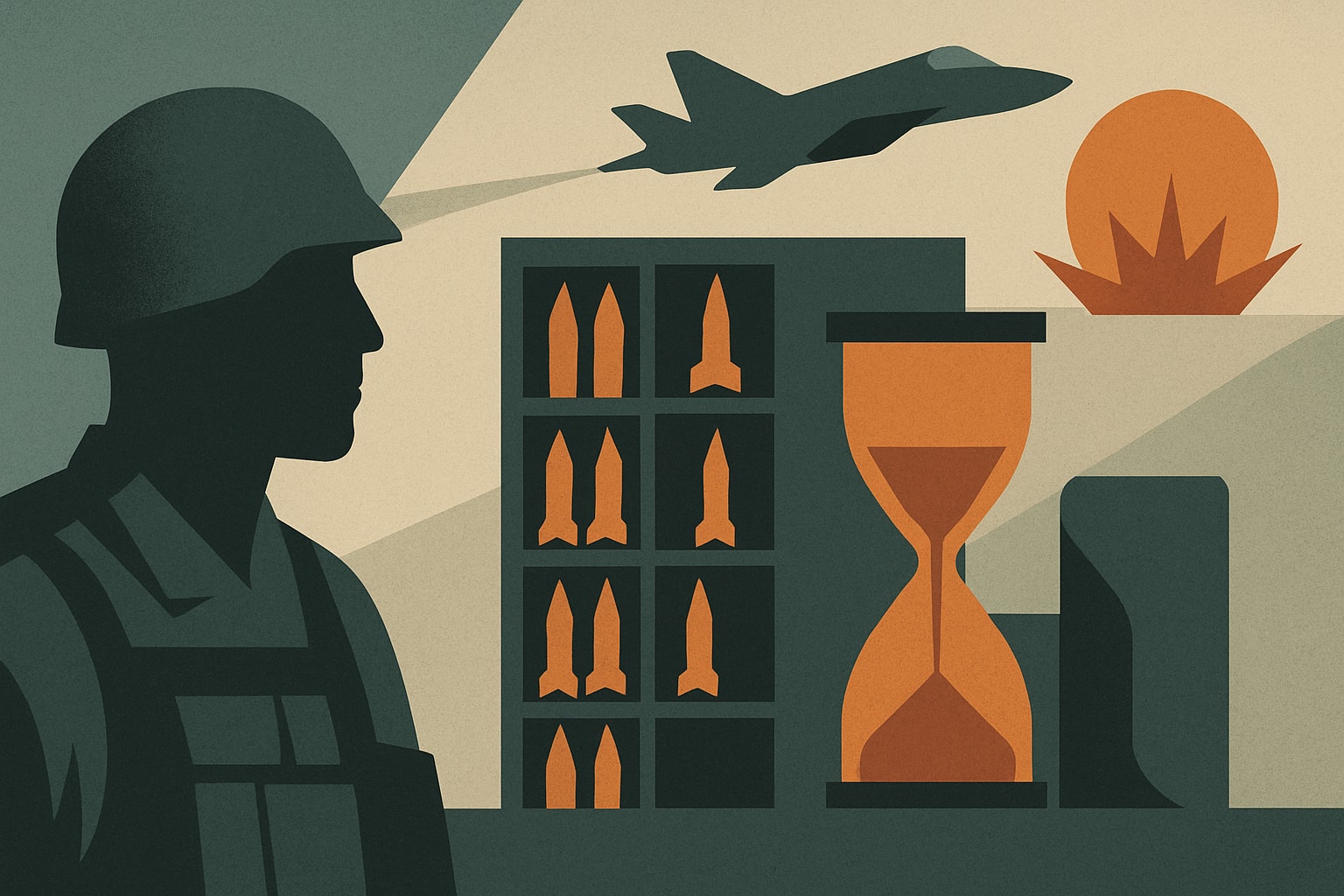
A new analysis indicates that U.S. munitions stockpiles may not be fully replenished until 2030 or 2031.
What's Happening
- •An analysis reveals that U.S. munitions stockpiles are significantly depleted due to the Iran war.
- •Restoration of critical weapons systems could take until 2030 or 2031.
- •This situation creates a potential 'window of vulnerability' for U.S. military operations.
Why It Matters
The depletion of U.S. munitions stockpiles is a pressing issue that directly affects military readiness and operational capabilities. For service members and veterans, understanding the implications of this situation is crucial, as it may impact future deployments, training exercises, and overall national security.
What Changes Now
- •The military is prioritizing the assessment of current munitions inventory. This will help identify critical shortages and inform replenishment strategies.
- •Service members may experience changes in training schedules due to limited ammunition availability. This could affect readiness and operational preparedness in the near term.
- •Military leadership is expected to develop strategic plans for munitions replenishment. This includes reallocating resources and possibly increasing production rates.
What to Watch
- •Monitor announcements from the Department of Defense regarding munitions procurement strategies. These updates will provide insight into how quickly the military can restore its stockpiles.
- •Watch for changes in training schedules for combat arms units. Adjustments may indicate the military's response to munitions shortages.
- •Keep an eye on congressional discussions about defense budgets and appropriations for munitions. Funding decisions will significantly impact replenishment timelines.
Get the Daily Briefing
Military and veteran news that actually affects you, in your inbox each morning.
More Context
- •Current State of U.S. Munitions: The U.S. military is facing a significant shortfall in munitions as a direct result of ongoing operations in the Iran conflict. With stockpiles dwindling, the military's ability to respond to new threats is compromised. This depletion affects various branches, particularly impacting combat arms units such as infantry and artillery. The analysis emphasizes that the current inventory levels are below optimal operational readiness, which could hinder the U.S. military's response capabilities in future conflicts.
- •Implications for Military Readiness: The depletion of munitions raises serious concerns about military readiness across all components, including Active Duty, Guard, and Reserve forces. For example, infantry soldiers in the ranks of E-4 to E-6 may experience delays in training and operational deployments due to insufficient ammunition supplies. This situation could lead to a strategic disadvantage, especially if the U.S. is engaged in multiple theaters of operation simultaneously. The military must prioritize replenishing these stocks to maintain its global commitments.
- •Restoration Timeline and Strategic Planning: According to the analysis, full restoration of munitions stockpiles may not occur until 2030 or 2031. This timeline necessitates immediate action from military leadership to develop strategic plans for replenishment. The Department of Defense will need to allocate resources effectively and consider alternative sourcing options to expedite the process. Additionally, ongoing assessments of the current inventory will be crucial to ensure that the military can adapt to evolving threats while managing limited resources.
Frequently Asked Questions
Does this affect Guard members on Title 10 orders?
Yes, Guard members on Title 10 orders may face training delays due to limited ammunition availability.
Will my BAH change if I move duty stations mid-year?
Your Basic Allowance for Housing (BAH) may change based on your new duty station's rates.
Veteran Take
For those who've served, the depletion of munitions stockpiles raises serious concerns about our military's readiness. We know firsthand how critical it is to have the right resources available for training and operations. This situation not only affects current service members but also has long-term implications for veterans who rely on a strong national defense.
The Daily Briefing
Military & veteran news that actually affects you — delivered every morning.
- Pay, benefits & policy changes
- Pentagon decisions that matter
- VA updates for veterans & families
- One email. No spam. Unsubscribe anytime.
Related Stories
- Air Force Seeks Next-Gen Perimeter Air Defense Radars to Replace Aging Systems— Air & Space Forces Magazine
- AFRL Partners with Virgin Galactic to Collect Space Weather Data— Air & Space Forces Magazine
- Army Implements AI Technology to Tackle Biological Threats— DefenseScoop
- Space Force Completes Transfers of Air Force Reserve and National Guard Members— Air & Space Forces Magazine