US Military Must Adapt as Autonomous Systems Change Warfare Landscape
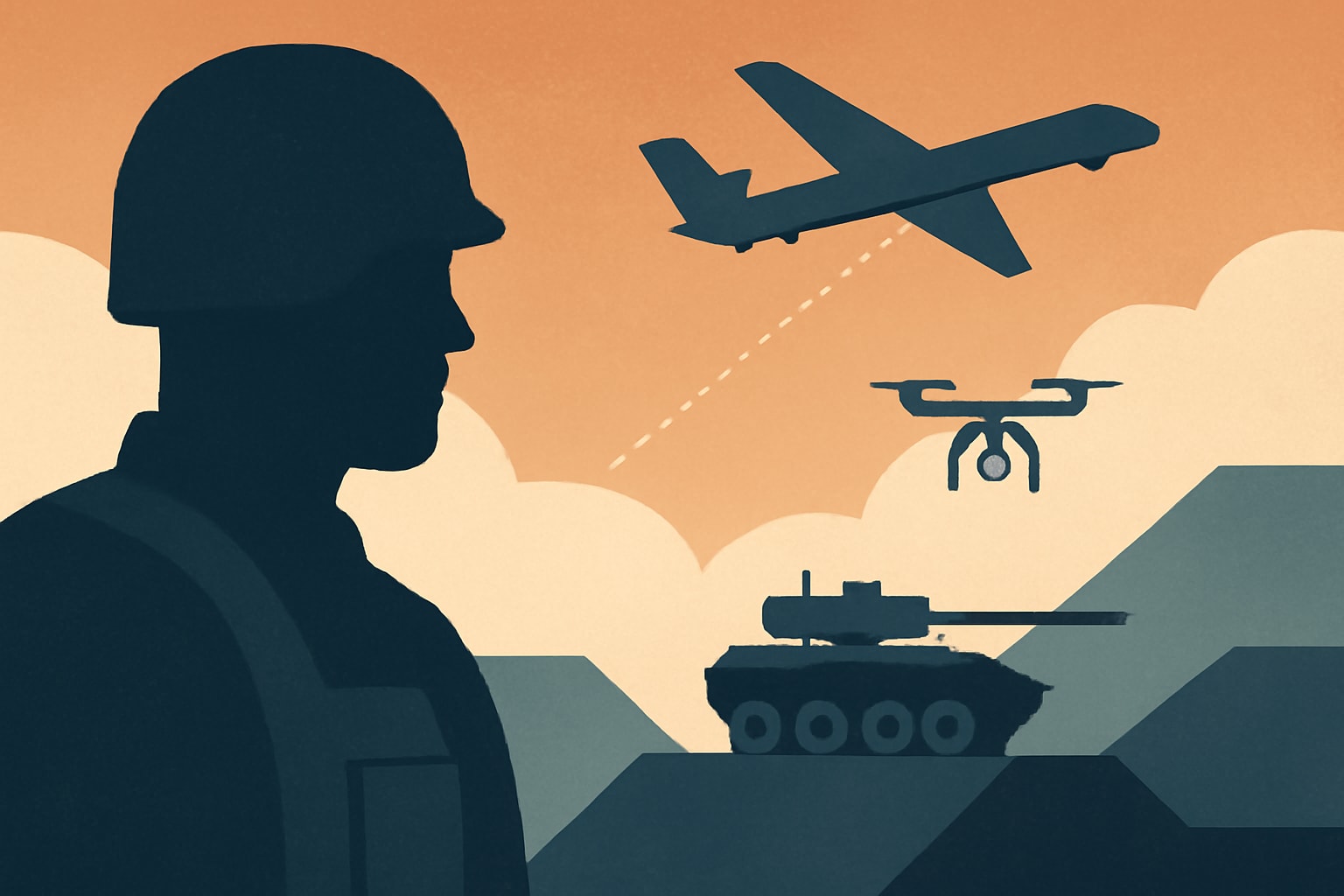
Gen. Dan Caine warns that AI and autonomous systems will fundamentally alter military operations and tactics.
What's Happening
- •Joint Chiefs of Staff Chairman Gen. Dan Caine highlights the evolving role of AI in military operations.
- •Caine states that military formations will increasingly be targeted by autonomous systems.
- •The military must adapt its strategies and training to counter these technological advancements.
Why It Matters
The integration of AI and autonomous systems into military operations represents a fundamental change in how wars will be fought. For service members and veterans, understanding these developments is crucial as they may influence future training, career opportunities, and the nature of military engagements.
What Changes Now
- •Military training programs will begin incorporating AI and autonomous systems into their curricula. This change aims to prepare service members for future conflicts where these technologies will play a critical role.
- •New roles focused on technology management and cybersecurity will be prioritized in recruitment and training. This shift is essential to ensure the military can effectively counter threats posed by autonomous systems.
- •Operational strategies will evolve to include tactics specifically designed to mitigate risks from AI-driven threats. This means that units will need to adapt their training exercises to simulate encounters with these technologies.
What to Watch
- •The development of new training programs for service members on autonomous systems. The timeline for these programs is expected to be rolled out over the next 12-18 months.
- •Updates on military procurement processes for autonomous technologies. Decisions regarding funding and resource allocation will be made by senior defense officials in the upcoming budget cycle.
- •Changes in military doctrine related to the use of AI in combat operations. These updates are anticipated to be discussed during the next Joint Chiefs of Staff meeting.
Get the Daily Briefing
Military and veteran news that actually affects you, in your inbox each morning.
More Context
- •The Evolving Nature of Warfare: Gen. Dan Caine's remarks underscore a significant shift in military strategy due to advancements in artificial intelligence and autonomous systems. As these technologies become more integrated into warfare, traditional military formations may face new threats that require innovative responses. The emphasis on adapting to these changes is crucial for maintaining operational effectiveness and ensuring that military personnel are prepared for the challenges ahead.
- •Implications for Training and Strategy: With the rise of autonomous systems, the military must rethink its training programs and operational strategies. This includes incorporating new technologies into exercises and simulations to better prepare service members for encounters with AI-driven threats. For example, combat arms units, such as infantry and armor, will need to learn how to operate effectively in environments where they are being targeted by drones and automated weapon systems.
- •Impact on Personnel and Resources: The shift towards autonomous warfare will not only affect tactics but also the types of personnel needed within the military. Roles focused on technology management, cybersecurity, and AI integration will become increasingly important. As a result, service members in technical fields, such as 25B Information Technology Specialists or 68A Medical Equipment Repairers, may find new opportunities for career advancement as the military invests in these critical areas.
- •What This Means for Future Conflicts: As autonomous systems continue to evolve, the military's approach to conflict will change dramatically. Future engagements may see a greater reliance on unmanned systems for reconnaissance, combat, and logistics, which could alter the risk calculus for commanders. Understanding these changes will be essential for all ranks, particularly for senior leaders who must make strategic decisions in an increasingly complex battlefield environment.
Frequently Asked Questions
How will AI affect my job in the military?
AI will likely create new roles and responsibilities, especially in technology management and cybersecurity, impacting various military occupational specialties.
Will my training change because of autonomous systems?
Yes, training programs will increasingly incorporate scenarios involving AI and autonomous systems to prepare service members for future operations.
The Daily Briefing
Military & veteran news that actually affects you — delivered every morning.
- Pay, benefits & policy changes
- Pentagon decisions that matter
- VA updates for veterans & families
- One email. No spam. Unsubscribe anytime.
Related Stories
- Critics Warn AI Military Targeting Could Outpace Human Oversight— Military Times
- Space Force Enhances Capabilities for Tracking Moving Targets— Air & Space Forces Magazine
- Israel’s SPICE 1000 Bombs to Enhance F-35 Fighter Capabilities— Defense News
- Air Force on Track to Graduate 1,500 New Pilots by 2026— Air & Space Forces Magazine