U.S. Military May Require Troops in Middle East to Surrender Cell Phones
The U.S. military warns that cellphone videos can compromise troop safety in the Middle East.
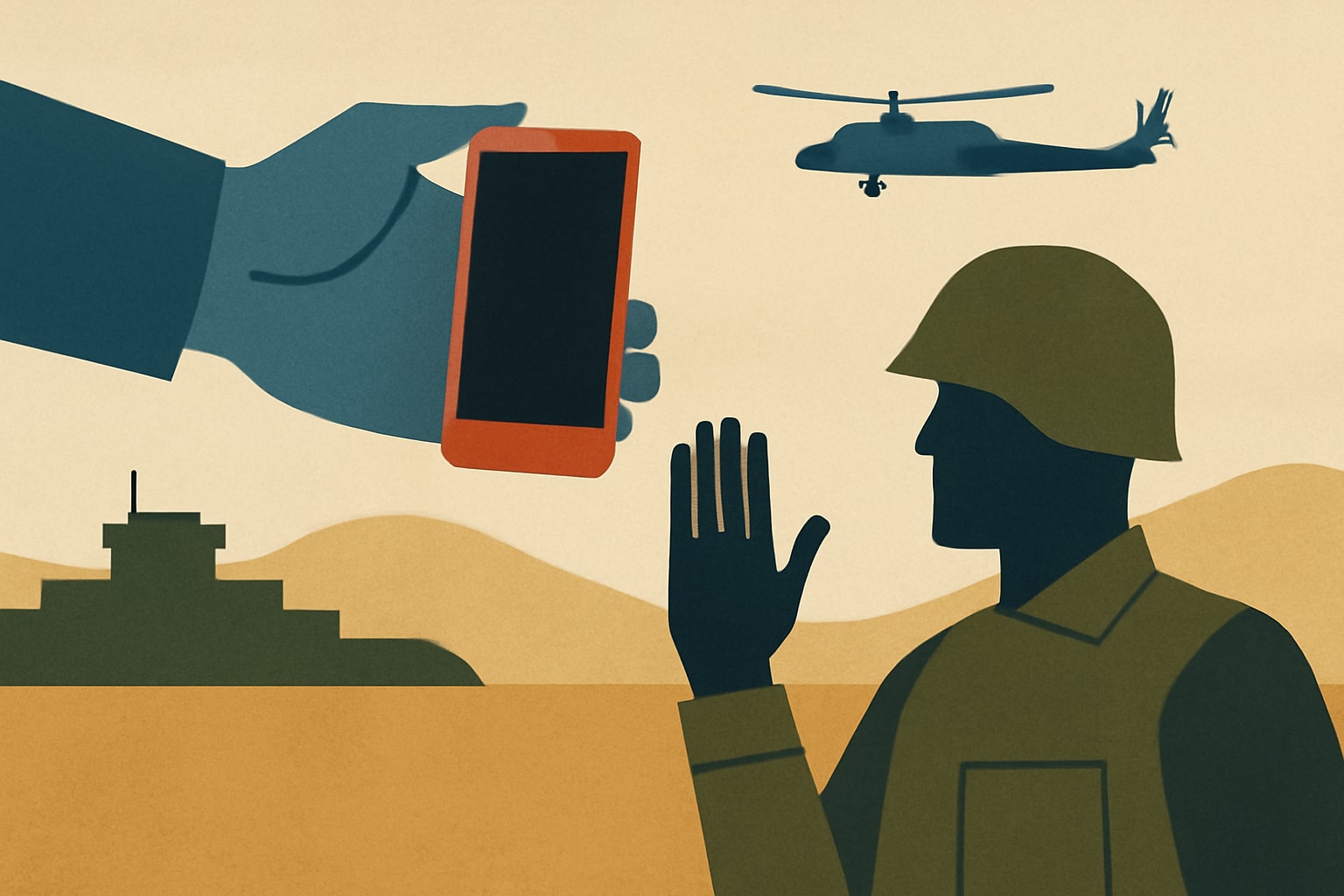
What's Happening
- •The U.S. commander in the Middle East has issued a warning regarding cellphone use.
- •Troops may be required to surrender their cell phones to prevent security risks.
- •Cellphone videos shared online could help adversaries target American bases.
Why It Matters
This policy change is significant as it directly impacts the safety and operational effectiveness of U.S. forces deployed in high-threat areas. By limiting the potential for sensitive information leaks, the military aims to protect service members and maintain a tactical advantage over adversaries.
What Changes Now
- •Troops may be required to surrender their cell phones upon deployment. This is crucial for preventing adversaries from gaining intelligence through shared media.
- •Commanders will provide clear instructions on when and how to surrender devices. Understanding these protocols will help ensure compliance and operational security.
- •The policy may also include restrictions on personal electronic devices during missions. This aims to minimize potential security breaches that could endanger personnel.
What to Watch
- •Upcoming briefings will provide more details on the cellphone surrender policy. Service members should attend these sessions to fully understand the implications.
- •Changes to enforcement procedures may vary by unit and mission type. Staying in touch with leadership will be essential for adapting to these new requirements.
- •Further updates may be issued as the military assesses the effectiveness of this measure. Monitoring official communications will help troops stay informed.
Get the Daily Briefing
Military and veteran news that actually affects you, in your inbox each morning.
More Context
- •Understanding the New Directive: The recent directive from the U.S. commander in the Middle East highlights growing concerns over operational security. It emphasizes that cellphone videos and images shared on social media platforms can inadvertently provide adversaries with critical information about troop locations and movements. As threats from groups like Iran escalate, the military is taking proactive steps to mitigate risks to personnel and assets. This measure aims to safeguard the lives of service members stationed in a volatile region.
- •Who Will Be Affected?: Active duty service members, particularly those in combat roles such as 11B infantry soldiers and 68W Army medics, will be directly impacted by this policy. Additionally, members of the Reserve Component who are deployed to the Middle East may also be required to comply with these new regulations. The directive may extend to all ranks, from E-4 to E-9, depending on the operational environment and specific mission requirements. Understanding these changes is crucial for maintaining safety and security in the field.
- •Immediate Changes for Troops: Troops in the Middle East may need to surrender their cell phones upon deployment or at designated checkpoints. This change is intended to limit the risk of sensitive information being leaked online. Commanders will provide guidance on how and when to surrender devices, ensuring that service members are aware of their responsibilities. Compliance with this directive is essential for operational security and the safety of all personnel involved.
- •What to Watch Going Forward: As the military implements this policy, service members should monitor updates from their chain of command regarding specific procedures. Decisions on the enforcement of cellphone surrender may vary by unit and mission, so staying informed is critical. Additionally, upcoming briefings will likely address the rationale behind these measures and outline expectations for troops. The situation remains fluid, and further adjustments may be made as necessary.
Frequently Asked Questions
Does this affect Guard members on Title 10 orders?
Yes, Guard members activated under Title 10 orders may also be required to surrender their cell phones while deployed.
Will I be able to use my phone while off-duty?
Usage policies for personal devices during off-duty hours will be clarified by unit commanders, so it's important to stay updated.
Veteran Take
For those who've served in combat zones, the use of technology like cell phones can be a double-edged sword. While they offer a lifeline to loved ones back home, they also pose serious risks to operational security and troop safety. Navigating these restrictions is crucial; we understand that protecting our comrades and maintaining an edge against adversaries must come first.
The Daily Briefing
Military & veteran news that actually affects you — delivered every morning.
- Pay, benefits & policy changes
- Pentagon decisions that matter
- VA updates for veterans & families
- One email. No spam. Unsubscribe anytime.
Related Stories
- Space Force Programs Face Delays Due to Budget Impasse— Air & Space Forces Magazine
- US Air Force to Modernize Tanker Fleet for Decades Ahead— Military Times
- New Army Museum Exhibit Highlights Rebuilding Efforts After 9/11— Federal News Network
- DIU Accelerates Security Clearance Process for Startups— Federal News Network